


























































































REMOVAL trial results presented at the American Diabetes Association’s 77th Scientific Sessions.
REMOVAL trial results presented at the American Diabetes Association’s 77th Scientific Sessions.

Results of the ODYSSEY study presented at the American Diabetes Association’s 77th Scientific Sessions.

Metformin may be an effective long-term strategy worthy of adding to an individual’s diabetes care plan to reduce the risk of heart disease in adults with type 1 diabetes.
Sotagliflozin effective in treating patients with type 1 diabetes.
Findings presented at ADA conference highlight effiacy of insulin glargine/lixisenatide combination.

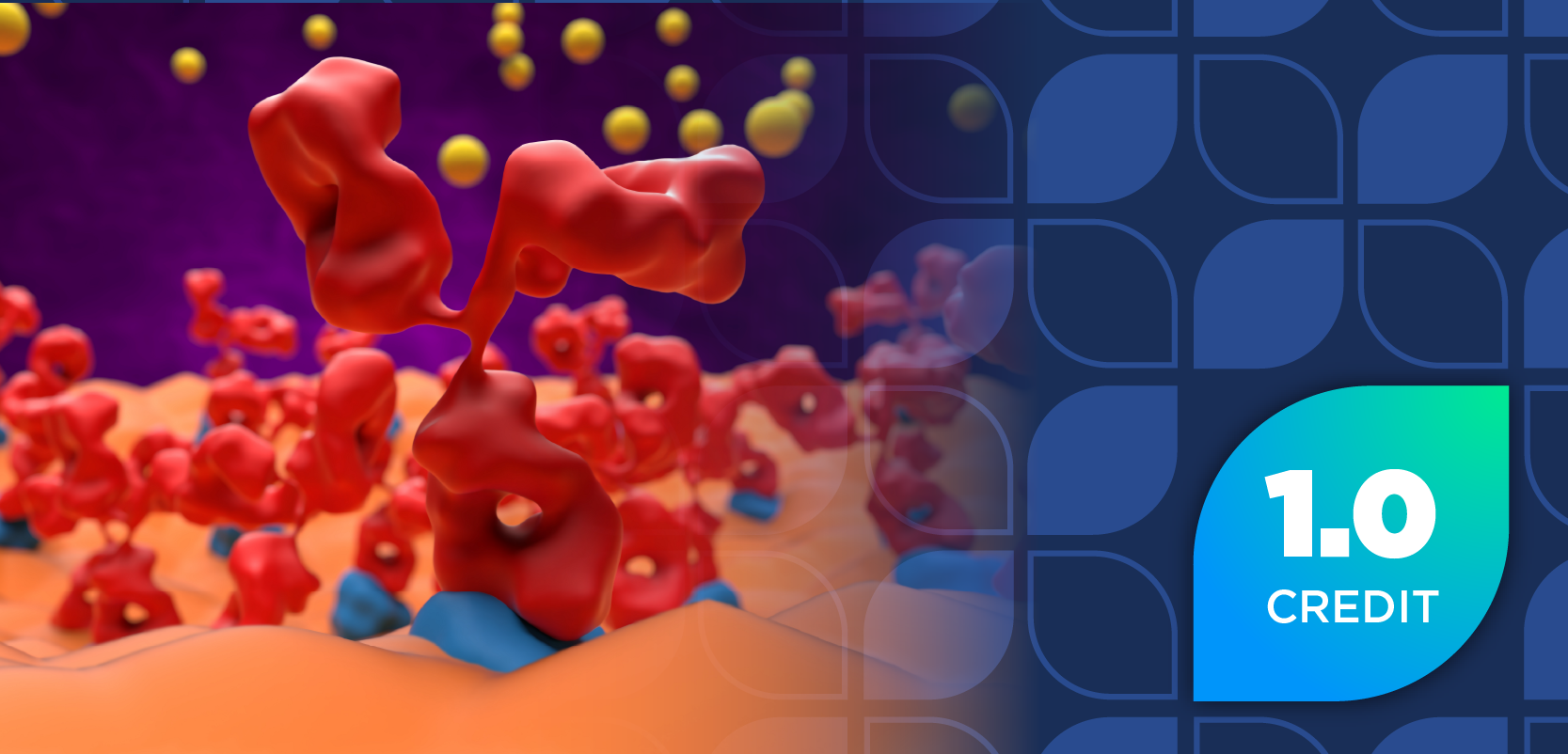
The results of the ODYSSEY-Diabetes trials focused on alirocumab, an approved monoclonal antibody that prevents PCSK-9 protein from impairing the liver’s receptors, and that antibody's effect on type 2 diabetes (T2D).

While Medicare awaits its DPP rollout, it exists already through many outlets nationally.
Insulin adherence was a hot topic this week at the ADA 2017 meeting.
Patients who switched to insulin glargine were 57% less likely to experience hypoglycemia.

Two-way text messaging system either maintained or improved A1C levels for teens with type 1 diabetes.

Given the current landscape of cellphone use among teens, it is fitting to evaluate the potential impact of text message reminders aimed at assisting teens and young adults with their diabetes self-management.
Icosapeny ethyl reduced triglyceride levels for patients with diabetes, according to a session presented at the ADA 77th Annual Scientific Sessions.

Boys who are overweight during childhood can normalize their weight as young adults to avoid diabetes.
Severe obesity in childhood leads to 12 times greater risk of developing type 2 diabetes (T2D) by age 20, according to study presented at ADA’s 77th Scientific Session.

Study presented at ADA’s 77th Scientific Sessions finds boys who are overweight during childhood can normalize their weight as young adults without an elevated diabetes risk.

Results of analysis emphasize importance of developing effective means of preventing or treating obesity in youth.
Symposium on PCSK9 inhibitors in treatment of type 1 diabetes highlighted at 77th Scientific Sessions of the ADA.
Tresiba found to offer patients with type 2 diabetes (T2D) a lower risk of severe hypoglycemia.

Research of macrovascular complications in diabetes honored at American Diabetes Association’s 77th Scientific Sessions.

Gernot Desoye, PhD, was chosen to receive the American Diabetes Association (ADA) 2017 Norbert Freinkel Award, which honors the memory of Norbert Freinkel, who was a talented researcher and writer.

Michael A. Harris, PhD, has been awarded with the American Diabetes Association (ADA) 2017 Richard R. Rubin Award, which recognizes a researcher who has made significant contributions to understanding the behavioral components of diabetes treatment.

The enzyme that affects the body's ability to process LDL cholesterol was found to be correlated with A1C levels. A symposium on the topic will be part of this weekend's 77th Scientific Sessions of the American Diabetes Association.
BioChaperone platform could increase the efficacy and safety of diabetes drugs.
Research of macrovascular complications in diabetes honored at American Diabetes Association’s 77th Scientific Sessions.

Researcher awarded for improving the understanding of diabetes during pregnancy.