

































































































Medication adherence among patients with diabetes, even those who are enrolled in and closely supervised by clinical trials, is often poor.
Medication adherence among patients with diabetes, even those who are enrolled in and closely supervised by clinical trials, is often poor.

Gene therapy able to restore capillaries around the heart in animal models of diabetes.
Statin adherence observed to reduce cardiovascular events by 23.4% in patients with diabetes.
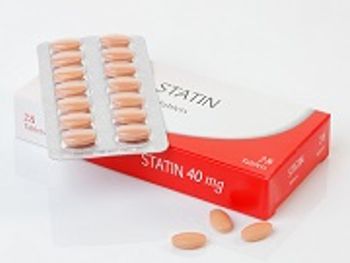
Women over age 75 taking statins had a 33% increased risk of developing diabetes.

A recent retrospective analysis showed that nearly 75% of long-term care patients with diabetes received SSI.

Increasing eosinophils led to normal perivascular adipose tissue function.

Top articles of the week from The American Journal of Pharmacy Benefits.

Heart failure and frequent hospitalization can increase risk of readmission among diabetes patients.

Patients with obesity developed heart disease 4.3 years earlier.

Epalrestat could prevent metastasis in patients with basal-like triple-negative breast cancer.

Repurposed drugs may provide new therapies for cancer.

Children born to mothers with gestational diabetes have altered fat cells.

Pharmacists play an important role in helping to deal with clinical inertia.

There are several new options coming down the pipeline for patients with type 2 diabetes.

Continuing education remains an important part of a pharmacist's life, particularly those dealing with an ever-increasing population of patients with diabetes.

There are several new treatments in the pipeline that hold promise for patients with type 2 diabetes.

Sessions focuses on new diabetes treatment options.

Two new fixed-dose basal/GLP-1 receptor-agonist agents, Soliqua 100/33 (Sanofi) and Xultophy 100/3.6 (Novo Nordisk), were approved by the FDA in November 2016.
Increasing expression of REV-ERB observed to decrease LDL cholesterol.
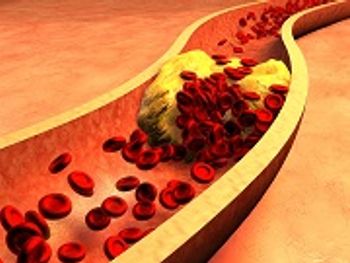
Real-world evidence suggests SGLT-2 can reduce all-cause mortality in diabetes patients.

Increased screen time observed to be associated with adiposity.

Health applications may help younger patients successfully manage type 1 diabetes.

Limiting carbohydrate intake could improve glycated hemoglobin levels.

Study links anti-tumor immunity to islet autoimmunity.

Top news of the day from across the health care landscape.