





































































The National Institutes of Health (NIH) has issued a timely statement emphasizing the importance of asthma awareness and standing with parents, families, advocates, researchers, and health care professionals.
The National Institutes of Health (NIH) has issued a timely statement emphasizing the importance of asthma awareness and standing with parents, families, advocates, researchers, and health care professionals.

A study to help determine the incidence rate of the coronavirus disease 2019 (COVID-19) in children and their family members has begun enrolling participants in the United States, according to the National Institutes of Health (NIH).
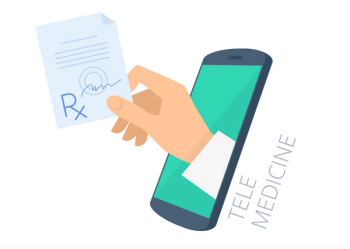
A rapid increase in telemedicine during the coronavirus disease 2019 pandemic could transform the way care is provided in the United States going forward.
Baker and her co-authors used federal employment data to find that 10% of US workers are employed in occupations in which exposure to disease or infection happens at least weekly based on employee and employer self-reports.

The findings of a recent survey from ValuePenguin found that 55% of the 1200 respondents said their mental health is suffering because of COVID-19, more specifically in millennials (63%) and parents with younger children (64%).
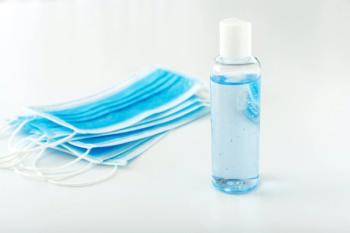
The APhA’s program “Addressing the COVID-19 Crisis: An Open Forum Webinar Series for Pharmacists” addressed the new conditions, including that hand sanitizer is compounded according to the following formula consistent with World Health Organization recommendations.
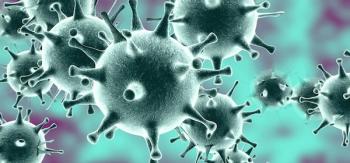
Remdesivir is not approved by the FDA. However, EUA allows for distribution and emergency use for treatment of COVID-19.
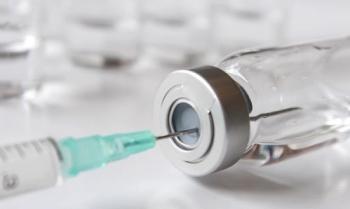
A new collaboration agreement was made between Moderna, Inc, and Lonza Ltd, to manufacture Moderna’s mRNA vaccine against the coronavirus disease 2019.
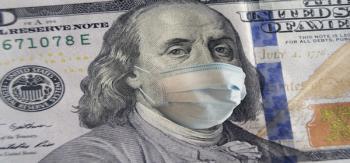
If the majority of Americans were diagnosed with COVID-19, the total cost of hospitalizations, ventilators, and other resources could cost $654 billion.

Adam Martin, founder of The Fit Pharmacist, discusses how to balance the demands of daily life and self-care during the COVID-19 pandemic.

The relief money will be distributed on the basis of operating expenses.
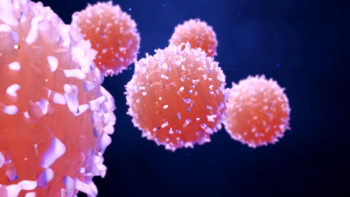
The FDA has granted Bio-Rad Laboratories Emergency Use Authorization for the company’s SARS-CoV-2 Total Ab test.

Engaging in discussions with patients at high risk of complications from COVID-19 without seeming patronizing is an important skill that many pharmacists should practice.
Government officials have said it may be possible to reduce the United States’ dependence on other countries, but that it would be extremely complicated and difficult.
Jeremy Sasser, CPhT, pharmacy content strategist for the National Healthcareer Association, discusses the role of technicians during and after COVID-19.
Several national pharmacy chains are preparing to roll out testing for COVID-19 in the coming weeks, including Health Mart, Kroger Co, and other chain pharmacies.

The Caring for Each Other initiative will include a Sesame Street video that features the Muppets thanking “Super Families.”
The COVID-19 pandemic shows that pharmacists can serve as nationally recognized providers and can contribute greatly to policy as it pertains to disease management, outbreaks, and workplace safety.
The 7 hardest-hit states all have mortality rates between 113% and 172% higher than normal, while New York City’s death rate is 325% higher than usual.
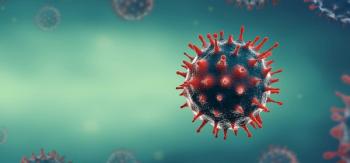
Remdesivir is not approved by the FDA nor licensed or approved anywhere in the world.
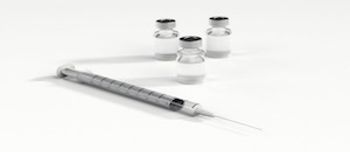
The MVA-MERS-S vaccine is based on an attenuated virus, modified vaccinia virus Ankara, which had previously been used in a smallpox eradication vaccination campaign.

There continues to be a debate in the scientific community about the role that angiotensin-converting enzyme inhibitors and angiotensin II receptor blockers play in coronavirus disease 2019 infection.

Join expert faculty members as they discuss the vital role of pharmacists during the COVID-19 pandemic.
Interferons are being investigated as a possible treatment for COVID-19, but their effects are not yet clear.

Pharmacist Moms Group founder Suzanne Soliman, PharmD, BCMAS, speaks on the power of social media in the field of pharmacy in the age of COVID-19.