














































































H2-receptor antagonists, melatonin, and thiamine are some of the adjuvant treatments being evaluated for patients with COVID-19 due to their various immune-enhancing properties and possible antiviral effects.

H2-receptor antagonists, melatonin, and thiamine are some of the adjuvant treatments being evaluated for patients with COVID-19 due to their various immune-enhancing properties and possible antiviral effects.

Pharmacies must take steps to safeguard prescription delivery and verbal communication during the COVID-19 crisis.

No FDA-approved treatments exist, but the future is promising, with many clinical trials underway.

There Is a plethora of nonprescription options to treat cough, fever, and headache.

Vitamin C and zinc are among the adjuvant treatments being evaluated for patients with COVID-19 due to their various immune-enhancing properties and possible antiviral effects.

Rich Tremonte, the executive vice president and president of Community & Specialty Pharmacy at AmerisourceBergen, discusses the critical role community pharmacies are playing in helping to expand testing and reduce infections amid re-openings in the country.

The authors posited that teriflunomide could prevent an excessive immune response while still maintaining enough defense against the virus.

According to a new study by West Health and Gallup, 88% of US adults support the federal government directly negotiating the price of a COVID-19 treatment with a drug manufacturer upon its availability due to concerns regarding raised drug prices.

Top news of the week from Pharmacy Times®.

Student pharmacists across the country have had to adjust their expectations of what P4 year will look like.

An interview with Yashar Rafi, PharmD, 2019-2020 Institute for Safe Medication Practices (ISMP) Medication Safety Management Fellow.

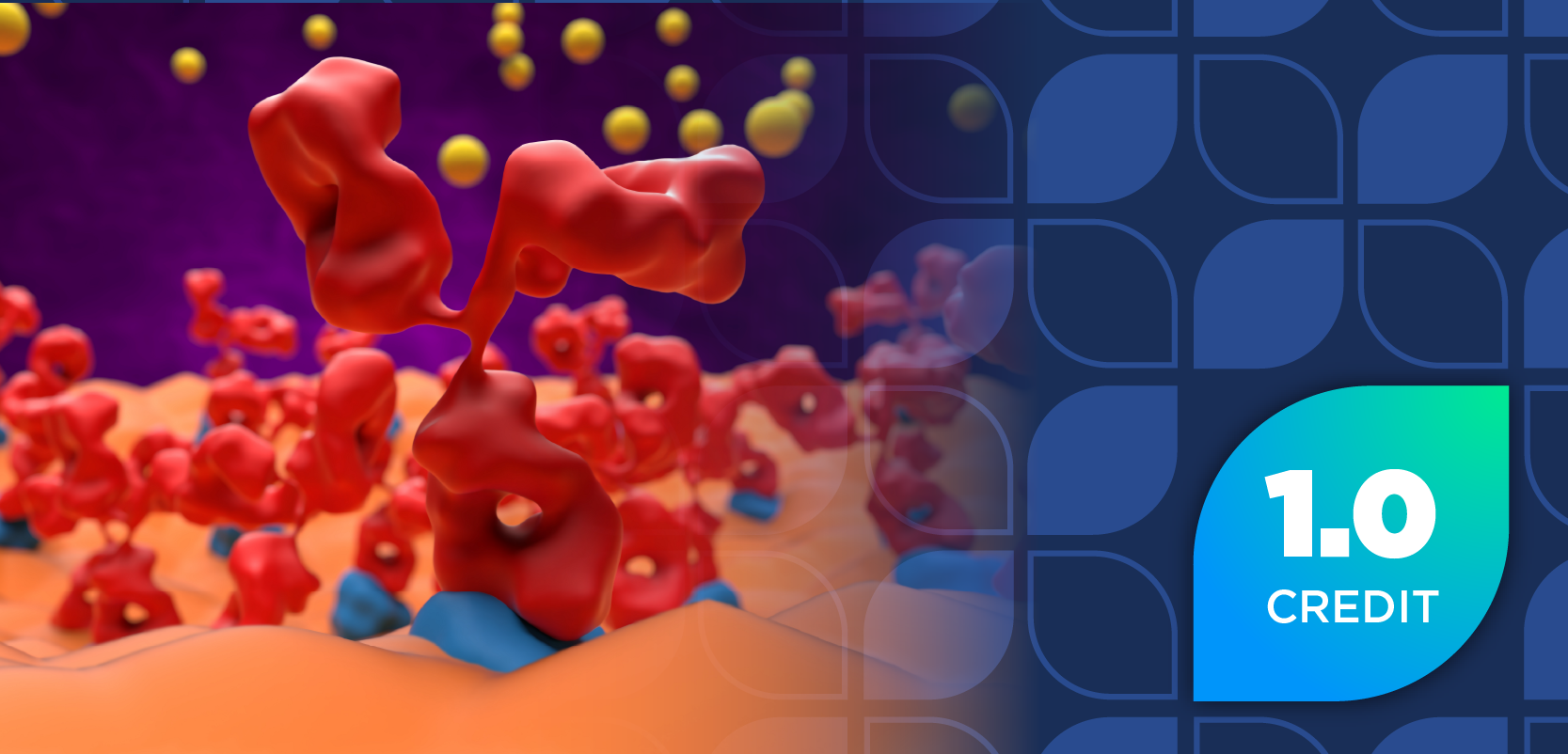
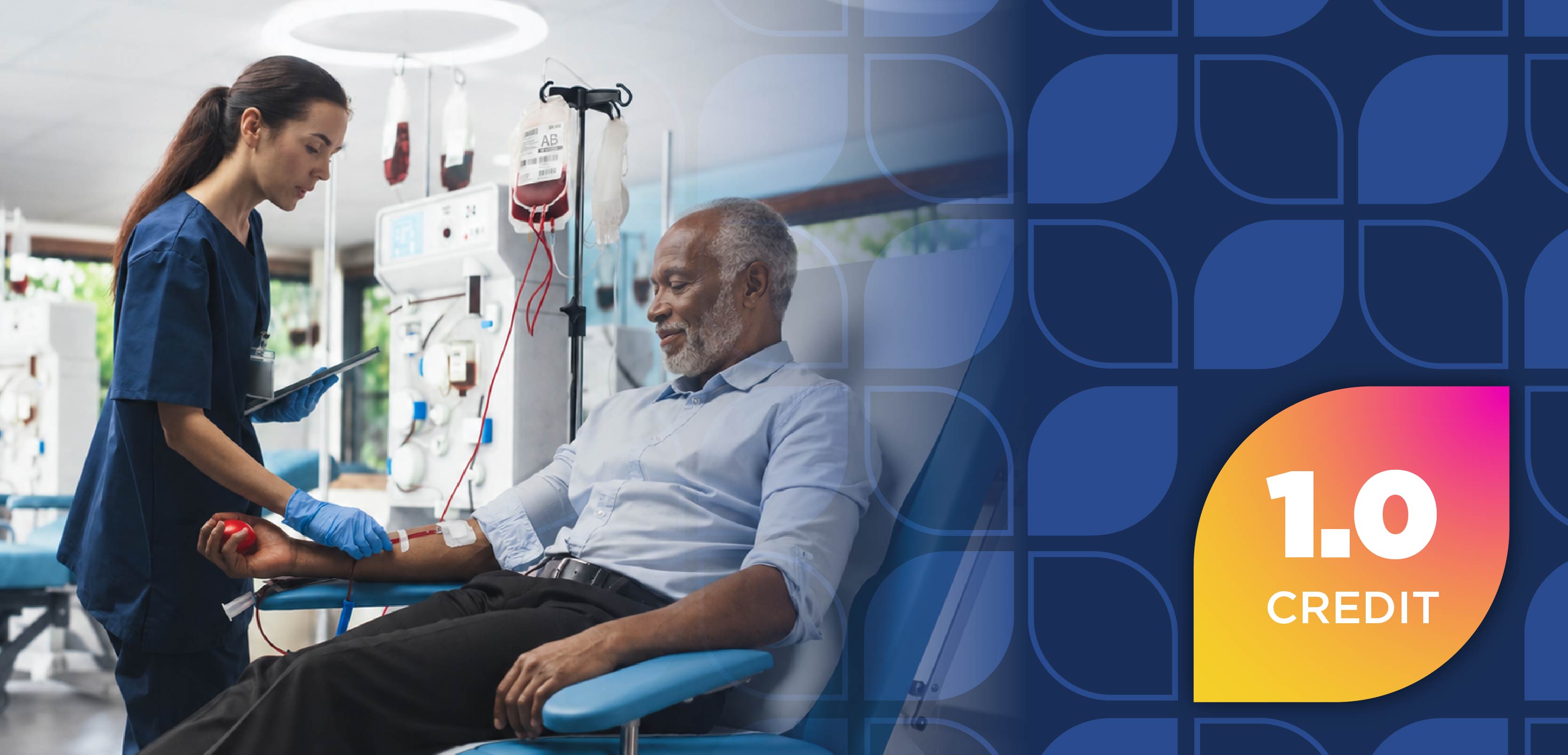
Antibodies isolatied from plasma donated from recovered COVID-19 patients fights the virus that causes COVID-19.

Giant Food has announced that all vaccinations recommended by the ACIP are once again available at its 153 in-store pharmacies across Virginia, Maryland, Delaware, and the District of Columbia.

In addition to adhering to the CDC recommendations, pharmacies should consider workflow changes intended to minimize risk to both patients and the pharmacy staff providing immunization services.

No matter how it all shakes out, pharmacists now have a level of responsibility they never had before.

The expanded delivery services aim to allow customers to continue shopping while staying safely at home during the COVID-19 pandemic.

Current treatment guidelines do not recommend the use of either drug in hospitalized patients with COVID-19 outside of clinical trials.

As the overall data on this illness continue to emerge, it will be important for health care providers to watch its impact on different populations and to serve as a source of reliable information for them.

One of the advantages of specialty pharmacy is the ability to work remotely without compromising the care that pharmacists give to their patients.

Top news of the week from Pharmacy Times®.

Researchers funded by the National Institutes of Health (NIH) have launched an effort to evaluate drugs prescribed to treat coronavirus disease 2019 (COVID-19) in infants, children, and adolescents across the United States.

A new study conducted by researchers at Bar-Ilan University and the University of Haifa has linked coronavirus disease 2019 (COVID-19)-based loneliness in older adults with elevated psychiatric symptoms of anxiety, depression, and trauma symptoms that immediately follow exposure to trauma.

Of 400 dialysis patients with the Vall d’Hebron University Hospital as reference in Barcelona, Spain, 21 contracted the coronavirus disease 2019 (COVID-19) and the mortality rate in this center was 24%, according to the opening presentation at the ERA-EDTA Congress conference.

Concerningly, a majority of respondents also reported disruptions in their regular and preventative health care services.

The COVID-19 pandemic rapidly pushed traditional face-to-face instruction within schools of pharmacy into a fully remote learning environment.