

















































































The authors noted that if regulatory agencies maintain the well-documented safety testing protocols that have been developed over the years, COVID-19 vaccines will be safe and trustworthy.
The authors noted that if regulatory agencies maintain the well-documented safety testing protocols that have been developed over the years, COVID-19 vaccines will be safe and trustworthy.
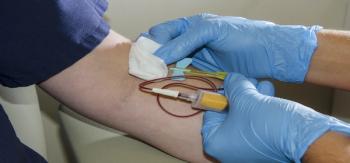
By volunteering with the American Red Cross, pharmacists can continue to help support communities who are struggling during the coronavirus disease 2019 (COVID-19) pandemic.

In the midst of a pandemic, visibility and interoperability have never been more critical when it comes to medication inventory.

This week on Pharmacy Times, there are a number of important topics that will be covered and posted throughout the week.
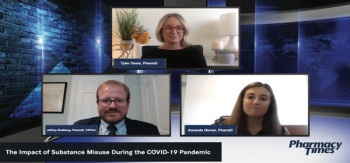
Webinar participants discuss best practices for pharmacists with patients contending with both issues.

Cultural norms are some of the most powerful forces in nature, and I did not think we had it in us as Americans to wear masks.

The companies expect to product up to 50 million doses globally before the end of 2020, and up to 1.3 billion doses by the end of 2021.

Health care professionals can continue to educate their communities about the importance of correct and consistent mask wearing, frequent handwashing, and social distancing.
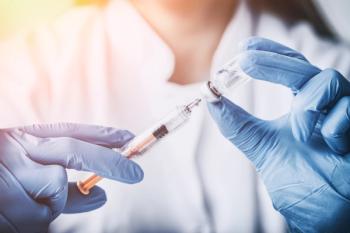
The NCPA and NACDS both applauded the HHS announcement regarding the partnerships with national and regional chain pharmacies and independent pharmacies to maximize access to COVID-19 vaccines.
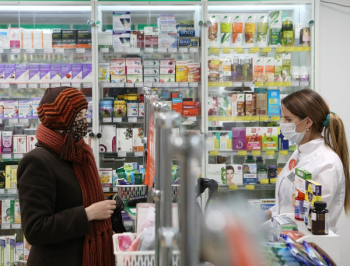
Pharmacy Times® interviewed Maryland Secretary of Commerce Kelly M. Schulz on the economic impact of the COVID-19 pandemic on small businesses, such as community pharmacies.

The findings show that vaping changes the expression of genes and production of proteins in respiratory cells, as well as altering virus-specific antibody production, according to the study.
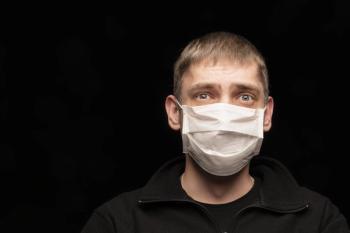
Those wearing a facemask while exercising may feel an increased sensation of dyspnea, however, there is little evidence that this medical condition is occurring.

The study was done in an effort to help quickly develop pharmaceutical treatments for COVID-19 by repurposing existing drugs known to effectively treat other viral diseases, according to the study authors.
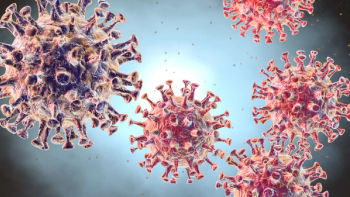
Results of a recent study confirmed that patients already taking angiotensin-converting enzyme (ACE) inhibitors and angiotensin-receptor blockers (ARBs) should not discontinue taking them due to COVID-19 infection.

Pharmacy Times spoke with Michael Haydock, senior director of content for cardiovascular, metabolic, and infectious diseases at Informa Pharma Intelligence, about investigational therapeutics for COVID-19 and what’s in the pipeline.
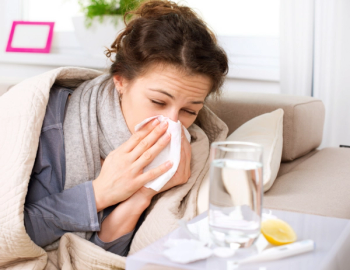
Patients may develop a vitamin C deficiency over the course of their COVID-19 illness, since vitamin C is consumed at a more rapid rate if an infection is active.
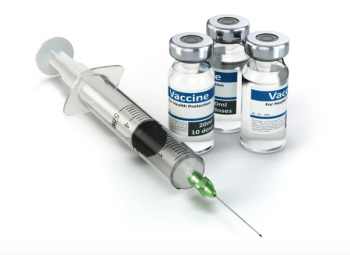
Moderna’s novel coronavirus disease 2019 vaccine candidate, mRNA-1273, showed 94.5% efficacy in preventing the virus, according to preliminary results from the ongoing phase 3 COVE trial.
In the study, more patients with allergies had chronic obstructive pulmonary disease (COPD), which is a known risk factor for severe disease with COVID-19.

The patient was prescribed prednisone for the rash when he was seen by emergency department physicians, and a follow up telehealth visit with the hospital’s allergy clinic was done when the patient’s symptoms were not relieved.
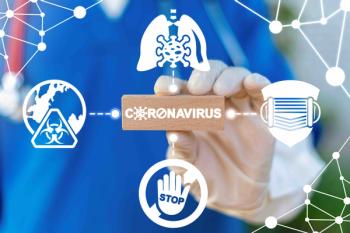
A new study found that more than half of COVID-19 patients continue to feel fatigued 10 weeks after illness onset.

Students at Midwestern University use telehealth and drive-through services to ensure that patients have access to quality care.
The study suggests that if 10% of people given the test had previously been infected, approximately 1 in 5 positive test results would be incorrect, showing false positive results.
The Pharmacy Times® Pharmacy Focus podcast provides the latest industry news and information, thought-leader insights, clinical updates, patient counseling tools, and innovative solutions for the everyday practice and business of pharmacy.
Researchers analyzed the survey responses of more than 1400 current users of e-cigarette and related products from 18 to 64 years of age, evenly divided among male and female, who took part in a national online survey in 2016.
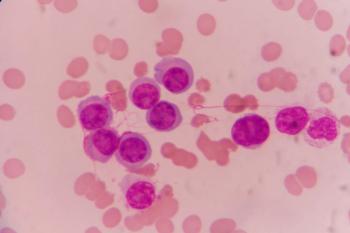
In a study published in Physics of Fluids, modeling conducted in June 2020 showed strains of COVID-19 on surfaces—such as metal, leather, and plastic—were killed in as little as 30 seconds of treatment with argon-fed, cold atmospheric plasma.