


















































































COVID-19
Latest News
Advertisement
CME Content
Advertisement

Guarding against external air pollution while reducing the risk of infection when driving presents a challenge.

Michael Ganio, PharmD, MS, BCPS, FASHP, Senior Director of Pharmacy Practice and Quality at the American Society of Health-System Pharmacists, discussed the recent strains for hospitals due to the newest wave of COVID-19.
Convalescent plasma, IVIG, and remdesivir have successfully helped immunocompromised patients recover from the virus.

The guidance noted it is preferable for immunocompromised patients to receive their third dose in a health care delivery setting rather than a pharmacy or public vaccination clinic.

COVID-19 convalescent plasma administered within the first week of symptoms did not prevent disease progression in a high-risk group of outpatients.

Study indicates that patients with asthma should continue taking their asthma medications during the COVID-19 pandemic.
Following a phase 2 study, Moderna submitted initial data to the FDA for the approval of its COVID-19 booster shot that would be administered 6 months after an individual’s second dose.
Calls to poison control centers regarding the use of ivermectin for the prevention or treatment of COVID-19 have increased 5-fold since its baseline before the COVID-19 pandemic.
The study authors note that they cannot conclude that there is a causal relationship between the COVID-19 vaccines and any of the individual incidents of Bell palsy reviewed.

AZD7442 reduced the risk of developing symptomatic COVID-19 by 77% compared to placebo.
Individuals with COVID-19 were more likely to be asymptomatic if they contracted the virus from a primary case that was also asymptomatic.
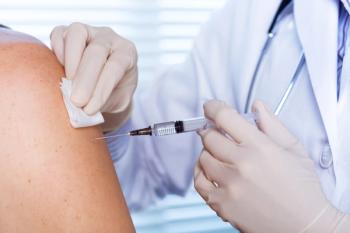
Christie Boutte, PharmD, RPh, also discussed how the FDA approval gives pharmacists more tools to encourage patients who may be hesitant about vaccination.

Further, their status was evaluated at 14, 21, and 28 days after treatment, and at each point, the numbers of hospitalization were significantly lower in the treated group.
Study: Vaccination Against COVID-19 Produces Antibodies in 90% of Patients Taking Immunosuppressants
The investigators, from Washington University School of Medicine in St. Louis, note that the responses measured were one-third as strong as those mounted by healthy individuals.
The Pharmacy Times® Pharmacy Focus podcast provides the latest industry news and information, thought-leader insights, clinical updates, patient counseling tools, and innovative solutions for the everyday practice and business of pharmacy.

Pharmacy Times spoke with Ilisa Bernstein, APhA senior vice president, Pharmacy Practice and Government Affairs, about the latest FDA approval of the Pfizer-BioNTech COVID-19 vaccine.
Patricia C. Kienle, RPh, MPA, BCSCP, FASHP, director of Accreditation and Medication Safety at Cardinal Health and member of US Pharmacopeia’s (USP) Compounding Expert Committee, and Nicole Palmer, the senior manager of USP Volunteer Operations, discuss USP’s volunteer program.
Investigators from Oregon Health and Science University (OHSU) said that it is crucial to emphasize the importance of vaccinations, as well as the maintenance of public health measures that cut off the spread of the virus.

Investigators found that 65% of patients with cancer and COVID-19 were hospitalized and 17% required admission or transfer to a higher level of care.
Pharmaceutical companies continue trial for GBP510 in conjunction with GSK’s pandemic adjuvant.
Although the average demand for tocilizumab increased by 279% during the study period, fill rates for orders by hospitals dropped from 99% to 45%.
The data represent teens most likely to benefit from the vaccination and are meant to offer reassurance to parents and clinicians, even with small study numbers.
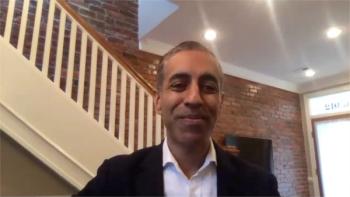
In an interview with Pharmacy Times®, Sachin Nagrani, MD, medical director at the home visit and telemedicine service Heal, discusses the Biden administration's announcement that booster shots will soon be available for the Pfizer and Moderna vaccines, and what this would mean for patients and practitioners.
Pharmacy Times spoke to ASHP’s Vice President of Government Relations Tom Kraus about the recent actions from ASHP urging the HHS to allow pharmacists to provide COVID-19 prophylaxis treatment.
Advertisement
Advertisement
Trending on Pharmacy Times
1
Bridging the Gap: Pharmacist Experiences Obtaining DEA Licenses
2
Eight Names, One Drug: Why Adalimumab Biosimilars Are Creating Real Confusion at the Counter
3
Etentamig Reduces Risk of Progression or Death by 60% in Relapsed/Refractory Multiple Myeloma
4
Expert Q&A: Pharmacists Address Pneumococcal Vaccine Hesitancy and Screening Complexity in Transitions of Care
5