





































































































Researchers assess the monetary value for improved health status.
Researchers assess the monetary value for improved health status.

RANK-inhibitor denosumab was able to stop cell growth and reduce cancer development in breast cancer samples with mutated-BRCA1.

Efficacy of aromatase inhibitors reduced among breast cancer patients who smoke.

Reading mammograms for longer periods of time did not reduce cancer detection, but increased overall performance.
Promising new technique revealed for stopping tumor cell migration.

Several factors can affect whether women diagnosed with breast cancer begin chemotherapy.
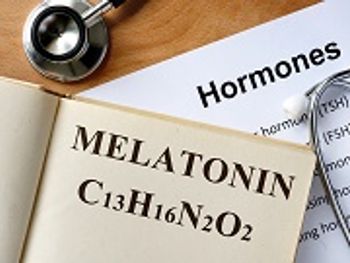
Nanostructured lipid carriers containing melatonin adjuvant to tamoxifen killed more breast cancer cells than tamoxifen alone.

A combination of doxorubicin, all-trans retinoic acid, and entinostat shrank triple-negative breast cancer tumors by 90%.

Discovery may determine the best therapeutic option for breast cancer patients.

Top news of the day from across the health care landscape.
A large proportion of cancer patients carry genetic variants of unknown significance.

Inhibiting TGF-beta Receptor Type 1 may have a negative impact on breast cancer therapy.

Providers need to better inform patients about the risks of heart disease compared with breast cancer.
Patients who underwent surgery and then standard treatment lived 9 months longer than patients who just had the standard treatment.

Recent advances and updates in oncology and cancer drug development.

Patients who underwent surgery and then standard treatment lived 9 months longer than patients who just had the standard treatment.

Providers need to better inform patients about the risks of obesity and heart disease compared with breast cancer.

Breast cancer treatments that are similar in effectiveness are priced very differently, researchers discovered.
Combination imaging found to reduce recall rate in patients with breast cancer.

Informed choices of therapy regimens could save up to $1 billion annually in cancer drug spending.
Metformin found to improve survival in breast cancer and shows promise in endometrial hyperplasia.

Top news of the day from across the health care landscape.

Risk of developing breast cancer in women with a BRCA1 mutation may be reduced.

Women diagnosed with breast cancer who carry a BRCA mutation have up to a 50% lifetime risk of developing a second breast cancer.
Postmenopausal women with early breast cancer showed a reduction in disease recurrence after 10 years of aromatase inhibitor therapy with letrozole.