

































































































Capsaicin could activate a receptor that prevents metastasis.
Capsaicin could activate a receptor that prevents metastasis.

Identified cancer driver may be key to increasing survival in metaplastic breast cancer patients.
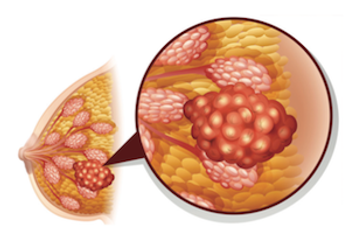
LJ is a 75-year-old patient with advanced breast cancer. She also has a medical history of hypertension and dementia. LJ decided to stop chemotherapy 2 months ago due to severe nausea, vomiting, and diarrhea.

The novel tool will be integrated into the National Cancer Institute’s current risk assessment tool.

Higher intake of grilled, barbecued, and smoked meats increases mortality risk among cancer survivors.

MYL-14010 is designed to treat certain types of human epidermal growth factor receptor 2 (HER2) positive breast cancers.

Top news of the day from across the healthcare landscape.

Combination approach better targets breast cancer tumors with PIK3CA gene mutations.
Combination therapy may help combat treatment resistance in cancer patients.

ASN003 is a drug that targets cancers driven by BRAF and PI3K.

Certain hypertension drugs block breast and pancreatic cancer invasion.

Top oncology articles of 2016 on Specialty Pharmacy Times.

New cancer-spreading protein discovered in groundbreaking study.

Breast cancer patients with many social ties have significantly lower rates of death and recurrence.

Patients share their personal stories with Specialty Pharmacy Times.

Metastasis affects as many as 5% of cancer patients around the world.
Cyclin-dependent kinase inhibitor reduces Ki67 expression and shows promise in breast cancer treatment.

Ceritinib (Zykadia) could potentially be used as a first-line treatment in patients with anaplastic lymphoma kinase-positive advanced non-small cell lung cancer.
Celgene will continue trials with Abraxane plus immunotherapy drugs.

Celgene will continue trials with Abraxane plus immunotherapy drugs.

Alcohol could cause 7100 annual cancer deaths by 2035.

Research suggests cancer cells may evade treatment by eating adult stem cells.
TIP60 levels could serve as a prognostic marker of breast cancer progression.
The new method makes breast imaging less risky, and can lessen false-positive readings.

About 1 in 6 women diagnosed with breast cancer have a symptom other than a lump.