



































































































Inferiority ruled for biosimilar of trastuzumab in the treatment of HER2-positive early breast cancer.
Inferiority ruled for biosimilar of trastuzumab in the treatment of HER2-positive early breast cancer.

Inferiority ruled for biosimilar of trastuzumab in the treatment of HER2-positive early breast cancer.

CBX8 protein may lead to new treatments for breast cancer.

A new study’s findings contradict previous assumptions about IVF and breast cancer risk.

Top news of the day from across the health care landscape.

Mouse models of paclitaxel lower than clinical doses showed an increase of liver metastases.
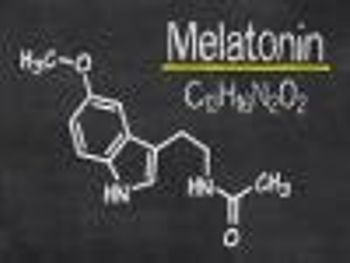
Nanostructured lipid carriers filled with melatonin may boost chemotherapy efficacy.

Approximately 38% of women who had initial echocardiograms received a follow-up scan.
Proteogenomic analysis expands knowledge into breast cancer therapy.

Hops could lower risk of breast cancer in post-menopausal women.

Female mice with obese fathers have delayed development in breast tissue and higher rates of breast cancer.

Both patients with aggressive and non-aggressive ductal carcinoma in situ receive the same treatment.

UM-164 blocks the c-Src kinase that plays a role in the growth and spread of breast cancer.

After breast cancer surgery, patients who received non-opiate analgesia used less painkilling medication than patients who received opiate analgesia.

Genetic changes to BRCA1 predicts higher risk of breast and ovarian cancers.
Treating modifiable risk factors could enhance breast cancer prevention.

Top news of the day from across the healthcare landscape.

Top news of the day from across the health care landscape.

Breast cancer cells found to hide in bone marrow before resurging.
Researchers were able to better predict the risk of developing breast cancer.

The protein GlyRS helps modify proteins that cause cancer growth.
Doxorubicin, all-trans retinoic acid, and entinostat significantly reduced triple-negative breast cancer tumors in mice.

Postmenopausal patients with invasive ductal carcinomas had high levels of saturated fats.

Researchers find indicators of poor chemotherapy response.

Women older than age 65 face higher risk for several comorbidities from breast cancer treatment.