





Alzheimer Disease
Latest News
Advertisement
Latest Videos








Shorts

1:08
Saro's Scripts: Donanemab
a month ago
by
Saro Arakelians, PharmD
Podcasts

CME Content






















































































































Advertisement
More News

ALZ-801, an oral anti–amyloid oligomer therapy, shows cognitive, functional, and brain-volume benefits in the mild cognitive impairment (MCI) stage of Alzheimer disease, with supportive biomarkers and no edema risk.

The most pronounced association was observed when individuals consumed 2 to 3 cups of caffeinated coffee per day.

Study results suggest young participants who survived cancer have difficulty in areas such as memory, attention, and ability to process information compared with those who did not have cancer.

The authors suggested that future research investigate emerging blood-based biomarkers and explore temporal associations between sleep duration and Alzheimer disease biomarker changes.

Recent research reveals no link between menopause hormone therapy and dementia risk, urging further studies to clarify its effects on cognitive health.

Explore the potential of GLP-1 agonists in Alzheimer's treatment, their current limitations, and future research directions in neurology.

A long-term study reveals that high-fat cheese consumption may lower dementia risk, challenging traditional views on dietary fat and brain health.

Research uncovers the crucial role of lipids and microglia in Alzheimer disease, revealing new therapeutic targets for treatment and brain health.
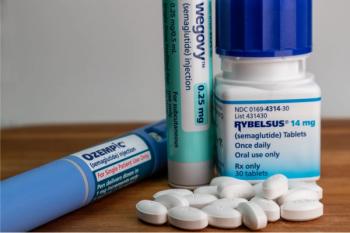
The 1-year extension period in trials will be discontinued based on the efficacy results observed in the overall study population, said Novo Nordisk.

Earlier Menopause, Reduced Cardiac Function Potentially Linked With Negative Impacts on Brain Health
Research highlights the link between earlier menopause, cardiac function, and brain health, emphasizing the need for sex-specific dementia risk strategies.

Compared with late postmenopausal women, menopausal hormone therapy (MHT) may influence certain Alzheimer disease-related biomarkers in early postmenopausal women.

BMS-986446 shows promise as a fast-tracked therapy for early Alzheimer disease, targeting tau protein to alter disease progression.

Anti-Amyloid Antibody Treatments, Subcutaneous Formulations, and Improved Symptom Relief Are Offering New Hope for Patients

The subcutaneous injection for maintenance treatment enhances accessibility and reduces infusion time for patients.

The new data highlight how dietary changes could fuel Alzheimer- and dementia-related mechanisms.
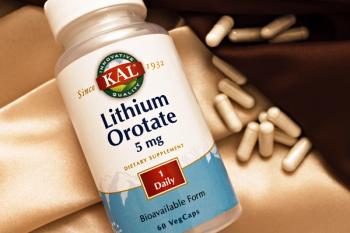
Harvard researchers reveal lithium deficiency as a potential early driver of Alzheimer disease, suggesting new treatment avenues for patients.

Intranasal insulin shows promise in targeting memory regions of the brain, offering new hope for Alzheimer disease treatment in older adults.

Donanemab-azbt shows sustained benefits in slowing cognitive decline in Alzheimer disease, emphasizing the value of early intervention and treatment.

Donanemab-Azbt Receives FDA Label Update With New Dosing for Alzheimer Disease
Published: | Updated:
FDA approves a new dosing schedule for donanemab, enhancing safety and efficacy in treating early symptomatic Alzheimer disease.

Recent research reveals that RSV and shingles vaccines significantly lower dementia risk, highlighting the potential benefits of AS01 adjuvants in vaccination.
Amyvid is used for brain imaging to estimate amyloid plaque density in patients with cognitive impairment undergoing evaluation for Alzheimer disease.

A recent meta-analysis reveals low persistence rates with anti-dementia drugs, highlighting factors influencing adherence and the need for standardized reporting.

The authors wrote that a life course approach to the treatment and prevention of depression may help reduce individual burdens of dementia.

The small molecule effectively blocks cell death effector proteins, potentially rescuing cells from degeneration.
Advertisement
Advertisement
Trending on Pharmacy Times
1
The Peptide Reclassification Everyone's Talking About: A Pharmacist's Take on What RFK Jr's Announcement Actually Means
2
ADA 2026: Earlier GLP-1 and SGLT-2 Use Recommended From Diabetes Diagnosis, Expert Says
3
Brain Inflammation May Not Drive Persistent Long COVID Symptoms, New Imaging Study Finds
4
ADA 2026: Semaglutide Add-On Reduces Glycemic Burden, Cardiometabolic Risk in Older Adults With T2D
5