

Specialty pharmacists give physicians and specialists the opportunity to focus less on non-medical issues and more on the patient and efficiently finding the most optimal therapy.
Specialty pharmacists give physicians and specialists the opportunity to focus less on non-medical issues and more on the patient and efficiently finding the most optimal therapy.

Gaby Gabriel, MD, program director, interventional radiology residency and assistant program director, diagnostic radiology residency, University of Kentucky, discusses the results of combining liver-directed therapy with systemic therapy when treating patients with gastrointestinal neuroendocrine tumors.
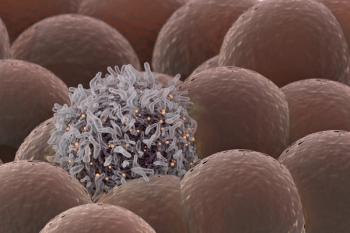
Gaby Gabriel, MD, program director, interventional radiology residency and assistant program director, diagnostic radiology residency, University of Kentucky, discussed how systemic therapy differs from liver-directed therapy.

Gaby Gabriel, MD, program director, interventional radiology residency and assistant program director, diagnostic radiology residency, University of Kentucky, discussed how liver-directed therapy is approached in the treatment of liver metastases in patients with gastrointestinal neuroendocrine tumors.

Pharmacies and shippers can be active participants from the loading dock to the front door by using available data and analytics to make better business decisions in successfully shipping their next patient medication.

Jameshia Below, PharmD, an assistant professor of pharmacy practice at the University of Louisiana Monroe College of Pharmacy, explains how palliative care can support the cancer treatment process, and how specialty pharmacies can support this type of care.

In this first episode of the new series, Executive Director of the Chacruna Institute Bia Labate, PhD, and Kelan Thomas, PharmD, MS, associate professor of clinical sciences at the Touro University California College of Pharmacy, discussed the global psychedelic medicine market.

NETs can occur almost anywhere in the body, although they are most common in the gastrointestinal tract and lungs.

The FDA also granted Priority Review designation for the toripalimab BLA and set a Prescription Drug User Fee Act action date for April 2022; however, the FDA is not currently planning to hold an advisory committee meeting to discuss the application.

Mei Ka Fong, PharmD, BCOP, said there are multiple treatment approaches for patients with NETs.

The study also collected patient-reported outcomes in routine clinical practice to understand the impact of treatment on health-related quality of life.

Prurigo nodularis has one of the highest quality of life impacts of any inflammatory skin disease with intense, chronic itch.

Rare disease specialty pharmacies offer customizable pharmacy and patient services to make it easier for people living with rare, complex, and often isolating conditions to access the therapy, care, and resources they need.

Asciminib (Scemblix) approved for patients with Philadelphia chromosome–positive chronic myeloid leukemia (CML) in chronic phase who were previously administered 2 or more tyrosine kinase inhibitors.

This developing technology offers opportunities for decentralized record-keeping and tracking of transactions, as well as increased overall efficiency and the removal of unnecessary intermediaries.

Mitigating the likelihood of pharmacy staff burnout requires a multifactorial approach.

Nathan Bryson, PhD, chief scientific officer of Field Trip Health, said the company's new psychedelic compound, FT-104, could have potential uses in the treatment of postpartum depression.

According to the investigators, these new data support ofatumumab as a first-choice treatment for adult patients with RMS, including those who are newly diagnosed.

The phase 2 Elara trial for the follicular lymphoma treatment met its primary endpoints, Novartis says.

ARTISTRY-7 will analyze the anti-tumor activity and safety of the combination compared with chemotherapy for individuals with platinum-resistant ovarian cancer.

Gyang and Hansen discussed any new or existing treatment options for patients, the role of the pharmacist changing, and what they wish others knew about MS.
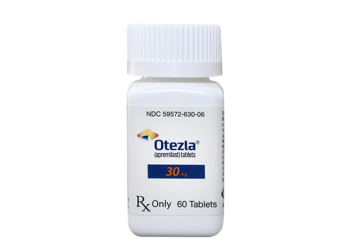
Apremilast is indicated for the treatment of psoriatic arthritis, plaque psoriasis, and oral ulcers associated with Behçet disease.

During American Pharmacists Month this October, it’s vital for more pharmacists and health care providers to think about how they touch each patient’s life.
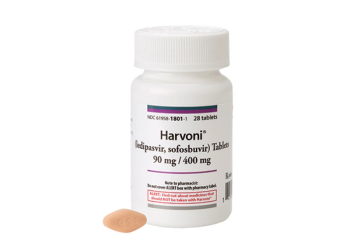
Harvoni is a fixed-dose combination indicated for the treatment of chronic hepatitis C virus in adults and pediatric patients 3 years of age and older.

Adam Olszewski, MD, associate professor of medicine in Alpert Medical School at Brown University, discusses his SOHO 2021 conference presentation on prognostication and treatment of Burkitt lymphoma in the modern era.

The drug previously received approval to treat mucosal melanoma but could be used in combination with pembrolizumab.

Pharmacy Times spoke with neurologist Dr. Tirisham Gyang and pharmacist Dr. Margaret Hansen about multiple sclerosis, including diagnosis, treatment options, and the role of the pharmacist in patient care.
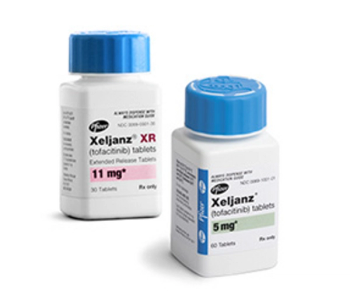
Xeljanz can be used for rheumatoid arthritis, psoriatic arthritis, ulcerative colitis, and polyarticular course juvenile idiopathic arthritis.
Jameshia Below, PharmD, an assistant professor of pharmacy practice at the University of Louisiana Monroe College of Pharmacy, explains the initial management process for oncologic emergencies, the treatments currently available, and treatments coming in the drug pipeline.

While Bitcoin and Ethereum garner most of the attention in the cryptocurrency space, there are a number of opportunities present for implementing blockchain into global health technology, with perhaps one of the most intuitive being its potential as a platform for health records.