
The system is an outpatient procedure that resurfaces the mucosal lining, making it easier for the body to maintain healthy metabolism and blood glucose levels.
The system is an outpatient procedure that resurfaces the mucosal lining, making it easier for the body to maintain healthy metabolism and blood glucose levels.
The presence of glutamic acid decarboxylase antibodies in intravenous immunoglobulin can lead to a misdiagnosis of type 1 diabetes mellitus if a false-positive result is garnered.

By functioning as an antibody replacement therapy, IVIG can be used to manage a wide range of inflammatory and autoimmune disorders.

The approval marks the first oral immunotherapy treatment to mitigate allergic reactions, including anaphylaxis.
Paliperidone palmitate (Erzofi; Luye Pharma Group) is approved as a monotherapy for schizophrenia and as an adjunct for schizoaffective disorder.

The similarities were shown for both the US formulation and the EU formulation.

A lack of widespread hepatitis B screenings compound with the issue of inaccurate test results, which can complicate treatment with intravenous immunoglobulin.

Providing immunization coadministration and assisting with insurance coverage are strategies to improve access.

Benzgalantamine (Zunveyl; Alpha Cognition) is a cholinesterase inhibitor indicated for the treatment of mild-to-moderate dementia in adults.

Study finds traces of “epigenetic scars” on the immune cells of patients who recovered from chronic hepatitis C infection.

The new approach could optimize precision medicine and lead to better outcomes across a variety of disease states.

The FDA’s designation builds off positive results in a phase 1b/2a clinical trial, showing that the vaccine can effectively target the Tau protein.

The investigational drug achieved non-inferiority compared to routine Factor VIII.

Patients without insurance may not be able to afford the biosimilar adalimumab-adbm, even if it is available at a more affordable price than its reference product.

Adherence and efficacy were both higher in patients with HIV who took twice-yearly lenacapavir compared to those on oral preexposure prophylaxis medication.
In April 2017, the drug was approved to treat the slow loss of the ability to walk for symptomatic patients aged 3 and older who had Batten disease.

Studies show an increased prevalence of autism spectrum disorder in children of mothers; mouse models have shown links between maternal asthma and altered behavior and brain function.

It is essential for clinicians to properly diagnose patients with suspected AVWS and provide them proper treatment, which could be intravenous immunoglobulin.

The authors note they will continue to investigate treatments for patients with lupus as well as safe and effective methods of delivering these molecules to patients.

More cost effectiveness data is crucial in advocating for better insurance coverage in the United States.

Currently, limited data show the effect of adverse drug events in the outpatient setting.

Investigators compared the criteria for eligibility in the VICTORIA trial with guideline and label criterion, finding a wider than expected population with heart failure were eligible for vericiguat therapy.

Allison Burns discusses how pharmacists should prepare and educate themselves regarding OTC naloxone, and the steps that can be taken in stores and pharmacies to ensure OTC naloxone is visible and available.

On a scale from 1 to 10, respondents rated their feelings of burnout an average of 7.25 in the second annual Pharmacy Times Burnout and Mental Health Survey.

Switching from aflibercept (Eylea; Regeneron Pharmaceuticals) to biosimilar ranibizumab (Lucentis; Genentech) for neovascular age-related macular degeneration could be more cost effective for patients.

After failure with methotrexate, treatment with leflunomide is typically recommended, but treatment with biosimilars could have greater quality-adjusted life years.
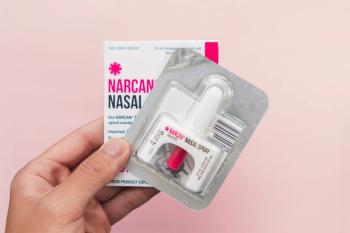
Allison Burns, president and CEO of EMO Health, discusses the price point and stigma surrounding OTC naloxone in an interview with Pharmacy Times.

An analysis of interaction checkers and product summaries revealed large differences in the consistency and reliability of providing accurate information on potential drug-drug interactions.
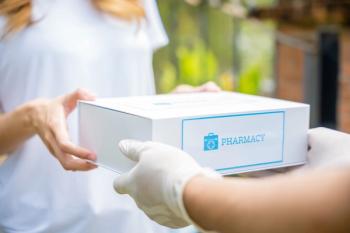
By embracing innovation in solid state cooling and proactively adapting to regulatory changes, pharmacies can improve patient access and compliance to medications, while taking advantage of additional revenue streams and proactively managing down costs.
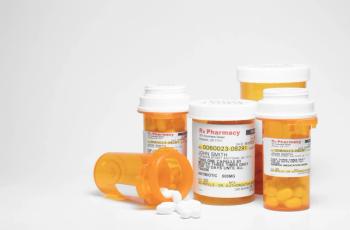
In a new report, the FTC says pharmacy benefit managers act as middlemen in the pharmaceutical industry, leading to the squeezing of independent pharmacies and increases in prices for patients.