

21-gene profiling is also preferred for patients with 1 to 3 pathologically positive lymph nodes, according to a presentation at the Hematology/Oncology Pharmacy Association conference.
21-gene profiling is also preferred for patients with 1 to 3 pathologically positive lymph nodes, according to a presentation at the Hematology/Oncology Pharmacy Association conference.

Pharmacist interactions provide significant benefits for patients with non-small cell lung cancer treated with oral oncolytics.

Christy S. Harris, PharmD, BCOP, FHOPA, clinical pharmacy specialist at Dana-Farber Cancer Institute, discusses guidelines for common therapies and appropriate monitoring recommendations for selected therapies used in the treatment of adult sarcomas.

Heidi D. Finnes, PharmD, BCOP, FHOPA, president-elect of Hematology/Oncology Pharmacy Association (HOPA), discusses ways to address burnout in the hematology/oncology space.
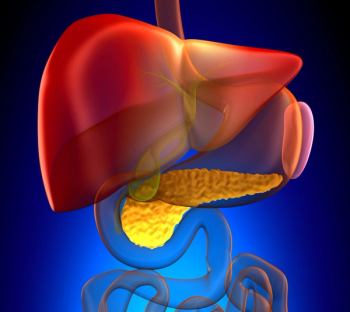
FDA to evaluate New Drug Application for futibatinib in the treatment of patients with previously treated locally advanced or metastatic cholangiocarcinoma.

The Roche subsidiary reports that it will continue to evaluate tiragolumab plus Tecentriq and chemotherapy in non-small cell lung cancer and other cancer types through more phase 3 trials.

Heidi D. Finnes, PharmD, BCOP, FHOPA, president-elect of Hematology/Oncology Pharmacy Association (HOPA), provides details of the upcoming HOPA 2022 conference.

ImmunoGen, Inc submits Biologics License Application under the accelerated approval pathway for mirvetuximab soravtansine monotherapy for patients with FRα-high platinum-resistant ovarian cancer previously treated with 1 to 3 prior systemic treatments.

Veyonda, a novel proprietary formulation of idronoxil, is a first-in-class, dual-acting oncotoxic and immuno-oncology molecule.

New validated testing method for multiple sclerosis measures kappa immunoglobulin free light chains in cerebrospinal fluid.

Elizabeth Spurlock, MA, PHR, director of HR Business Partner at Texas Oncology, discusses how burnout among physicians, nurses, and hospital administrators has impacted the role of the pharmacist in patient care.
Heidi D. Finnes, PharmD, BCOP, FHOPA, president-elect of Hematology/Oncology Pharmacy Association (HOPA), provides details of the upcoming HOPA 2022 conference.

Abemaciclib (Verzenio; Lilly) is the first addition to adjuvant endocrine therapy approved by the FDA in two decades.
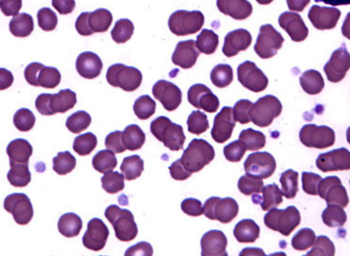
Acalabrutinib (Calquence; AstraZeneca) provides efficacy while maintaining favorable tolerability for patients with chronic lymphocytic leukemia.

FDA seeks to reduce diversion of pharmaceutical products via sales by unlicensed distributers and tighten up the supply chain by vetting trading partners.
Larry Buie, PharmD, BCOP, FASHP, outgoing president of the Hematology/Oncology Pharmacy Association (HOPA), shares some details of HOPA’s upcoming 2022 annual conference in Boston and provides an overview of his term as HOPA’s president.
Osimertinib (Tagrisso; AstraZeneca) is FDA approved for 3 unique cancer indications.
Pluvicto is indicated for the treatment of adults with prostate-specific membrane antigen–positive metastatic castration-resistant prostate cancer who were previously administered other anticancer therapies.
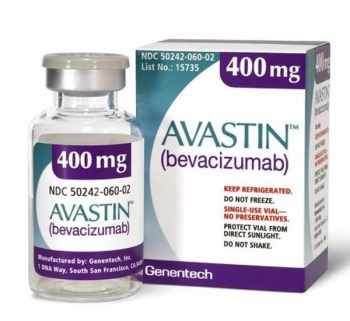
Bevacizumab (Avastin) is a vascular endothelial growth factor inhibitor indicated several cancer types.
Analysis of the trial show that intensifying the chemotherapy regimen allowed for elimination of radiation in 90% of pediatric patients with T-cell acute lymphoblastic leukemia.
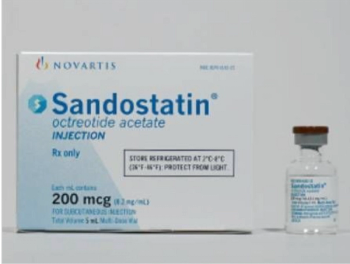
Sandostatin treats severe diarrhea and flushing associated with metastatic carcinoid tumors, as well as treatment of acromegaly.
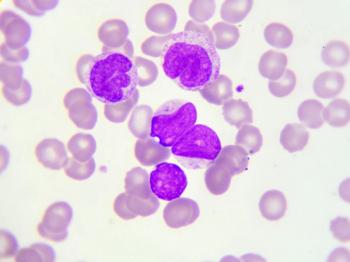
Elaine Jaffe, MD, National Institutes of Health (NIH) distinguished investigator at the National Cancer Institute at NIH, discusses how the understanding of malignant lymphomas’ pathobiology and relationship with the immune system evolved during her clinical and investigational research into the subject.

Elaine Jaffe, MD, National Institutes of Health (NIH) distinguished investigator at the National Cancer Institute at NIH, discusses how the field of hematopathology has changed over the last decade.
Marina Frimer, MD, FACOG, FACS, gynecologic oncologist at the Northwell Health Cancer Institute, discusses next steps following the results of the phase 2 trial assessing niraparib on the treatment of patients with stage 3, stage 4, or platinum-sensitive recurrent uterine serous carcinoma.

Pembrolizumab (Keytruda) approved as a single agent for the treatment of patients with microsatellite instability–high or mismatch repair deficient advanced endometrial carcinoma.

Niraparib shows promise in patients with newly diagnosed advanced epithelial ovarian, fallopian tube, or primary peritoneal cancer.

Marina Frimer, MD, FACOG, FACS, gynecologic oncologist at the Northwell Health Cancer Institute, discusses the implications of the phase 2 trial assessing niraparib on the treatment of patients with stage III, stage IV, or platinum-sensitive recurrent uterine serous carcinoma.
Shannon Hough, director of ClinReview and Clinical Content for McKesson, discusses the advantages of including pharmacy staff as part of the care team when payer or drug availability challenges arise.

Elaine Jaffe, MD, National Institutes of Health (NIH) distinguished investigator at the National Cancer Institute at NIH, discusses her American Society for Investigative Pathology Gold-Headed Cane Award lecture at the Experimental Biology 2022 conference on the classification of lymphoma in the modern era.

As the profession moves more toward the internet, it is helpful to know how to best use the various platforms.