

OTC saliva substitutes and avoiding alcohol can help alleviate dry mouth symptoms.
OTC saliva substitutes and avoiding alcohol can help alleviate dry mouth symptoms.

With the Advisory Committee on Immunization Practices recommending that adults receive thimerosal-free influenza vaccines, the preservative that was phased out of most childhood vaccines in 2001 has reentered the public eye.


Some patients incorrectly believe that biosimilars compromise safety or efficacy.
A groundbreaking trial shows zimislecel significantly reduces insulin dependence in patients with type 1 diabetes, offering hope for a functional cure.
The Advisory Committee on Immunization Practices (ACIP) voted 5-1, with 1 voter abstaining, to recommend that adults receive seasonal influenza vaccines that do not contain the preservative thimerosal.

Explore the latest FDA-approved novel drugs transforming treatment options for various conditions, enhancing patient care and outcomes in community and specialty pharmacy.


A recent meta-analysis reveals low persistence rates with anti-dementia drugs, highlighting factors influencing adherence and the need for standardized reporting.

PharmStart will address financial barriers and time limitations.

Gowri Reddy Rocco, MD, MS, reveals that repairing gut health through targeted nutrition is essential for combating long COVID and preventing autoimmune complications.

Health care professionals are encouraged to educate patients on potential cannabis-related risks to cardiovascular health.

As summer heats up, pharmacists can provide travel vaccines and other recommendations.

In March, Utah became the first state to completely ban fluoridation.

Failure to quickly notify patients could result in significant harm.

New research reveals that bedtime antihypertensive dosing does not improve cardiovascular outcomes in frail older adults, emphasizing safety over timing.

Suzetrigine, a new nonopioid pain reliever, gains FDA approval for treating moderate to severe acute pain in adults, offering a safer alternative to opioids.
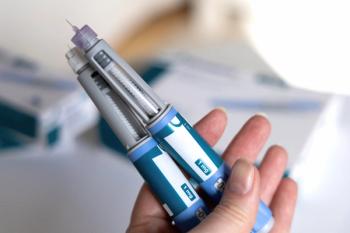
New research reveals that combining bimagrumab and semaglutide enhances fat loss while preserving muscle mass, revolutionizing obesity treatment strategies.
![[AI Generated] 3D Medical Cross-Section of Diabetic Vascular Disease - Microvascular Damage Mechanism](https://cdn.sanity.io/images/0vv8moc6/pharmacytimes/a1eb8eb82c084cc01b983b073be9e81ef74df663-1200x673.jpg?w=350&fit=crop&auto=format)
HMGCR inhibitors were found to significantly increase the risk of experiencing microvascular complications in patients with diabetes, whereas NPC1L1 inhibitors were found to reduce the risk.

Compared with prior intravenous formulations, the autoinjector is a more accessible administration method for children and their caregivers.
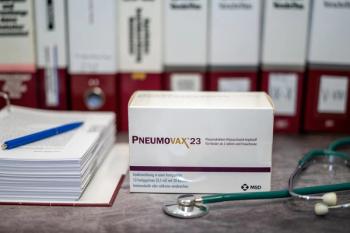
Six years following vaccination with 23-valent pneumococcal polysaccharide vaccine in a Chinese population, antibody levels remained high, although not as high as 28 days following vaccination.
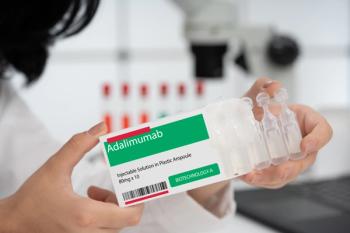
Hulio shows comparable efficacy and safety to Humira in treating chronic plaque psoriasis, supporting its FDA interchangeability status.

Low-energy total diet replacement programs show promise for individuals with obesity and type 2 diabetes, without increasing eating disorder risks.
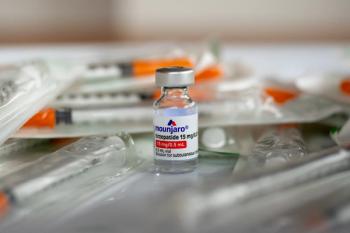
The session highlighted tirzepatide’s unique mechanism of action, based on comprehensive clinical data and real-world evidence.

Continuous glucose monitoring (CGM) is poised to transform type 2 diabetes management.

Ready-to-use glucagon simplifies hypoglycemia rescue by providing easy-to-use options for patients and caregivers.
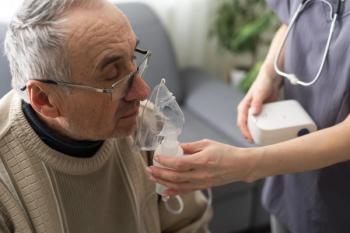
Pharmacists have the skills to improve patient outcomes and relieve burdens on other providers.
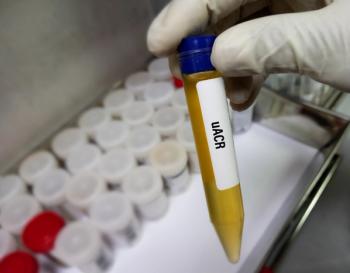
Lorundrostat reduces blood pressure and urine albumin-to-creatinine ratio in patients with chronic kidney disease (CKD) and hypertension.

Continuous glucose monitors provide individuals with type 2 diabetes with real-time, actionable insights about their health.