

A new biosimilar, LY05008, shows comparable efficacy and safety to dulaglutide in managing type 2 diabetes mellitus (T2DM) in Chinese adults.
A new biosimilar, LY05008, shows comparable efficacy and safety to dulaglutide in managing type 2 diabetes mellitus (T2DM) in Chinese adults.

Discover groundbreaking FDA approvals for shingles, diabetes, and OTC treatment for gut health, enhancing patient care and access to essential medications.

High-density lipoprotein cholesterol, known for protective cardiovascular effects, could play a role in reducing the risk of stress urinary incontinence.

The oral glucagon-like peptide agonist-1 met its primary end point and all secondary end points in a randomized, double-blind, placebo-controlled clinical trial for weight management.

The FDA approves donidalorsen, the first RNA-targeted therapy for hereditary angioedema, offering significant attack reduction and convenient administration.

New research uncovers complex inflammatory pathways driving asthma flare-ups in children, highlighting the need for personalized treatment strategies.

New research confirms that switching from tocilizumab to its biosimilar, Avtozma, maintains efficacy and safety in patients with rheumatoid arthritis (RA).

The implementation of nonpharmaceutical measures during the COVID-19 pandemic reduced transmission of Streptococcus pneumoniae, a key bacterium that causes pneumococcal disease.
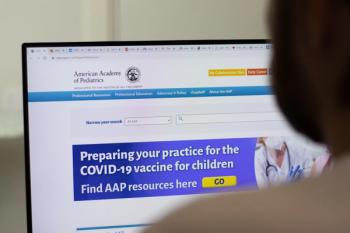
The AAP unveiled its 2025 immunization schedule, challenging CDC guidelines and emphasizing evidence-based vaccine recommendations for children's health.

Palbociclib revolutionizes HR+/HER2- breast cancer treatment, enhancing outcomes with endocrine therapies and promising new combinations for better patient care.

Probiotic supplementation in VLBW preterm infants reduces antibiotic resistance and promotes beneficial gut bacteria, enhancing neonatal health outcomes.

Simplifying complex information through illustrations and storytelling helps patients feel that managing their condition is achievable.

An expert shares how 340B puts independent pharmacies at a competitive disadvantage.

New research uncovers a pathway linking diabetes and heightened blood clot risks, paving the way for innovative treatments to prevent cardiovascular complications.
Samantha Picking, PharmD, senior director of immunizations at Walgreens, discusses staffing strategies, digital tools, and operational improvements designed to streamline flu vaccination services during the upcoming respiratory season.

Case highlights the importance of careful cocumentation.

Signos CGM empowers users to manage weight effectively through personalized insights and real-time glucose tracking.

The development of multisystem inflammatory syndrome in children infected with SARS-CoV-2 was associated with more marked shifts in metabolic parameters, leading to increased cardiovascular disease risk.
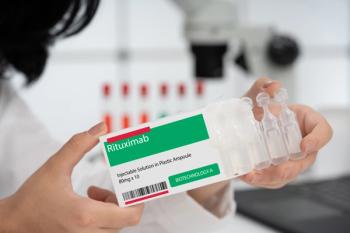
Study reveals rituximab outperforms cladribine in managing RRMS, showing superior disease control and improved disability outcomes.

Long-term obesity triggers aging biomarkers in young adults, linking excess weight to accelerated biological aging and chronic health risks.

The law has support from patients, health care providers, pharmacists, and the largest health insurance provider in the state.

Individuals with cognitive and physical disabilities faced difficulties in health care utilization and had reduced rates of preventive cardiovascular screenings during the pandemic.

Christopher Lis, senior director at JD Power, shared key insights about the report and what the pharmacy landscape currently looks like.

Plozasiran significantly reduces triglyceride levels and pancreatitis risk in FCS patients, offering hope for effective treatment options.

FDA approves a new liquid formulation of losartan for hypertension treatment, enhancing accessibility for adults and children over 6 years old.

Virtual health care enhances patient experiences, integrates complex data, and ensures medication access through provider-pharmacist collaboration.

Researchers unveil a promising drug combination, arainosine and theobromine, that effectively targets influenza A M2 channels, outperforming existing treatments.
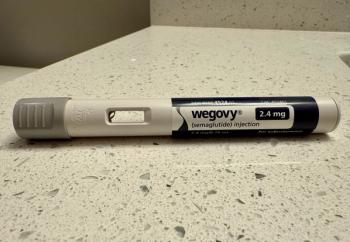
FDA approves semaglutide for treating MASH, offering new hope for affected individuals.

FDA approves Tonmya, the first new fibromyalgia treatment in 15 years, offering hope for effective pain relief and improved quality of life.

IDSA updated cUTI guidelines for men and women emphasize antibiotic selection, transition to oral therapy, and optimal treatment duration.