

Although COPD often develops as a result of smoking, researchers have long puzzled over why nearly one-third of cases occur in people who never smoked.
Although COPD often develops as a result of smoking, researchers have long puzzled over why nearly one-third of cases occur in people who never smoked.
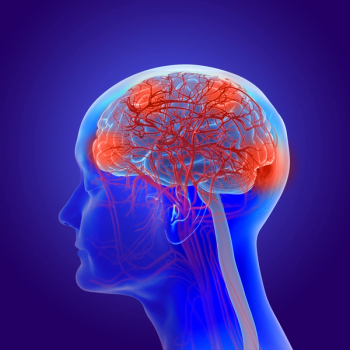
According to a recent study, patients with type 2 diabetes mellitus (T2D), but not prediabetes, demonstrated poorer cognitive performance 3 to 6 months after a stroke.

Researchers funded by the National Institutes of Health (NIH) have launched an effort to evaluate drugs prescribed to treat coronavirus disease 2019 (COVID-19) in infants, children, and adolescents across the United States.

A new study conducted by researchers at Bar-Ilan University and the University of Haifa has linked coronavirus disease 2019 (COVID-19)-based loneliness in older adults with elevated psychiatric symptoms of anxiety, depression, and trauma symptoms that immediately follow exposure to trauma.
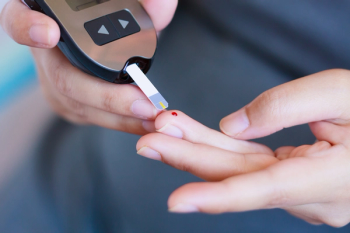
A recent study in the UK that estimated the amount of life lost from type 1 and type 2 diabetes in the country’s population found that the loss amounted to approximately 6.4 million years of future life in the current population.

Of 400 dialysis patients with the Vall d’Hebron University Hospital as reference in Barcelona, Spain, 21 contracted the coronavirus disease 2019 (COVID-19) and the mortality rate in this center was 24%, according to the opening presentation at the ERA-EDTA Congress conference.

Reducing salt intake to a healthier level appears to be beneficial for the gut microbiome and blood pressure, especially in females with untreated hypertension, according to researchers at the Medical College of Georgia at Augusta University.

Concerningly, a majority of respondents also reported disruptions in their regular and preventative health care services.

The COVID-19 pandemic rapidly pushed traditional face-to-face instruction within schools of pharmacy into a fully remote learning environment.

According to a recent study, people with a higher risk of cardiovascular disease demonstrate an increase in cognitive decline, including a rise in the typical markers of Alzheimer disease.
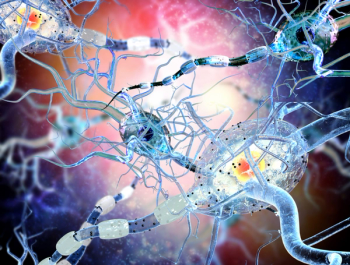
New treatment options offer hopes of better clinical outcomes for patients suffering from Parkinson disease and its debilitating daily symptoms.

Further, although the transmission of influenza and COVID-19 are similar, the incubation period is differentiated, with a range of 1 to 4 days for influenza and a range of 2 to 12 days for COVID-19.

Technology has enhanced our ability to detect many types of medication errors, but human errors, especially those involving calculations, continue to be a problem.

Why is a patient prescribed an eye drop to be instilled in her mouth?
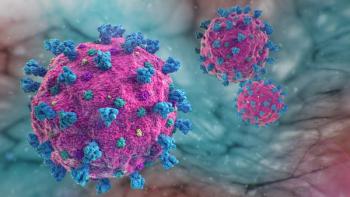
There has been more attention been paid to the pulmonary complications of COVID-19, with less attention being paid to the cardiovascular complications that can result in death or impairment.

Studies pertaining to polypharmacy have been increasing over the last decade—yet, interventions aimed to prevent and manage polypharmacy are limited.

Today, we’re celebrating Dennis Heuer, PharmD, director of pharmacy at IV Solutions LLC in Wood Dale, Illinois.

Flip the Pharmacy helps pharmacy teams provide enhanced clinical services for their patients and has developed a COVID-19 best practices program.
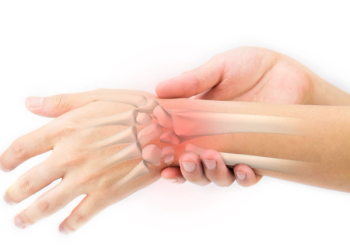
What characteristics of RA treatments possibly connect to COVID-19 treatment?

The US Senate recently passed the Paycheck Protection Program Flexibility Act after its quick success in the House last week.

Including medication disposal methods with prescriptions could reduce opioid diversion and childhood poisonings.
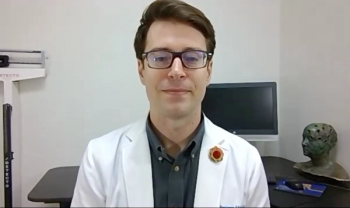
Pharmacy Times® interviewed Benjamin McNabb, PharmD, the owner of Love Oak Pharmacy, about how pharmacies can protect the communities they serve during the COVID-19 pandemic when reopening or staying open across the country.

Today, we’re celebrating the work of everyone at Boone Drugs Inc in North Carolina.

Allison Hanson, PharmD, BCPS, the 2019-2020 Institute for Safe Medication Practices (ISMP) International Medication Safety Management Fellow, discusses medication safety during the COVID-19 pandemic.

Amid ongoing protests across the country, pharmacy staff and owners are seeking ways to stay safe and avoid damage or looting.
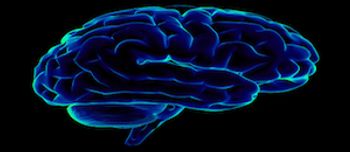
The study contributes to a growing body of research suggesting that fitness has beneficial effects for brain health, applying magnetic resonance spectroscopy to detect and measure brain metabolites, focusing specifically on N-acetyl aspartic acid (NAA).

Technicians and pharmacists both agreed that the Optimizing Care Model allowed the pharmacy to implement entirely new services and expand the number of patients who were receiving existing services.

Business planning includes many components, not just merely generating an idea and hoping it will succeed.

Telemedicine and connected devices are emerging as technologies to provide greater access and convenience to care for those who can defer treatment by way of an in-person consultation.
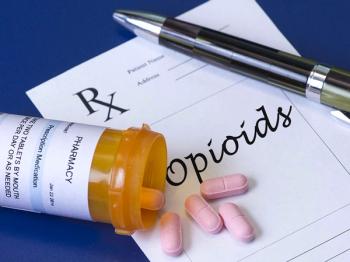
Sub-optimally managed pain is the outcome of a reactionary position to the opioid epidemic.