

Pharmacists can help address nicotine addiction by recommending FDA-approved smoking cessation methods and educating on the risks associated with electronic cigarette use.
Pharmacists can help address nicotine addiction by recommending FDA-approved smoking cessation methods and educating on the risks associated with electronic cigarette use.

Pharmacists are essential in preventing the significant health and economic burden of respiratory syncytial virus (RSV) infections in older adults through vaccination.

Providing crucial information allows patients to take charge of their treatments.

VGT-1849A could reduce JAK2 activity, lessening the disease burden faced by individuals with PV while providing a favorable safety profile.

Rates of GBS were similar between Arexvy and Abrysvo, at 0.12% and 0.11% of total reported events, respectively.
The approval comes after clinical trial results in which vanzacaftor/tezacaftor/deutivacaftor (Alyftrek; Vertex Pharmaceuticals) demonstrated superiority compared with elexacaftor/tezacaftor/ivacaftor and ivacaftor (Trikafta; Vertex Pharmaceuticals).

OraQuick was the first at-home HIV test kit to be approved by the FDA in 2012.

The new approval continues to expand the therapeutic potential of GLP-1 medications such as tirzepatide, now being deemed effective in patients with obstructive sleep apnea.
Setmelanotide is indicated to reduce excess body weight and maintain weight reduction long-term for patients with syndromic or monogenic obesity due to Bardet-Biedl syndrome.

Varicella-zoster vaccination could prevent fatal outcome among individuals with disseminated herpes zoster.

Knowing which patients are at higher risk for developing urticaria by analyzing their history of food allergies could lead to better outcomes in this population.
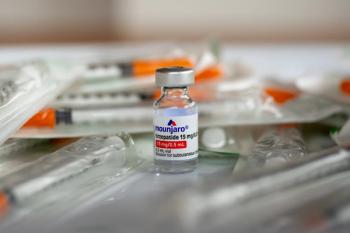
Compounding pharmacies have a 60- to 90-day grace period to complete production as it continues to monitor supply and demand.

This could be attributed to improved diet and health awareness.

The findings show a need for researchers and health care professionals to consider model designs to minimize disparities when diagnosing perinatal mood and anxiety disorders (PMADs).

The rare genetic disease is a severe hypertriglyceridemia that can lead to potentially life-threatening acute pancreatitis.

The evolving regulatory policies around biosimilar interchangeability is crucial for driving successful biosimilar adoption in the marketplace.

New mechanisms of action are proving more effective than ever, offering slowed progression.

Proven effective in the treatment of atopic dermatitis (AD) and other allergic conditions, these study results confirm the ability of dupilumab to improve symptoms in children with other concurrent conditions.

Duloxetine is a commonly prescribed medication used to treat anxiety, depression, and other mental health disorders.
In this episode of Public Health Matters, Christina Madison discusses the concept of reproductive justice and ensuring Black maternal health efforts are not left behind with Regina Davis Moss of In Our Own Voice.

Lerodalcibep is a third-generation PCSK9 inhibitor that demonstrated success in reducing low density lipoprotein cholesterol (LDL-C).

These findings indicate that asthma and allergic rhinitis may be commonly linked, emphasizing the need to identify underlying causes.

Pharmacy professionals deserve the right to pursue mental health care without fear of losing their jobs. The Wellbeing First Champion Challenge is helping change this.

Clesrovimab would be the first and only single dose immunization indicated for infants regardless of weight, aimed to protect against their first RSV season.

Exponential growth in development is unsustainable in biological systems. But what about AI?

The findings suggest that VZV is a common cause of CNS infections, even when there is no visible rash.

Ultra-processed food consumption fuels the rising rates of childhood obesity, diabetes, and liver disease, highlighting opportunities for pharmacist intervention.

Pharmacists and health care providers can recommend healthy foods that are rich in choline and iodine if individuals are not receiving enough in prenatal vitamin supplements.


The updated prescribing information recommends laboratory tests prior to prescribing fezolinetant to determine baseline for hepatic function and injury.