

Moderate-to-severe TBI significantly increases the risk of malignant brain tumors, highlighting the need for long-term monitoring in survivors.
Moderate-to-severe TBI significantly increases the risk of malignant brain tumors, highlighting the need for long-term monitoring in survivors.

This decision is believed to redefine how biological drugs will be developed, approved, and made affordable for patients.

Susan Cantrell, RPh, MHL, CAE, highlights the Equitable Community Access to Pharmacy Services (ECAPS) Act as the top federal priority to preserve pharmacists’ authority in testing, treatment, and immunization services.

Fast-melt tablets (FMT) in drug delivery enhanced patient adherence and therapeutic response.

The approval of 2 denosumab biosimilars, Bildyos and Bilprevda, enhances access to affordable bone health treatments for patients.

Vaccination is vital for adults with heart disease to prevent severe respiratory illnesses like RSV, influenza, and COVID-19, enhancing overall health outcomes.

Greater effectiveness was seen in children 1 year and older.

The subcutaneous injection for maintenance treatment enhances accessibility and reduces infusion time for patients.

Research shows that individuals who use cannabis to self-medicate, especially those with a history of childhood trauma, face heightened risks of paranoia and adverse mental health outcomes.

Allison Hill, PharmD, RPh, discusses how rapid changes in vaccine schedules and state-level authority highlight the importance of the American Pharmacists Association's advocacy.

Susan Cantrell, RPh, MHL, CAE, CEO of the Academy of Managed Care Pharmacy, stresses the importance of listening, empathy, and science-based communication in pharmacists’ efforts to guide patients through vaccine decisions.

Allison Hill, PharmD, RPh explains how pharmacists’ accessibility and trusted relationships make them key to combatting vaccine hesitancy.

Explore the impact of the Inflation Reduction Act on community oncology practices and discover how new legislation aims to protect patient access to care.

Alyssa Modic, PharmD, discusses the evolving role of pharmacists in adult immunizations and strategies to improve respiratory syncytial virus (RSV) vaccine education and uptake.

An international BMJ panel recommended broader use of SGLT-2 inhibitors and GLP-1 receptor agonists.

Self-medication, including the use of dietary supplements and pain relief drugs, were reported by many patients with statin-associated muscle symptoms to lower their low-density lipoprotein cholesterol (LDL-C).

FluMist Home, the first at-home nasal spray flu vaccine, is now available for direct delivery to patients in 34 US states.

Explore the benefits and challenges of long-acting injectables (LAIs) in managing schizophrenia for improved patient outcomes.

Employers are facing higher costs and employees higher premiums as 340B’s growth drives lost rebates and rising drug prices.

Allison Hill, PharmD, RPh, emphasized that pharmacists must stay updated on ACIP and state-level guidance following HHS’s changes to COVID-19 vaccine authorizations.

An immunomodulatory nanoparticle called Agg-CLNP has been shown to effectively prevent disease onset for rheumatoid arthritis (RA).

Patients with severe COVID-19 who tested positive for Streptococcus pneumoniae had higher mortality rates.
The FDA updated sparsentan's REMS, easing monitoring requirements, enhancing treatment access for IgA nephropathy patients, and supporting kidney function preservation.

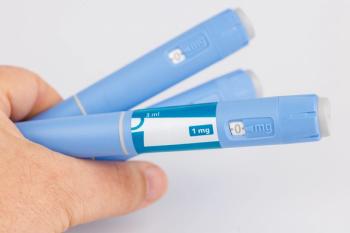
Generic liraglutide injection is the first GLP-1 indicated for weight loss.

Drug shortages challenge US health care, driven by systemic issues like low pricing and manufacturing concentration, impacting patient care and safety.

Hesperidin, a citrus-derived flavonoid, shows promise in improving cholesterol, blood pressure, and metabolic health, particularly at higher doses and longer durations.

COVID-19 vaccination significantly reduces the risk of asthma and other airway inflammatory diseases, offering vital protection against respiratory complications.

A pharmacist highlights a career shaped by evolving roles, patient care, and the importance of listening with integrity.
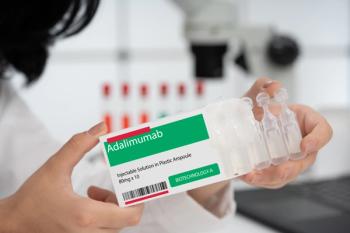
Biosimilars can be a more affordable and accessible treatment option for patients with rheumatoid arthritis (RA) and psoriatic arthritis (PsA).