

The supplemental new drug application (sNDA) is based on results from a phase 3 trial that enrolled patients with metastatic hormone-sensitive prostate cancer (mHSPC).
The supplemental new drug application (sNDA) is based on results from a phase 3 trial that enrolled patients with metastatic hormone-sensitive prostate cancer (mHSPC).
There were 2 main types of switches, including switching to rituximab subcutaneous and switching among different intravenous rituximab treatments.

ALE.P02 could provide further treatment options for advanced or metastatic anti–claudin-1+ squamous cancers.

The indication is for adults with previously treated unresectable or metastatic HER2+ (IHC+) biliary tract cancer (BTC) as detected by an FDA-approved test.

Data from the BROADEN and PROGRESS studies were presented at the International Papillomavirus Conference 2024 in Edinburgh, UK, from November 12 to 15.

Outpatient models are emerging as feasible alternatives to traditional inpatient care, offering potential benefits such as reduced hospitalization, improved social well-being, and cost savings.

Lazertinib in combination with amivantamab displays positive outcomes for non–small cell lung cancer compared with standard first line treatment.

Factors such as age, race, marital status, years since diagnosis, and out-of-pocket costs show significance as predictors of quality of life.

The indication is for adult and pediatric patients 1 year and older with a lysine methyltransferase 2A gene translocation.

The tablets become the first and only nilotinib with no mealtime restrictions indicated for this population.
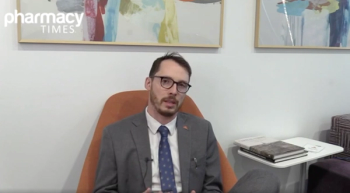
Blaine Groat, PharmD, discusses the evolution of US Pharmacopeia (USP)'s drug standards, highlighting new compounding guidelines, as well as USP’s commitment to pharmacogenomics and upcoming opportunities for experts to contribute to personalized medicine standards.

White button mushroom can rebuild anti-cancer immune defense while slowing cancer growth.

The designation follows 2 previous orphan drug designations for pancreatic cancer and soft tissue sarcoma.

According to the study, 20% of patients with myeloproliferative neoplasms progress to blast phase.

Researchers applied extracellular vesicles retrieved from human red blood cells to serve as natural carrier to deliver the anti-cancer antisense oligonucleotides to the tumor site.

LBL-034 could be best in class in treating individuals with multiple myeloma.

If approved, zongertinib may be a new first-line oral tyrosine kinase inhibitor (TKI) for patients with HER2-mutated non-small cell lung cancer (NSCLC), a transformative step in TKI drug development.

If accepted, daratumumab would be the first approved treatment for smoldering multiple myeloma.

Brigimadlin is a new oral MDM2-p53 antagonist under investigation as a potential first-line therapy to improve outcomes for patients with advanced or metastatic dedifferentiated liposarcoma.

Anthony Perissinotti, PharmD, BCOP, discusses unmet needs and trends in managing chronic lymphocytic leukemia (CLL), with an emphasis on the pivotal role pharmacists play in supporting medication adherence and treatment decisions.

The analysis also found that the intervention methods could improve patients’ physical, cognitive, and emotional functioning.

Pharmacy teams are learning to adapt to the challenges of limited distribution networks and orphan drug designation in oncology, with integrated pharmacy support playing a crucial role in enhancing patient access and adherence.

Expanding operations to provide specialty infusions can provide benefits to both patients and oncology practices.

Increased bone marrow adiposity is associated with progression of monoclonal gammopathy of undetermined significance (MGUS) to multiple myeloma.

Patients with low-grade intermediate-risk non-muscle-invasive bladder cancer who achieved a complete response rate after 3 months of UGN-102 treatment had an 82.3% duration of response at 12 months.

The findings show robust connections between symptoms, with variations in depression scores directly or indirectly influence fatigue and other symptoms.

Less than 16% of high-risk lung cancer individuals have heard or discussed lung cancer screenings with a health care provider.

Using in vitro models, study investigators predict the risk of bone metastasis in breast cancer based on correlations with their in vivo behaviors and potential.

Pegfilgrastim (Neulasta; Amgen) treats neutropenia that is caused by cancer medications and helps the bone marrow to create new white blood cells.

Pharmacists play a critical role in treating patients with breast cancer and can help address their social determinant of health challenges.