

Top news of the day from across the health care landscape.
Top news of the day from across the health care landscape.

Preventative strategies necessary to reduce hospital admissions resulting from cancer treatments, medical complications, accidents, and self-harm.

Selective manipulation of an enzyme can stop cancer cachexia.

Vitamin A metabolite in the gut kills off cancer cells.

Immunotherapy able to kill triple-negative breast cancer cells via two-pronged strategy.

Higher levels of transport genes are an indicator of patients likely to be resistant to therapy with tamoxifen.

Top news of the week in oncology, and cancer drug development.

Experimental drug shows promise killing triple negative breast cancer cells.

Hepatitis C causes inflexible scar tissue to form in the liver.

Atezolizumab (Tecentriq) monoclonal antibody that binds to the PD-L1 protein in non-small cell lung cancer.

New treatment for mast cell leukemia could improve quality-of-life and overall survival.
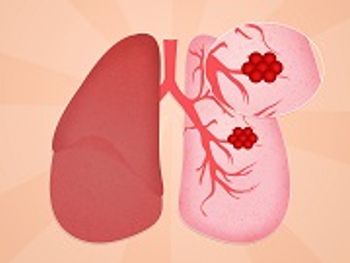
Xalkori received approval for ROS1-positive advanced non-small cell lung cancer.

Several mechanisms can lead to BRAF inhibitor resistance among patients with melanoma.

Top news of the day from across the health care landscape.

Lymph node staging carries a clinical significance in lung cancer patients.

Direct-acting antivirals can cure hepatitis C in most patients, but the drugs don’t eliminate complications, such as cirrhosis and liver cancer.
Little clinical data exists to aid shared decision making for mammography frequency.

Research targets formation of esophageal cancer tumors.

Nebivolol shows promise blocking anthracycline-induced cardiotoxicity in breast cancer patients.

Research reveals potential drug targets for cervical cancer associated with human papillomavirus.

New data reveals only a portion of hepatitis C positive individuals receive treatment.

Researchers urge for more stringent guidelines regarding reimbursement for off-label use of cancer drugs.
Patients with negative expectations about breast cancer treatment had nearly twice the amount of side effects.

Genetic mechanisms could potentially promote cancer growth and spread.

Tecentriq improved overall survival in patients with non-small cell lung cancer.

Top news of the week in oncology, and cancer drug development.

Selumetinib did not meet trial endpoints in patients with KRASm-positive non-small cell lung cancer.

Novel drug is a bispecific T cell engager (BiTE) that targets the B-cell maturation antigen in multiple myeloma.

Underlying mechanisms of skin cancer reveal potential avenue to cure melanoma.

Expanded use of bundled payments in cancer for services such as mammography.