

Top news of the week from Specialty Pharmacy Times.
Top news of the week from Specialty Pharmacy Times.
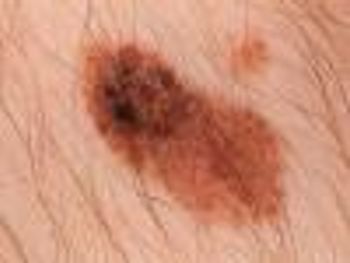
Wnt signaling activation impacts the response to melanoma treatment.

Mvasi is indicated to treat adult patients with certain types of colorectal, lung, brain, kidney, and cervical cancers.
Bevacizumab-awwb, a biosimilar to Avastin, approved to treat several cancer types.
Sofosbuvir may help improve the kidney function of some patients with hepatitis C virus.

Nerlynx is indicated to treat early-stage HER2-positive breast cancer following trastuzumab-based therapy.

Device may reveal how to stop cancer cells from spreading.

Tumor biology and size should guide breast cancer treatment.

No differences in the effects of screening versus no screening found between 2 prostate cancer trials.

Investigational trastuzumab biosimilar shows promise as potential lower cost treatment option to Herceptin for breast cancer and gastric cancer.

A tissue analyzing pen could revolutionize cancer treatment by improving diagnosis.
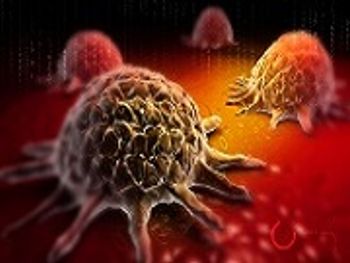
A blood cancer drug may kill certain esophageal cancer cells.
Study findings support research demonstrating endoxifen better inhibits tumor growth compared with tamoxifen.

Women with high cholesterol who take statins were 45% less likely to develop breast cancer.

Small node negative tumors can be aggressive, even if classified as clinical low risk.

Mosquito-borne disease attacks and kills glioblastoma stem cells.
Top articles of the week from The American Journal of Pharmacy Benefits.
Manipulating a specific protein could potentially drive tumor cells to self-destruct.
Drug found to slow cyst growth in patients with autosomal dominant polycystic kidney disease.
Determining how hepatitis C progresses is important when considering therapies and the associated costs for different patient groups.

Bruce A. Feinberg, DO, vice president and chief medical officer of Cardinal Health Specialty Solutions, discusses the key elements of an effective cancer clinical care pathways program.

Top news of the day from across the healthcare landscape.
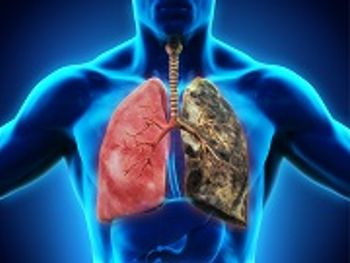
The Department of Veterans Affairs and Bristol-Myers Squibb Foundation seek to increase lung cancer screening among veterans.

Allowing patients to control mammography compression may improve stress associated with breast cancer screening.
Patients with breast cancer who are more rational may strongly consider contralateral mastectomy.

Up to 1.3 million women may not be receiving genetic testing to detect BRCA 1/2 mutations, which increase the risk of certain cancer types.

Self-administered acupressure found to improve sleep and daytime alertness among breast cancer survivors.
Patients with psychological and substance use problems are less likely to stay engaged in hepatitis C care.

The findings highlight the role of Tregs in suppressing the immune response.
Targeting the arginase 2 enzyme observed to reduce the growth of pancreatic cancer.