
Alectinib (Alcensa) reduced the risk of progression to the central nervous system by 84%.
Alectinib (Alcensa) reduced the risk of progression to the central nervous system by 84%.

An approval decision for Alecensa is expected by November 30, 2017.

Three weeks of radiation post-mastectomy observed to be safe and effective for breast cancer patients.

The approach only targets metastatic tissue, reducing negative adverse events associated with chemotherapy.

Top news of the day from across the health care landscape.
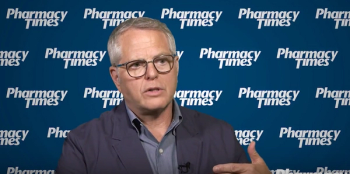
Bruce A. Feinberg, DO, Vice President and Chief Medical Officer of Cardinal Health Specialty Solutions, talks about the role pharmacists can play in potential education for patients outside of the oncology clinic.

Bacterium may hold the key to preventing resistance to chemotherapy.

Imbruvica is the first FDA-approved therapy to treat cGVHD.

Rising breast cancer rates in Japan highlights the need for clinical trials that include this population.
Targeting the microenvironment of lung cancer tumors with immunotherapies show promise.
Nearly 1 million cancer deaths in China were the result of exposure to modifiable risk factors.

Combining old and new technology may provide superior oncologic outcomes for patients with resectable lung cancer.

New clinical trial tests experimental drugs in pediatric and adolescent patients.
Discovery may lead to new immunotherapies for aggressive breast cancer.

Technique offers improved survival in patients with advanced, inoperable stage 3 non-small cell lung cancer.

Evidentiary standards for new or supplementary cancer therapeutic indication approvals by the FDA are consistent with off-label indication inclusions on Medicare-referenced compendia.
Top articles of the week from Specialty Pharmacy Times.

Every 10 cm increase in waist size found to increase risk of high-grade prostate cancer by 13%.

Top news of the day from across the health care landscape.

US Preventive Services Task Force states that screening tests for ovarian cancer are often inaccurate.

Investigators compare long-term overall and disease-free survival rates in neoadjuvant versus adjuvant radiotherapy.

Top news of the day from across the health care landscape.

Global market for HER2-positive breast cancer to increase to $9.89 billion in 2025.

Treatment with paclitaxel or doxorubicin plus cyclophosphamide may increase the risk of metastatic breast cancer.

Novel approach may improve efficacy of pancreatic cancer treatments.

Breast microbiome may be harnessed to treat the development of breast cancer.
Tools that analyze the cancer genome provide new insight into the mechanisms that drive cancer development.
Memory T cell subtypes can be reactivated with current immunotherapy.
A combination of doxorubicin plus an aldose reductase inhibitor prevented cardiotoxicity in patients with colon cancer.

Drug combination expected to increase efficacy of pembrolizumab (Keytruda) in patients with non-small cell lung cancer.