

ATR mutations increase skin cancer tumor growth by modulating the tumor microenvironment.
ATR mutations increase skin cancer tumor growth by modulating the tumor microenvironment.

Improvements in breast cancer patient quality of life and mortality seen over last 30 years.
Patients with small renal masses may be undergo surgery when active surveillance could be beneficial.

Scientists discover a metabolic weakness in advanced breast cancer cells.
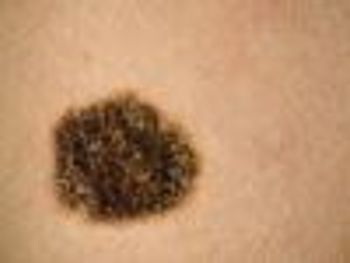
High genomic copy loss correlated with metastatic melanoma’s ability to thwart the success of immune checkpoint inhibitors.

Adding pertuzumab (Perjeta) to a breast cancer treatment regimen reduced recurrent disease.

Archival tumor tissue reliably identifies patients with folate receptor alpha-positive ovarian cancer.

Ribociclib plus letrozole shows improved survival in hormone receptor positive, human epidermal growth factor receptor-2 negative (HR+/HER2) advanced or metastatic breast cancer.

Ribociclib plus letrozole improved progression free survival in patients with HR+/HER2 advanced or metastatic breast cancer.

The FDA has approved Novartis’ Kisqali (ribociclib), in combination with an aromatase inhibitor as initial endocrine-based therapy treatment, for the treatment of breast cancer.

BET-inhibitors and immune-based treatments may improve outcomes in patients with blood cancer.

Neoadjuvant chemotherapy decreased recurrence and increased survival in African American patients.

Melanoma survivors more likely to limit sun exposure than individuals without a history of skin cancer.
Target may lead to the development of new drugs that inhibit cancer.

A regulatory protein that weakens the immune response to viral RNA presents a new treatment target for cancer.

Extracellular matrix receptors shield cancer cells from harsh environments.
Targeting the immune response to cancer may lead to new immunotherapies.

Compounds demonstrate high cancer-killing activity and low-toxicity in non-tumor cell line.

Targeted and individualized breast cancer treatment is viable.

Many patients with stage 1 and 2 breast cancer are administered aggressive chemotherapy.

Patients with early-stage breast cancer may not need aggressive treatment.

Combination therapy may improve treatment strategies for hepatocellular carcinoma.

Promise seen in targeting protein in PTEN-deficient cancer cells.

Updates on the national performance benchmarks for digital mammography.

Prostate cancer can be subtyped based on cell of origin as luminal A, luminal B, and basal cell subtypes.

Patients with luminal B prostate cancer benefited the most from androgen deprivation therapy.

Treatment shows benefit in patients with low-grade serous cancer.

Early-stage breast cancer patients with low muscle quality and quantity have twice the risk of hospitalization.

Treatment with the myxoma virus reduced tumor burden and led to a modest decrease in disease progression in mice.

Patients who received phone counseling were more likely to quit smoking than patients who received a list of low cost services.