
At the ESMO Congress 2019, Ulrik Lassen, MD, PhD, oncology professor at the University of Copenhagen explained the challenges in identifying and treating TRK fusion cancer in patients.
At the ESMO Congress 2019, Ulrik Lassen, MD, PhD, oncology professor at the University of Copenhagen explained the challenges in identifying and treating TRK fusion cancer in patients.

New data confirm high activity of larotrectinib in pediatric and adult patients with TRK fusion cancer.

With more novel therapies entering the market, costs are on the rise, however, new research suggests that the price tag may not reflect the drug’s clinical value.
At the ESMO Congress 2019, Ulrik Lassen, MD, PhD, professor of oncology at the University of Copenhagen, discussed the newly-released clinical data highlighting new overall survival and progression-free survival results for larotrectinib (Vitrakvi, Bayer) in tropomyosin receptor kinase (TRK) fusion cancer.
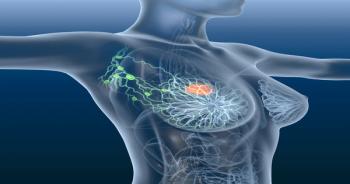
Treatment with a CDK4/6 inhibitor plus fulvestrant found to improve overall survival in women with hormone receptor-positive, human epidermal growth factor 2-negative advanced breast cancer.

The addition of the immunotherapy pembrolizumab (Keytruda) to standard presurgical chemotherapy improved pathological complete response (pCR) rates for patients with triple-negative breast cancer (TNBC).

A pharmacist and nurse led non-medical prescribing clinic that was focused on side effect management and survivorship support for patients with melanoma helped to improve common every-day pressure seen in a medical day unit and improved overall patient experience.
At the ESMO Congress 2019, Mansoor Raza Mirza, MD, chief oncologist at Copenhagen University Hospital, talked about how ovarian cancer treatment has evolved over the years.

The PRIMA study evaluated the efficacy and safety of niraparib therapy after response to platinum-based chemotherapy in patients with newly-diagnosed ovarian cancer.
At the ESMO Congress 2019, Mansoor Raza Mirza, MD, chief oncologist at Copenhagen University Hospital, discussed the role of oncology pharmacists in managing the treatment of patients with ovarian cancer.

New data presented at the ESMO Congress 2019 showed that a 2-drug immunotherapy combination improved overall survival in patients with advanced non-small cell lung cancer.

Late-breaking data from the ESMO Congress 2019 demonstrate osimertinib’s superiority to older generation EGFR tyrosine kinase inhibitors in EGFR-mutated non-small cell lung cancer.
At ESMO Congress 2019, Mansoor Raza Mirza, MD, chief oncologist at Copenhagen University Hospital, discussed the latest practice-changing clinical data results involving PARP inhibitor therapy in ovarian cancer.

Five-year overall survival rates in patients with melanoma were 52% for nivolumab plus ipilimumab, 44% for nivolumab, and 26% for ipilimumab.

Research discusses specific mindsets that could affect the health of patients with cancer: regarding the disease as either a catastrophe or an opportunity and seeing the body as either a friend or foe.
Improvements in overall survival and response rates found in patients with advanced hepatocellular carcinoma treated with first-line nivolumab.
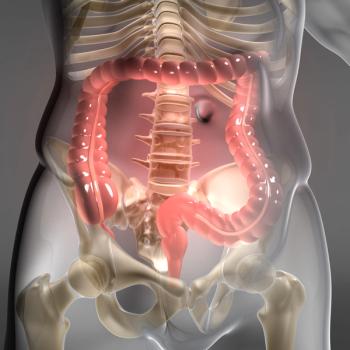
Patients with metastatic colorectal cancer harboring certain non-V600 BRAF mutations may benefit from anti-EGFR treatment.

The European Society for Medical Oncology (ESMO) Congress 2019 will be taking place September 27 to October 1 in Barcelona, Spain, and Pharmacy Times® and Specialty Pharmacy Times® will be on location delivering coverage.
Mammography found more effective at detecting breast cancer in men with high risk than for women with an average risk and in detecting the disease before it metastasizes.

Top news of the day across the health care landscape.

Study participants who consumed approximately 500 mg of total flavonoids each day had the lowest risk of a cancer or heart disease-related death.
Study shows that higher levels of PTSD symptoms can be associated with increased risks of ovarian cancer even decades after women experience a traumatic event.

Cyclin-Dependent Kinase 4/6 Inhibitors, Margetuximab, Trastuzumab Deruxtecan, and Tyrosine Kinase Inhibitors Have Shown Promising Results

Obesity-associated cancer burden is shifting toward younger individuals, with more dramatic increases in some populations than others.

The FDA has approved Erleada (apalutamide) for the treatment of metastatic castration-sensitive prostate cancer (mCSPC), based on the results from the Phase 3 TITAN study.

Patients with metastatic colorectal cancer harboring certain non-V600 BRAF mutations may benefit from anti-EGFR treatment.

Hematology and oncology pharmacists discussed patient outreach at a panel during the Hematology/Oncology Pharmacy Association’s (HOPA) annual conference in April.

During a presentation at the recent Community Oncology Alliance Annual Conference in Orlando, Florida, Ray Bailey, RPh, discussed the implications of medical marijuana for patients with cancer.

Despite advances in cancer care, patients typically face obstacles to treatment.

As the cost of treating the disease has risen, so too have the direct medical care expenses that patients pay out of pocket, as commercial insurers increasingly shift the burden of paying for treatment to patients through higher premiums, deductibles, and co-pays.