

Directions in Pharmacy® is a full-day regional conference for community and health-system pharmacists.
Directions in Pharmacy® is a full-day regional conference for community and health-system pharmacists.

Oncology pharmacists can prevent errors that occur when a patient’s medications include prescription drugs, OTC medications, herbals, and dietary supplements.

The objective of the study was to find whether niraparib improves PFS in patients with newly diagnosed advanced ovarian cancer after first-line (1L) platinum-based chemotherapy (CT).
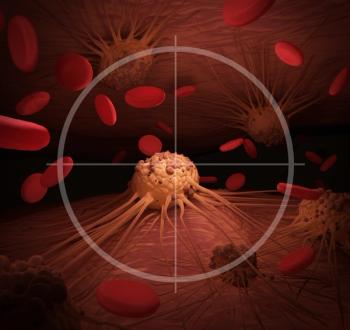
XMT-1536, a first-in-class antibody-drug conjugate NaPi2B was well tolerated with no dose-limiting toxicities in patients with ovarian cancer and non-small cell lung cancer (NSCLC).

However, the magnitude of the progression-free survival (PFS) benefit is greatest when surgery achieved complete surgical debulking, specifically in the upfront setting.
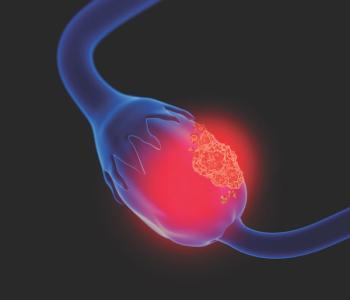
The objective of the study was to analyze whether niraparib improves PFS in patients with newly diagnosed advanced ovarian cancer after response to first-line platinum-based chemotherapy.

Front-line use of vigil immunotherapy as maintenance in stage 3-4 ovarian cancer was well tolerated and demonstrated relapse-free survival clinical benefit.

A new blood test has detected more than 50 types of cancer as well as their location within the body, according to an international team of researchers led by the Dana-Farber Cancer Institute and the Mayo Clinic.

New research in 5 human cancer cell lines revealed interdependencies between a tumor and its host’s microenvironment.

Pharmacists working collaboratively can make an impact, including for patients with more acute diseases.

Genomic profiles measured through circulating free DNA in the blood of patients with breast cancer may provide a more effective way to treat the disease and track its progression.

Researchers examine how stem cells promote neuronal growth in tissue regeneration and in cancer progression.

The researchers plan to present updated data at the European Society for Medical Oncology Breast Cancer conference in May.

Small cell lung cancer is highly aggressive and fast-growing, typically recurring and progressing rapidly despite the initial response to chemotherapy.

A highlighted session from the ASHP 54th Midyear Clinical Meeting, held December 8-12, 2019, in Las Vegas, Nevada.

New information from the IQVIA “Global Medicine Spending and Usage Trends” report highlights the expected growth of specialty pharmacy spending by 2024.

DCIS is a noninvasive condition in which abnormal cells are found in the lining of a breast duct but have not spread to other tissues in the breast.

New research has examined the details surrounding the signaling molecule interleukin-2, which could lead to more targeted therapies for diseases such as cancer.
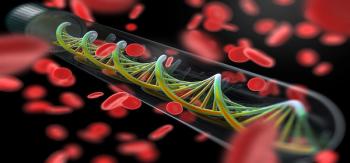
Guidelines recommend that Ashkenazi Jewish women discuss genetic testing with physicians, but other women with breast cancer are less likely to receive a recommendation of testing.

A study published in Clinical Cancer Research has shown that using standard-of-care computed tomography (CT) scans in patients with advanced non-small cell lung cancer (NSCLC) can predict tumor sensitivity to 3 systematic cancer therapies by using artificial intelligence (AI).

Following a 7.5% increase in melanoma-related deaths among white Americans between 1986 and 2013, researchers have now found a nearly 18% decline over the following 3 years.
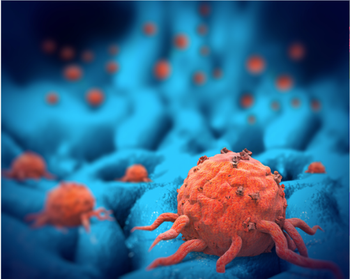
Research may lead to the development of new types of binding proteins for biological sugar structures, which play a significant role in cancer and infectious diseases.
Patients with a history of cancer have a greater likelihood of developing atrial fibrillation, the most common heart rhythm disorder, compared with the general population.

Despite numerous treatment advances, early detection, public education, and smoking cessation are the best bets.

The new study has found that the lymphedema monitoring technology, marketed by LymphaTech, can effectively detect early arm swelling associated with lymphedema in breast cancer patients.

Trastuzumab-dttb was first approved in January 2019 across all eligible indications, mainly adjuvant treatment of HER2-overexpressing breast cancer, metastatic breast cancer, and metastatic gastric cancer.

The growth of the pipeline has led to increases in insurance carriers’ specialty plan spend.
Statins, widely used to lower cholesterol and prevent heart disease, may guard against heart damage caused by certain breast cancer therapies.

“We’re pretty devastated,” said Jessica Harris, a friend of Rutter, in an interview with WFSB. “She beat cancer and lost the battle to coronavirus—it’s just crazy.”

Although preventive measures may be largely the same for patients with cancer during the COVID-19, the pandemic could result in difficult treatment decisions.