

In a Pharmacy Times®Practice Pearls video series, experts discussed best practices in the management of AML.
In a Pharmacy Times®Practice Pearls video series, experts discussed best practices in the management of AML.

Rural patients are in greatest need of such ancillary services as those provided by dietitians and social workers.

There are a variety of interventions that can be used to improve survival after a patient reports cancer toxicity following treatment.

LGBTQ patients with cancer face specific barriers when seeking medical care, but pharmacists and other medical professionals can take specific steps to reduce care gaps.

An expert panel at the Community Oncology Conference 2020 discussed how COVID-19 is changing the future of community oncology.

Alexander Spira, MD, PhD, FACP, discussed how there are many types of malignancies when it comes to lung cancer, and we need to set this paradigm for our patients in the future.

The era of social distancing will likely leave a lasting impression on telehealth services, as HCPs quickly learn to incorporate it as a valuable tool and adapt to changes.

The current state of oncology is shaping challenges for the future specifically in the areas of telehealth, home infusions, and a surge of new patients that have not been to oncology clinics yet.

Experts discuss what their teams have learned throughout the COVID-19 pandemic, during the COA virtual conference.

Solving challenges of the current system is vital to spreading clinical trials into community clinics, which may be increasingly important.
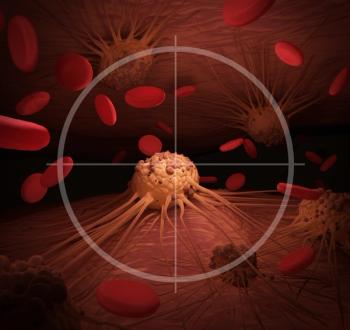
New research has identified the binding site where drug compounds could activate a key braking mechanism against the runaway growth of many types of cancer.

Sacituzumab govitecan-hziy is the first antibody-drug conjugates approved by the FDA specifically for relapsed or refractory metastatic triple-negative breast cancer (TNBC).
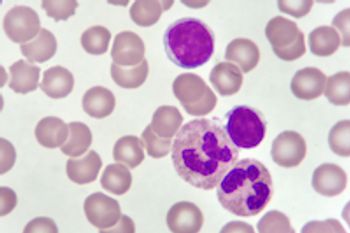
Using CRISPR technology, researchers conducted a study aimed at identifying genes that fuel leukemia growth, in order to find new vulnerabilities in chronic myeloid leukemia that can be targeted.
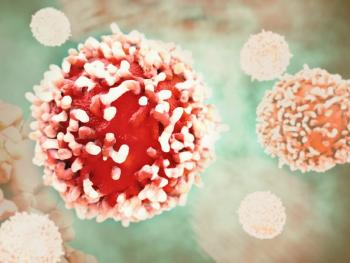
An analysis has shown that aspirin is associated not only with a significant reduction in the risk of developing several cancer types.
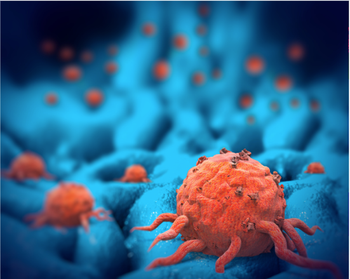
Cancer cells avoid an immune system attack after radiation by taking control of a cell signaling pathway that helps dying cells avoid triggering an immune response.

Patients with BRAF mutations administered treatment with encorafenib/binimetinib trended toward improved and longer responses than patients who received dabrafenib/trametinib.

In preliminary data from the trial evaluating dostarlimab, the results demonstrated that the clinical activity in patients with previously treated recurrent or advanced mismatch repair (MMR)-deficient endometrial cancer had an acceptable safety profile.

The new expanded approval was based on positive results from the phase 3 E1912 study.
Treatment of ovarian cancer with poly (ADP-ribose) polymerase (PARP) inhibitors has a high out-of-pocket cost for patients, with substantial variation among them, according to a study.

A phase 3 trial evaluated nivolumab in combination with ipilimumab in patients with previously untreated MPM and successfully met its primary endpoint of overall survival.

Oncology/Hematology pharmacists from Boston Medical Center discuss how COVID-19 has affected their patients.
The phase 3 trial evaluating nivolumab in combination with cabozantinib demonstrated positive results in the treatment of renal cell carcinoma (RCC).

An interview with Debra Richardson, MD, examined the phase 2 study that included niraparib with bevacizumab for patients with either a complete or partial response after upfront chemotherapy for advanced ovarian cancer.

A protein secreted by fat cells may link obesity and breast cancer, according to a newly published article inTrends in Molecular Medicine.

Cannabis products can counter some negative aspects of chemotherapy.

Patients should be selected for therapy based on the FDA approved companion diagnostic for a trastuzumab product.

The fda has approved talicia (amoxicillin, omeprazole magnesium, and rifabutin) for the treatment of Helicobacter pylori infection in adults.

The FDA does not usually require animalstudies for biosimilars; therefore, the process can move directly to pharmacokinetic and pharmacodynamic studies.
The FDA has granted accelerated approval to pemigatinib (Pemazyre, Incyte Corporation) as the first treatment for adults with certain types of previously treated, advanced cholangiocarcinoma.

This approval is a part of the first Project Orbis partnership between the FDA, Health Sciences Authority, and Swissmedic.