

The approval is for a 240 mg injection of nivolumab every 2 weeks or 480 mg every 4 weeks in combination with 40 mg once daily of cabozantinib.
The approval is for a 240 mg injection of nivolumab every 2 weeks or 480 mg every 4 weeks in combination with 40 mg once daily of cabozantinib.

During a study investigating therapeutics that target how RNA splicing activates antiviral immune pathways in triple-negative breast cancers, researchers observed that endogenous RNA in tumor cells that had been mis-spliced is able to mimic an RNA virus.

Study finds that recurring glioblastoma tumors with very few mutations respond significantly better to immunotherapies than similar tumors with multiple mutations.
The study findings emphasize the need for people who missed or postponed a cancer screening test early in the pandemic to contact their health care provider to discuss the potential need to reschedule it, according to the study authors.

FDA grant priority review to a supplemental biologics license application for nivolumab (Opdivo) for use as an adjuvant treatment for patients with resected esophageal or gastroesophageal junction cancer.

Obstacles to cancer screenings for low-income patients can include lack of transportation and an inability to take time off of work.
Narsoplimab is an investigational, fully human IgG4 monoclonal antibody was designed to bind to mannan-binding lectin-associated serine protease-2

According to Senhwa Biosciences, the study’s findings indicate a clinically meaningful improvement in progression-free survival (PFS) (P
A minimally invasive, targeted treatment option, ImPACT is also under evaluation in patients with other localized tumors, such as urothelial cancer, esophageal cancer, lung cancer, and pancreatic cancer.
The FDA approved Enhertu in January 2020 for the treatment of adult patients with unresectable or metastatic HER2-positive breast cancer.

A survey found that the majority of oncologists did not feel like they could perform their duties as well as they could prior to the COVID-19 pandemic.

Novel program found cost effective and safe for patients with cancer managing the adverse effects of treatment.

Although only a proportion of DCIS cases will progress into invasive cancer, the treatments available for DCIS are similar to treatments for invasive breast cancers.

Study finds the COVID-19 pandemic has drastically improved the quality and convenience of virtual cancer care.

Researchers from the University of Texas MD Anderson Cancer Center found that men with localized prostate cancer who reported a baseline dietary pattern that more closely follows the key principles of a Mediterranean-style diet fared better over the course of their disease.
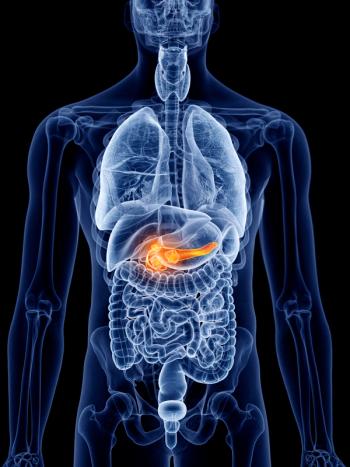
According to research conducted at Rush University Medical Center, opioid use may increase patients’ risk of developing pancreatic cancer.

Verdinexor tablets are available only by prescription, and can be administered at home.
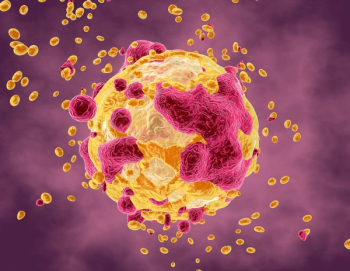
The FDA has granted fast track designations to cavrotolimod (AST-008) for use in combination with a PD-1 therapy in patients with locally advanced or metastatic Merkel cell carcinoma.
The Association of Community Cancer Centers offers virtual learning series.
Pvsripo is a novel immunotherapy that activates patients’ innate and adaptive immune system to enable anti-tumor response and establish immunologic memory to prevent the recurrence of cancer.
Darolutamide led to a 31% reduction in the risk of death, extending survival for patients with non-metastatic prostate cancer.

FDA approves request submitted by Moleculin Biotech, Inc. for rare disease designations to be granted their drug candidate that appears to directly elicit tumor cell death and prompt the immune system to eliminate tumors.
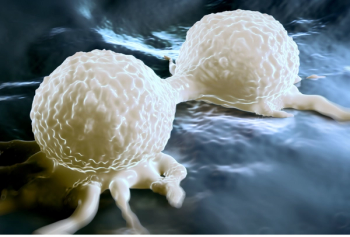
Pharmacy Times®, the leading multimedia resource for pharmacy professionals, adds the Association of Community Cancer Centers to its Strategic Alliance Partnership program.

Socioeconomic and racial health disparities contribute to worse cancer and COVID-19 outcomes.

According to the study authors, previous small studies suggested that women taking statins may have less heart muscle damage from these types of chemotherapy, yet the exact mechanisms of how statins protect against the cardiac cell damage remains unknown.
The FDA has granted a breakthrough therapy designation to tiragolumab for use in combination with atezolizumab (Tecentriq) in the frontline treatment of patients with metastatic non­–small cell lung cancer.

Chronic, low-level inflammation is one of the main causes of the diseases associated with obesity. For this reason, researchers investigated which cell type was responsible for triggering inflammation in fat tissue.
This study points to the potential for using CAR T-cell therapy effectively against solid tumors, as well, according to the authors.

Analysis demonstrates affordable access to care may be a factor in patient outcomes
The FDA has granted a fast track designation to an investigational antibody-drug conjugate for use as a monotherapy in the treatment of patients with advanced or metastatic HER2-positive breast cancer.