

Panelists discuss pharmacist involvement in effective management, including disease burden and quality of life.
Panelists discuss pharmacist involvement in effective management, including disease burden and quality of life.
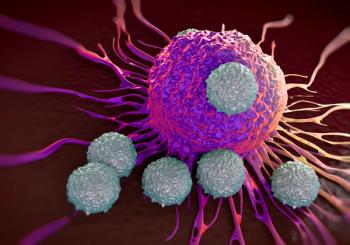
Triplet combination demonstrates a reduction in the risk of disease progression or death in individuals with previously untreated advanced intermediate- or poor-risk renal cell carcinoma.

Researchers have identified hydroquinine as a potential treatment against drug-resistant bacteria, which can cause infections with a 70% mortality rate.

Many health care systems use these products to provide similar but cheaper clinical outcomes.

Research suggests that subcutaneous insulin aspart is a cost-effective and accessible treatment option that could allow children with type 1 diabetes to avoid the ICU after a mild episode of diabetic ketoacidosis.

Therapy shows positive clinical efficacy and favorable tolerability as a monotherapy and in combination with cetuximab in heavily pretreated patients who have a KRASG12C mutation.
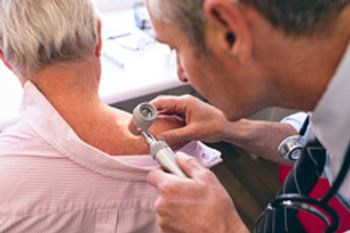
New research presented at ESMO Congress found that certain patients with advanced melanoma administered a combination of cemiplimab with fianlimab experienced a median progression-free survival of 2 years.

Excess drinking is a major atrial fibrillation risk factor in young people.
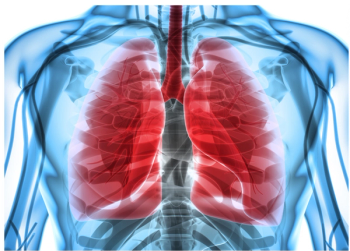
Researchers at the European Society for Medical Oncology Congress presented findings that show osimertinib may clinically reduce the risk of lung cancer recurrence.

Research suggests that rucaparib can increase progression-free survival by more than a year in women with advanced ovarian cancer.

Trastuzumab deruxtecan produces a confirmed objective response rate of 53.8% and 42.9% in the 5.4 mg/kg arm and 6.4 mg/kg treatment arms, respectively, among patients with HER2 mutant non-small cell lung cancer.
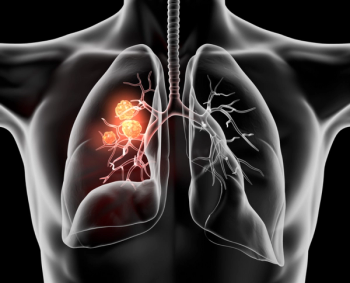
An estimated 31.4% of individuals with non-squamous non–small cell lung cancer treated with the combination were alive at 3 years compared to 17.3% for those on chemotherapy alone.
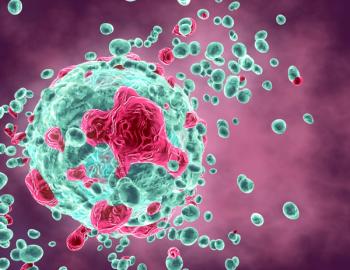
Results demonstrated a 64.5% confirmed objective response rate in patients treated with the investigational combination.

Ribociclib with endocrine therapy was found to increase the median overall survival of patients with HR+/HER2- advanced breast cancer with visceral metastases to nearly 5 years.

Data presented at the 2022 ESMO congress show poziotinib has high activity in both treatment-naïve and previously treated patients with non-small cell lung cancer.

Case report describes severe complications from spontaneous bladder rupture caused by herpes zoster-associated urinary retention.

Asceniv is a plasma-derived polyclonal IVIG drug product designed to prevent serious bacterial infections in patients with primary humoral immunodeficiency disease.

New results presented at the 2022 ESMO conference reinforce the potential of rucaparib as a first-line maintenance treatment option in a broad population of patients with ovarian cancer.

Pharmacy Times spoke with Carina Dolan, PharmD, Editor in Chief of the Pharmacy Market Outlook, about the highlights and the big picture moving forward for hospitals and health systems.

Data presented at the European Society for Medical Oncology Congress showed that sotorasib increased progression-free survival to 1 year in 25% of patients with KRAS G12C-mutated non-small cell lung cancer.

Researchers expect to file for FDA approval within the year following the successful phase 3 trial.

Receiving 3 doses of the COVID-19 vaccine can offer better and more long-lasting protection against the Omicron variant.
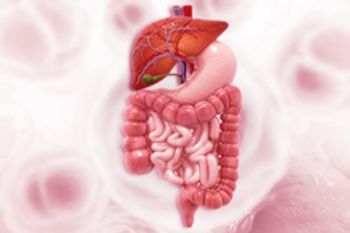
Fruquintinib reduced the risk of death in patients with advanced metastatic colorectal cancer by 34% and led to longer overall survival than among those given placebo.
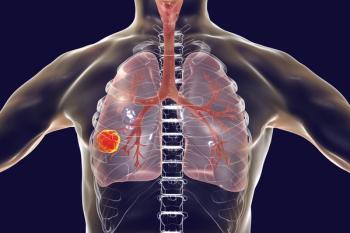
Sunvozertinib is an oral, potent EGFR exon20ins inhibitor with wild-type EGFR selectivity.

But the 2021 modifications to the US Preventive Services Task Force recommendations do not eliminate the inequalities, analysis shows.

The findings also indicate that that treatment may have protective CV and limb benefits for those with kidney failure and concomitant peripheral artery disease.

Viral antigen levels in blood plasma can provide clinically important patient outcomes among hospitalized patients with COVID-19.

Prescription drug monitoring programs have decreased prescription opioids in the United States but resulted in unintended spikes of illegal drug use and heroin-related deaths.
The percentage of infections, hospitalizations, and deaths that were prevented from COVID-19 vaccination increased with greater vaccine coverage, according to a recent study.

Study suggests that myeloma patient survival after BCMA-targeted T-cell therapy could be determined by microenvironment factors.