

Pharmacists ensure responsible antibiotic use, combating resistance through tailored therapies.
Pharmacists ensure responsible antibiotic use, combating resistance through tailored therapies.

At the start of 2025, 590 drug prices changed, with only 7 drugs seeing decreases in wholesale acquisition costs (WAC).

A series of patient cases demonstrates the potential harm that patients with chronic inflammatory demyelinating polyneuropathy (CIDP) may face when transitioning from intravenous immunoglobulin (IVIG) to FcRn therapy.

The international cohort study evaluated the safety, efficacy of BCMA-targeting agents ciltacabtagene autoleucel and idecabtagene vicleucel.

Investigators found that the polypill treatment improved cardiovascular disease and lowered health care costs.

KN026 is a humanized bispecific antibody that targets and binds to HER2 proteins on the surface of cancer cells.

Esketamine targets glutamate, the most abundant neurotransmitters in the brain.
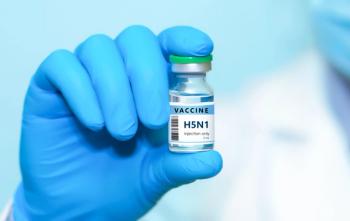
As H5N1 bird flu outbreaks impact all 50 states, concerns grow over its spread to humans.

Jennifer Clements, a clinical professor and the director of pharmacy education at the University of South Carolina, discusses the pharmacists role in diabetes care.

The closure of Baxter’s North Cove facility has significantly impacted existing IV fluid shortages into 2025.

The authors found that humidity, cold and heat waves, and air pollution led to a higher likelihood of asthma- and chronic obstructive pulmonary disease (COPD)-related hospitalizations.
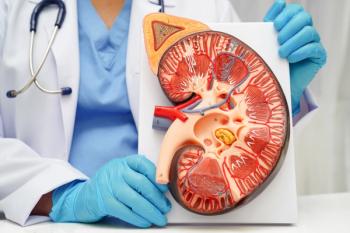
The reduction in cardiovascular end points and the increase in adverse events observed in a clinical trial were largely transportable to trial-eligible chronic kidney disease (CKD) populations from clinical practice.

Farah Towfic, PharmD, MBA, RPh, explains the importance of USP's expert volunteer recruitment, particularly among pharmacists, to help create public quality standards, promote health literacy, and support initiatives, with applications open until March 13, 2025, for the next strategic cycle beginning July 1, 2025.

Palbociclib is an oral CDK4/6 inhibitor that was approved by the FDA in 2017.
The report from the Office of Inspector General highlights inconsistencies, lack of transparency, and the need for stronger safeguards.
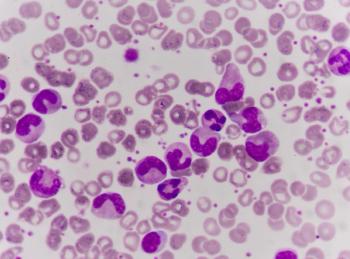
Admissions to the hospital for fever were reduced in pediatric patients with medium-risk ALL receiving intravenous immunoglobulin, a potentially useful finding to help prevent infections in vulnerable patients.

Christopher Herndon, PharmD, BCACP, FASHP, FCCP, CPE, discusses the upcoming BPS pain management certification launching in late 2025, its role in validating pharmacist expertise.

Data from the CodeBreaK 300 trial supported the FDA's approval.

As per the Inflation Reduction Act, the negotiations with the drug companies of the 15 drugs will occur in 2025, with the negotiated prices going into effect in 2027.
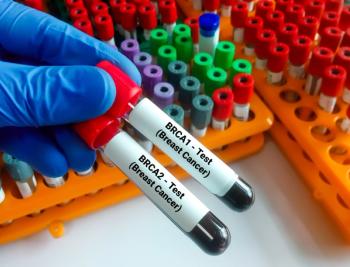
Hormonal contraceptives did not increase breast cancer risk in patients with BRCA2 mutations.

The current approved dose of axatilimab-csfr is 0.3 mg/kg up to a maximum dose of 35 mg and will be administered as an intravenous infusion over 30 minutes every 2 weeks.

Farah Towfic, PharmD, MBA, RPh, discusses how US Pharmacopeia helped to strengthen supply chain resilience in 2024 through data-driven insights, policy advocacy, and pharmacist engagement to address prolonged drug shortages, particularly for generic sterile injectables.

The combination yields promising results but was associated with high incidence of toxicity and infection.

However, investigators also find that the combination did not meet the primary end point of increasing progression free survival.

The finding could help better treat patients with long COVID, as pharmacists and treatment providers can look out for ME/CFS symptoms.



Radon is a tasteless, odorless radioactive gas associated with DNA damage and high genomic tumor instability.

Jim Dente of Advanced Pharmacy Solutions emphasizes the growing role of automation, artificial intelligence, and patient-centric business models in streamlining operations, improving patient care, and addressing industry challenges such as staff burnout and medication errors.

Severe alcohol-associated hepatitis has limited effective pharmacological therapies, emphasizing the need for treatment options.