

Ribociclib was found to prolong overall survival and improve post-progression outcomes in patients with HR-positive/HER2−negative advanced breast cancer, particularly among younger patients with a significant unmet need.
Ribociclib was found to prolong overall survival and improve post-progression outcomes in patients with HR-positive/HER2−negative advanced breast cancer, particularly among younger patients with a significant unmet need.
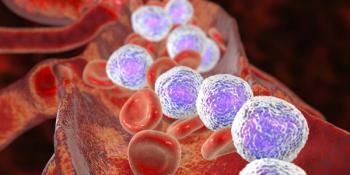
Results from the LOTIS-2 and LOTIS-3 trials show durable responses and a manageable toxicity profile among patients with both diffuse large B-cell lymphoma and mantle cell lymphoma treated with loncastuximab tesirine-lpyl (Zynlonta).

Community pharmacy teams can help reduce hospitalizations through the provision of medication reconciliation, which adjudicates discrepancies such as therapeutic omissions, duplications, dosing errors, drug interactions, and unintentional therapeutic changes.

The investigators said that although pneumococcal vaccines were known to reduce severe cases of childhood pneumonia, no studies from Asia had measured their efficacy until now.

According to the authors of the KEYNOTE-826 trial results, this is the first anti-programmed death receptor-1 (PD-1)/PD-L1 therapy to demonstrate improvements in OS and PFS that were clinically meaningful and statistically significant regardless of PD-L1 status.

Patients who received non-opioid prescriptions were more likely to report having no pain in the first week after surgery than those who received opioids and both groups reported equal levels of satisfaction.
Primary results from the randomized portion of the INVICTUS study had previously shown that ripretinib was able to significantly improve progression-free survival with a clinically meaningful overall survival benefit in patients with advanced gastrointestinal stromal tumor.

The FDA also approved dabigatran etexilate oral pellets for the prevention of recurrent clots in patients aged 3 months to less than 12 years of age who have completed treatment for their first venous thromboembolism.

Suzanne Soliman, PharmD, BCMAS, and Sally Arif, PharmD, BCPS, BCCP, discuss how the COVID-19 pandemic has impacted women in the pharmacy field.

In the ZUMA-5 cohort, 94% of patients achieved a response compared to 50% of patients in the control cohort with an odds ratio of 16.2.
Xembify (immune globulin subcutaneous human–klhw) is a 20% immune globulin indicated for treatment of primary humoral immunodeficiency disease in patients 2 years of age and older.

Previous trials in non-hospitalized patients with COVID-19 suggested casirivimab and imdevimab reduced viral levels, shortened the time to resolution of symptoms and significantly reduced the risk of hospitalization or death.

Coordinating complex care plans can involve many care team members and even different pharmacists in both health system and retail environments.

The trial, in phase 3, is the first to report data comparing a neoadjuvant anti-HER2 based regimen with or without the anti-PD-L1 antibody, atezolimumab, in patients with high-risk, HER2-positive early breast cancer.
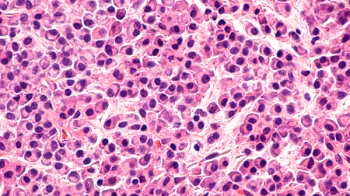
Pharmacists can educate patients about a pair of new treatment options for multiple myeloma approved by the FDA in March 2021.

These financial challenges can include difficulty paying medical bills or the inability to pay them at all, high financial distress, cost-related medication non-adherence, food insecurity, and delayed or foregone care due to cost.

Pharmacists can implement several recommendations into their practice, regardless of the setting.

Earlier this year, the FDA granted accelerated approval to tepotinib (Tepmetko, EMD Serono Inc) for the treatment of adults with metastatic non-small cell lung cancer who are harboring MET exon 14 skipping alterations.

Intravenous immunoglobulin is a cornerstone in autoimmune disease treatment.

The findings showed that 63 of the 9119 patients with severe COVID-19 infection contracted the virus a second time, with an average reinfection period of 116 days.

Positive topline results have been published from a phase 3 trial assessing the CD-19 directed CAR T cell therapy lisocabtagene maraleucel as a second-line treatment in adults with relapsed or refractory LBCL.

Specialty medications should not be defined by their cost and should instead be defined by their efficacy.

Phase 2 clinical trial results assessing sotorasib in previously treated patients with NSCLC showed that the drug presented a median OS of 12.5 months among 124 patients.

The findings led to the FDA accepting the supplemental Biologics License Application and Priority Review designation for treatment, according to a Gilead press release.

Avapritinib is approved for adult patients with advanced systemic mastocytosis, including individuals with aggressive systemic mastocytosis, systemic mastocytosis with an associated hematological neoplasm, and mast cell leukemia.
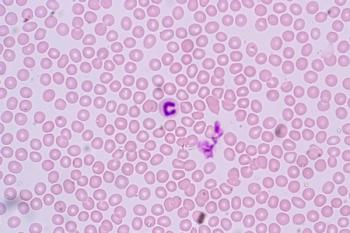
Updated research offers an additional 2 years of follow-up data and statistics on treatment with a combination of ibrutinib and venetoclax in patients with chronic lymphocytic leukemia.

A lower antibody response found in one-fourth of patients taking methotrexate does not necessarily mean that these patients are not protected against COVID-19.
Results from part A of a phase 3 trial showed sutimlimab caused patients to experience a rapid and sustained inhibition of C1-activated hemolysis in patients with cold agglutinin disease.

Researchers observed the structure of a lethal toxin produced by certain strains of Clostridium difficile bacteria.

New protocol for processing saliva samples with a bead mill homogenizer before real-time PCR testing has shown higher sensitivity to COVID-19 than nasopharyngeal swab testing