

The investigators noted that the levels of islatravir in peripheral blood mononuclear cells remained above the efficacy pharmacokinetics threshold for PrEP for both doses studied (60 mg and 120 mg) for 8 weeks following the last study dose.
The investigators noted that the levels of islatravir in peripheral blood mononuclear cells remained above the efficacy pharmacokinetics threshold for PrEP for both doses studied (60 mg and 120 mg) for 8 weeks following the last study dose.

Selexipag tablets were first approved by the FDA in 2015 to delay disease progression and reduce the risk of hospitalization for PAH.

The study demonstrated robust time and dose-dependent lowering of tau protein in cerebrospinal fluid (CSF) over the course of the 3-month treatment period.

Investigators estimated that globally, 4.1% of all new cancer diagnoses in 2020 were attributable to alcohol consumption.

On average, those who received a flu-like diagnosis changed their cell phone usage behavior 1 day before their diagnosis and the 2 to 4 days afterward.
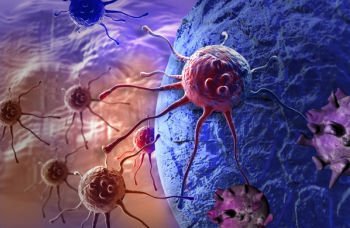
A decrease in cancer-associated macrophage-like cells was associated with an approximately 300% increase in mean progression-free survival.
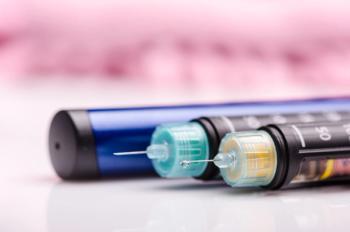
Insulin glargine-yfgn is the first interchangeable biosimilar product for the treatment of diabetes approved in the United States, which can provide patients with alternative, equally effective options for treating diabetes that could be more cost effective.

Workflow in the clinic and the pharmacy are critical for the implementation of a new and novel medication therapy, such as cabotegravir-rilpivirine.

Chad Hatfield, PharmD, MHA, BCPS, chief pharmacy officer at UC Davis Medical Center, discusses how data points used in oncology pharmacy practice and how it is collected.

A majority of pharmacy departments are presently conducting safety huddles within their teams.

Both researchers received $30,000 to fund projects that demonstrate the ways that new and emerging technologies can assist in the safe and effective use of medications.

The open label trial was available to patients 18 years of age and older with relapsed or refractory DLBCL after 2 or more lines of treatment.

Bezlotoxumab is administered to prevent Clostridium difficile infection from recurring in patients who are receiving treatment for the infection and are at risk for recurrence.
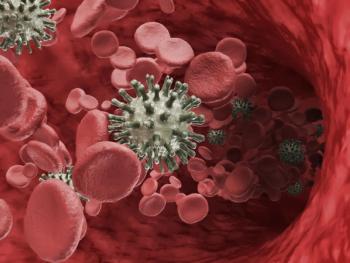
A pooled analysis of a 48-week open-label extension of a pair of phase 3 studies found that 99% of patients with HIV who initiated treatment using bictegravir 50 mg/emtricitabine 200 mg/tenofovir alafenamide 25 mg tablets maintained an undetectable viral load through 4 years of follow-up.

Pembrolizumab demonstrated a statistically significant and clinically meaningful improvement in OS for patients whose tumors expressed PD-L1 with a combined positive score ≥10 compared to chemotherapy alone, according to the study.
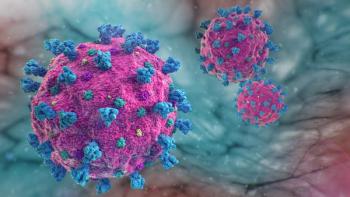
Officials with the CDC updated their COVID-19 guidelines today, urging that vaccinated individuals in areas of substantial and high transmission wear masks in public indoor spaces, including schools, in order to prevent the spread of the Delta variant.
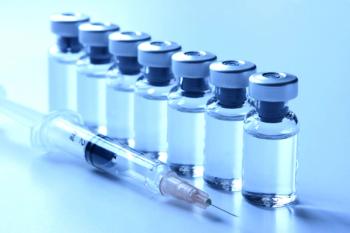
The clinical trial expansion is part of efforts to detect potential adverse effects in children, such as heart inflammation problems.

According to the investigators, this discrepancy remains even if the individual reported symptoms of heart failure during a routine outpatient health care appointment within the past 6 months.

Theresa McArdle, MBA, senior brand marketing manager at Pharmavite, to discuss new survey data that showed a decline in self-care among pharmacists coming out of the COVID-19 pandemic.

The combination of pembrolizumab and chemotherapy marks the first immunotherapy regimen approved for patients with high-risk early-stage triple-negative breast cancer.

Pharmacy Times interviewed Craig Freyer, PharmD, BCOP, and Andrew Lin, PharmD, BCOP, to discuss the updates in the prevention and treatment of cytokine release syndrome and neurologic toxicities for patients with multiple myeloma.

According to the investigators, treatment with ruxolitinib resulted in a significant improvement in ORR after 24 weeks, with an ORR of 49.7% in the ruxolitinib arm compared to 25.6% in the best available therapy arm.

Two of the studies also found that patients with COVID-19 who received remdesivir had a significantly increased chance of discharge from the hospital by day 28.

The drug also resulted in zero cases of virologic failure and no development of resistance in virologically suppressed adults with HIV-1 who have not previously experienced virologic failure.

One dose of AstraZeneca’s COVID-19 vaccine (Vaxzevria) was 82% effective against hospitalization or death caused by either the Beta or Gamma variants of the SARS-CoV-2 virus, according to data from the Canadian Immunization Research Network, currently published as a pre-print.

The research team noted that although HCL has a good prognosis for the majority of patients, a small population will develop variants of the disease do not respond well to existing FDA-approved therapies or cannot tolerate the adverse effects of established therapies.

Joint statement released supporting belief that COVID-19 vaccines are the logical fulfillment of the ethical obligation of all health care workers to put their patients first.

According to a press release from Saniona, Tesomet is the first and only investigational treatment for HO to receive orphan drug designation.

Axicabtagene ciloleucel (Yescarta) received accelerated FDA approval on March 5, 2021, for the treatment of adult patients with relapsed or refractory FL after 2 or more lines of systemic therapy.

Consider key elements of acute bacterial skin and skin structure infection to help patients manage this broad range of diseases.