

Norman Lepor, MD, a cardiologist and clinical investigator in the phase 3 clinical program for inclisiran, discussed the trial results assessing the efficacy and safety of inclisiran for patients with atherosclerotic cardiovascular disease.
Norman Lepor, MD, a cardiologist and clinical investigator in the phase 3 clinical program for inclisiran, discussed the trial results assessing the efficacy and safety of inclisiran for patients with atherosclerotic cardiovascular disease.

Shreejit Nair, senior vice president and life sciences market business lead at CitiusTech, discusses what data interoperability is and what it looks like within a pharmacy context.

Drug manufacturers participating in Medicaid offer lower prices, stretching resources and providing comprehensive services to more patients.

While progress is being made to advance the Cures Act, it is essential to ensure pharmacy interoperability given pharmacy’s critical role in health care.

The sBLA is reinforced by results from a randomized phase 3 trial that investigated cemiplimab-rwlc in combination with a physician’s choice of platinum-doublet chemotherapy compared to platinum-doublet chemotherapy alone.

The researchers projected that approximately 14 participants would experience a significant worsening of their walking function, however, only 8 participants had their walking function decline.

One viral protein could provide information to deter pneumonia causing the body’s exaggerated inflammatory response, new study results show.

Did trial court judge err when dismissing the lawsuit without direct evidence of plaintiff’s claim?

IMX-110 is a tissue-specific therapeutic designed to accumulate at intended therapeutic sites at 3 to 5 times the rate of conventional therapeutics.
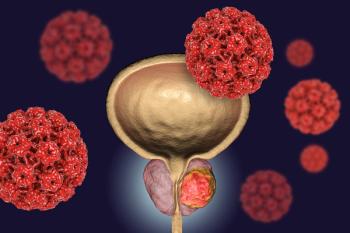
The phase 3 ARASENS trial is the only study prospectively designed to evaluate an androgen receptor inhibitor combined with docetaxel and androgen deprivation therapy in this patient population.

With shifts in health care moving toward AI and automation, issues relating to how these innovations may impact patient safety continue to emerge.

Results from multiple studies show that the effectiveness of nirmatrelvir, the active main protease inhibitor of Paxlovid is maintained.

Ending the COVID-19 pandemic requires an understanding of how to manage the inflammatory dysfunction that the virus causes.

Agency green light could help get medication off ASHP drug shortage list by reducing supply issues.

The FDA has approved zanubrutinib (Brukinsa, BeiGene) for the treatment of adults with Waldenström macroglobulinemia (WM).

The findings from the phase 3 KEYNOTE-091 trial mark the first positive study for pembrolizumab in adjuvant stage IB-IIIA non-small cell lung cancer.

Amy Summers, consultant at Restore Health Consulting, discusses the proposed changed to the USP 795 and 797.

Evaluating the need to define and standardize how quality can be measured in pharmacy.

Approximately 400,000 women undergo breast implant surgeries each year in the United States, and selecting an implant is an important and personal part of the process.

Study results show health plans paid most of the drug costs, despite the lack of effect seen on COVID-19.

The World Health Organization issues a strong recommendation for baricitinib and a conditional one for sotrovimab.

Trastuzumab deruxtecan is a HER2-directed antibody drug conjugate being developed by both AstraZeneca and Daiichi Sankyo.

Monoclonal antibodies and emerging agents may avert severe illness, especially for high-risk individuals.

The Microbiome Health Index for post-Antibiotic dysbiosis was developed to improve the understanding of and manage the risks associated with antibiotic administration.

Pharmacies should address situations in which multiple bottles of tablets are used to refill a cassette.

The findings could help clinicians tailor the use of early antibiotics in newborns because only infants deemed at risk for infection should receive antibiotics.

Fostemsavir (Rukobia) is indicated in combination with other antiretroviral medications in heavily treatment-experienced adults with multidrug-resistant HIV-1 infection.

A new analysis suggests that boosters can provide ongoing prevention of death and hospitalization.

Tisotumab vedotin-tftv is used as antitumor therapy for patients with disease progression during or after chemotherapy.

The observed increase in patient age at the time of relapse makes the findings even more impressive because longer survival is typically associated with younger age at the time of relapse.