

Pharmacy technicians and pharmacy technician leadership from UPMC Presbyterian discuss what being a Black health care workers means to them.
Pharmacy technicians and pharmacy technician leadership from UPMC Presbyterian discuss what being a Black health care workers means to them.

Although antibiotics are an effective treatment option, evidence indicates that fecal microbiota transplant holds promise in treating refractory or recurrent C difficile infections.

A patient’s neurological symptoms diminished when he discontinued a biosimilar and started various new treatments.

Donna Ryan, MD, discussed her presentation about pharmacological approaches for obesity, which patients they are indicated for, and considerations for pharmacists.
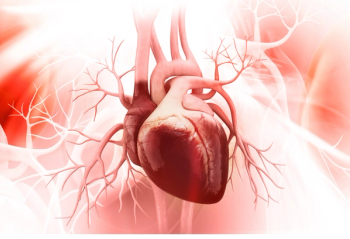
The 2022 American Heart Association, American College of Cardiology, and Heart Failure Society of America guidelines recommend SGLT2 inhibitors for nearly all patients in cardiovascular practice.

Because of the complexities of cardio-oncology medication regimens, pharmacists are vital to assess drug-drug interactions using multiple resources, such as databases, case reports, FDA and National Institutes of Health guidelines, and package inserts.
Indication for abemaciclib (Verzenio; Eli Lilly and Company) in combination with endocrine therapy expanded for the adjuvant treatment of adults with hormone receptor–positive, human epidermal growth factor receptor 2-negative, node-positive, early breast cancer with a high risk of recurrence.

Findings from the AFFIRM trial found increased risks after stopping oral anticoagulant therapy after rhythm control, and the same is true for stopping treatment with oral anticoagulants after successful ablation.

The immunological efficacy of the 13-valent conjugate pneumococcal vaccine followed by 23-valent polysaccharide vaccine has been poorly documented in adult patients with sickle cell disease.

Cross-border collaborations are the way forward to make life-saving treatments more affordable and accessible to patients with rare diseases around the world.

Pharmacists are essential health care team members who can be empowered to help initiate fixed-dose combinations, according to an expert panel at the American College of Cardiology 2023 Scientific Session.

Atrial fibrillation and atherosclerotic cardiovascular disease are frequent challenges among patients with cancer.

Bempedoic acid is indicated as an adjunct to diet and maximally tolerated statin therapy for adults with heterozygous familial hypercholesterolemia or established atherosclerotic cardiovascular disease who require additional lowering of low-density lipoprotein-cholesterol.

In addition to the hundreds of sessions and events, ACC has partnered with the World Heart Federation, bringing an international focus to the meeting.

Patients with atherosclerotic cardiovascular disease who were already receiving statin therapy had a reduction in adverse cardiovascular outcomes with earlier initiation of evolocumab.

In part 1 of this panel discussion, experts address how they define traditional versus nontraditional oncology pharmacy roles today, as well as the benefits and drawbacks of pursuing such a career path based on their experience.

This action is of considerable significance as it supports the regulation of cannabis and cannabis-derived products as medicine under the Federal Food, Drug and Cosmetic Act.

American College of Cardiology President Edward Fry, MD, FACC, discussed what attendees can look forward to at the 2023 Scientific Sessions.
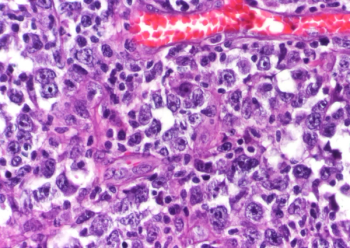
At 36 months, the overall survival rate of patients with relapsed/refractory B-cell acute lymphoblastic leukemia administered brexucabtagene autoleucel was 47.1%, with a median overall survival of 26 months.

The efficacy of 2 doses against Omicron infection was highest when the second vaccine dose was given in the third trimester of pregnancy compared with the first or second trimesters.
Sarah Gray, BPharm, an integrative nutritionist and the Nutrition Pharmacist, discusses the importance of National Nutrition Month.

The approach was based on previous research suggesting that foods rich in carotenoids, lycopene, certain B vitamins, and omega 3 fatty acids improved fatigue in survivors of breast cancer.

Investigators noted medication prescription disparities among patients with dementia despite factoring for age and sex.

Broad and successful implementation of technologies in complex health systems presents challenges, but is essential.

The partnership to deliver HIV medications will reduce transportation and access barriers for patients, especially in underserved communities.
Due to the success of mRNA technology with COVID-19, there has been a significant increase in research looking into utilizing mRNA technology, and more specifically, how it can help to advance vaccine development.
The 10 mL ready-to-administer pre-filled syringe in the first FDA-approved pre-filled syringe in this dosing size.
The inaugural Oncology Pharmacists Connect is directed toward pharmacists practicing in oncology in multiple practice environments.
Nivolumab met its primary endpoint of recurrence-free survival, reducing the risk of recurrence or death by 58% versus placebo in patients with completely resected stage 2B or 2C melanoma.
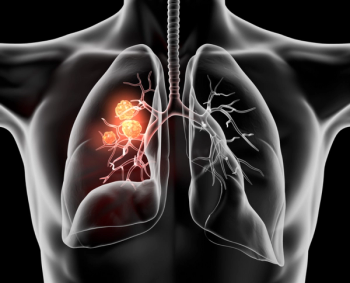
Pembrolizumab showed statistically significant improvement in the event-free survival of patients with resectable stage 2 or 3 non-small cell lung cancer.