

The expanded instructions for use labeling expand on the Farawave and Farawave Nav Pulsed Field Ablation (PFA) catheters.
The expanded instructions for use labeling expand on the Farawave and Farawave Nav Pulsed Field Ablation (PFA) catheters.

This designation is significant because there are no FDA-approved treatments for transplant recipients with or preventing antibody-mediated rejection (AMR).

FDA fast-tracks TRE-515 for advanced prostate cancer, combining it with radiation therapy to enhance treatment outcomes and patient care.

Previously indicated to reduce the risk of end-stage kidney disease, cardiovascular death, and hospitalization for heart failure (HF) in chronic kidney disease, finerenone is now approved for patients with HF directly, offering a new treatment option.

Dalpiciclib combined with endocrine therapy significantly enhances progression-free survival in HR+/HER2– breast cancer, as shown in the DAWNA-A trial.

Obesity and high-fat diets enhance the aggressiveness of triple-negative breast cancer through exosome-mediated mechanisms, revealing new therapeutic targets.

New research highlights the lower infection risk with zanubrutinib compared with venetoclax in CLL/SLL treatment, offering safer options for patients.

The 2025 National Lipid Association (NLA) Scientific Sessions highlighted a strategic shift toward early, aggressive cardiometabolic intervention, underscoring the vital role of pharmacists in implementing emerging therapies and optimizing cardiovascular risk reduction.
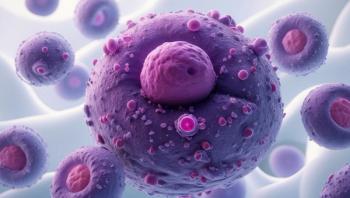
New data reveal isatuximab-based therapy achieves high MRD-negativity rates in newly diagnosed multiple myeloma.

Understanding RSV’s impact on respiratory and cardiovascular health underscores the importance of holistic management, prevention through vaccination, and continued innovation in treatment strategies.

Research reveals that combining radiotherapy or immune-modulating drugs with CDK4/6 inhibitors enhances treatment efficacy in HR+/HER2– breast cancer.

AI is revolutionizing pharmacovigilance by enhancing data analysis, improving patient safety, and enabling proactive risk management in drug monitoring.

Experts discussed the promising future of pericarditis treatment.

Funding cuts to public health agencies threaten to worsen chronic diseases and ignite infectious disease outbreaks, straining health care systems nationwide.
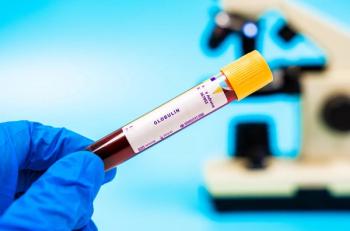
The new formulation contains little IgA, reducing possible risks associated with infusion in patients with primary immunodeficiency.

Y-90 resin microspheres offer a new option for patients with liver cancer for the treatment of unresectable hepatocellular carcinoma.

Patients with chronic kidney disease (CKD) receiving efepoetin alfa demonstrated a response rate of about 75.6%.

Serena Mitaly, PharmD, outlines how Ochsner Health is building a sustainable pharmacogenomics program by integrating clinical decision support tools into the EMR, educating providers, addressing reimbursement barriers, and expanding the role of PGx pharmacists in personalized medicine.

The data emphasize the idea that there are no safe exposure limits as well as the need for guidelines.

Andrew E. Esch, MD, MBA, discusses the need for systemic reforms to support pharmacist-led medication optimization in palliative and community-based care.
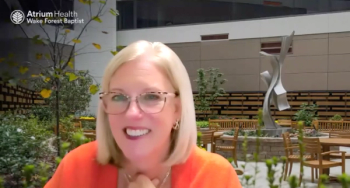
LeAnne Kennedy, PharmD, BCOP, CPP, FHOPA, discusses the new outpatient transplant program at Atrium Health Wake Forest Baptist in North Carolina.

An expert discusses the challenges of diagnosing and treating RSV in older adults and highlights the critical role of prevention.

Lung transplant recipients were found to be at heightened risk of developing secondary lung infections, including bacterial and fungal infections, due to unique risk factors.

Pharmacy leaders from Cone Health discuss how robotic compounding technologies have improved safety, accuracy, and reliability in hazardous and sterile medication preparation across oncology and acute care settings.
LeAnne Kennedy, PharmD, BCOP, CPP, FHOPA, discusses the new outpatient transplant program at Atrium Health Wake Forest Baptist in North Carolina.

The injection is indicated for the treatment of sepsis and other serious infections, enhancing treatment efficiency and patient care.

CARTITUDE-1 trial reveals cilta-cel's potential in achieving long-term remission for relapsed/refractory multiple myeloma, sparking discussions on curative possibilities.

Pharmacists can help oversee the treatment process to ensure patients with transthyretin amyloid cardiomyopathy (ATTR-CM) are adhering to tafamidis.
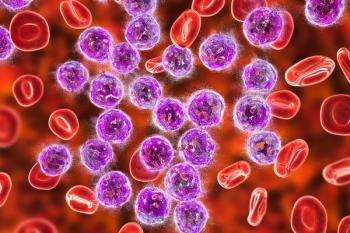
Obecabtagene autoleucel shows promising efficacy and safety in treating relapsed/refractory B-ALL, benefiting patients of all ages, including older adults.