Nearly half of all adults in the United States have hypertension, making it a critical focus for health care providers.1 This means that 1 in 2 patients who walk into the pharmacy requires support in managing their blood pressure.
When the heart pumps blood, it creates pressure against the walls of the arteries.2 This pressure is essential for moving blood through the body and delivering oxygen and nutrients to tissues and organs. If the pressure is too high (consistently ≥ 130/80 mm Hg) for an extended period, it can damage the blood vessels and organs. If left untreated, hypertension can lead to serious health problems, such as heart disease, stroke, and kidney damage. Pharmacists, who are among the most trusted and accessible health care professionals, play a crucial role in helping patients manage and maintain their blood pressure levels by educating them about available support tools, lifestyle changes, and medication adherence.
Hypertension can be caused by a variety of factors. Uncontrollable risk factors include age, family history of hypertension, and coexisting conditions such as diabetes, kidney disease, and heart disease.3 Controllable risk factors include a diet high in salts, saturated fats, and alcohol and an unhealthy lifestyle including physical inactivity and tobacco use.3 In some cases, however, the exact cause of hypertension is unknown. This type of elevated blood pressure is referred to as idiopathic, primary, or essential hypertension.4
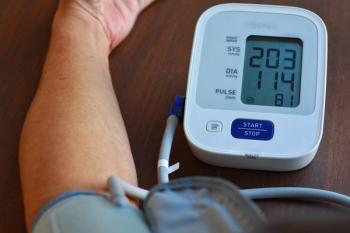
High blood pressure often has no symptoms, so individuals may not experience any significant signs.5 Those who have consistently high blood pressure may experience headaches, dizziness, blurred vision, and chest pain.4 This is why regularly tracking and monitoring blood pressure are the first key components in taking the necessary steps to maintain a healthy range. Pharmacists are instrumental in educating patients about the various blood pressure log tools available to track their readings daily.6 Many of these tools now come in the form of mobile apps, allowing users to easily record and monitor their blood pressure trends. There are traditional paper-based logs and printable charts that can be used for manual tracking; the American Heart Association and CDC both have easy-to-print log templates available on their websites.7,8 Pharmacists should assist patients in finding a logging method that suits their individual needs and preferences. Although some patients may benefit from a digital tool, others may prefer the simplicity of paper and pencil. These tools are valuable in helping individuals stay on top of their blood pressure level and supporting effective communication with their health care teams.
Along with regular monitoring, making key lifestyle changes can significantly help manage and even prevent hypertension. Counseling patients on the following lifestyle modifications can help ensure the best outcomes9,10:
- Adopt a heart-healthy diet, such as the Dietary Approaches to Stop Hypertension diet, which highlights fruits, vegetables, whole grains, and lean proteins.
- Reduce sodium intake.
- Limit alcohol consumption.
- Engage in daily physical activity (30 minutes of moderate exercise, such as walking, running, swimming, dancing, or lifting weights).
- Maintain a healthy weight.
- Manage stress through relaxation techniques such as meditation or yoga.
- Quit smoking, if applicable.
By making these changes, individuals can take proactive steps in managing hypertension and reducing their risk of serious health complications.