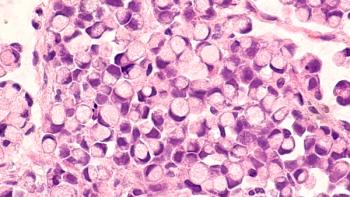
A randomized clinical trial found that dedicated oncology pharmacist care reduced adverse drug reactions among patients with hematologic malignancies.

Expert consensus highlights more than a decade of advances in screening, diagnosis, and treatment of familial hypercholesterolemia.
[Jacksonville, FL] — [Thursday, January 29, 2026] — The National Lipid Association (NLA) today released an updated expert clinical consensus on the identification, diagnosis, and management of familial hypercholesterolemia (FH), a common but frequently underdiagnosed genetic condition that dramatically increases the risk of premature atherosclerotic cardiovascular disease.
FH affects approximately 1 in 311 people worldwide and is characterized by lifelong elevations in low-density lipoprotein cholesterol (LDL-C). Despite its prevalence and severity, the majority of individuals with FH remain undiagnosed, leaving many at risk for preventable heart attacks, strokes, and early death. The updated guidance replaces the NLA’s 2011 recommendations and reflects more than a decade of advances in genetics, imaging, and lipid-lowering therapies.
“Familial hypercholesterolemia is one of the most common and dangerous genetic conditions we see, yet it remains profoundly underdiagnosed and undertreated,” said Zahid Ahmad, MD, FNLA, lead author of the document. “This updated guidance reflects more than a decade of progress in our understanding of FH and provides clinicians with practical, evidence-based strategies to identify patients earlier, screen families more effectively, and treat aggressively enough to truly change the course of disease. With the tools we have today, premature cardiovascular events in people with FH are largely preventable — but only if we recognize the condition and act.”
Key updates in the new NLA guidance include:
“This document underscores a simple but urgent message: familial hypercholesterolemia is a lifelong condition that requires lifelong attention,” said Anne C. Goldberg, MD, MNLA, Chief Science Officer of the National Lipid Association and an author of the paper. “Early diagnosis — ideally beginning in childhood — combined with sustained LDL-cholesterol lowering can dramatically reduce morbidity and mortality. The National Lipid Association’s updated guidance integrates advances in genetics, imaging, and therapy to help clinicians deliver more precise, equitable, and effective care for patients with FH across the lifespan.”
The guidance emphasizes that standard cardiovascular risk calculators significantly underestimate risk in patients with FH and should not be used to guide treatment decisions. Instead, clinicians are encouraged to rely on clinical judgment, family history, LDL-C burden over time, and appropriate imaging to inform treatment intensity.
By equipping clinicians with updated, evidence-based recommendations, the NLA aims to improve detection rates, optimize treatment, and ultimately reduce the substantial burden of cardiovascular disease associated with familial hypercholesterolemia.
The full consensus document, “Update on Familial Hypercholesterolemia: An Expert Clinical Consensus from the National Lipid Association,” is available open access in the Journal of Clinical Lipidology
A CME-accredited podcast featuring several authors of the consensus statement discussing its key updates and clinical implications is available