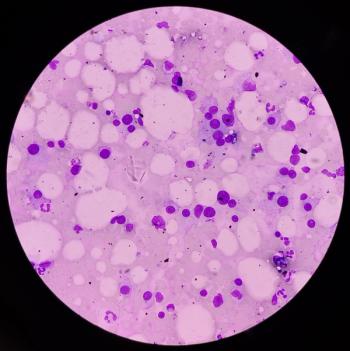
Impostor syndrome prevalence in oncology pharmacists is a complex topic that is not well described.
Cassandra Perkey, PharmD, BCOP, discusses how pharmacists support community CAR T-cell programs through SOP development, treatment planning, education, emergency preparedness, and lessons learned from treating the first patient.
In an interview with Pharmacy Times, Cassandra Perkey, PharmD, BCOP, regional clinical pharmacist at American Oncology Network, discusses the central role pharmacists play in building and operating community-based chimeric antigen receptor (CAR) T-cell therapy programs.
Perkey explains that pharmacists can contribute extensively before the first patient is treated, particularly by developing comprehensive standard operating procedures (SOPs). These documents must address both the clinical and logistical aspects of CAR T-cell therapy, including lymphodepleting chemotherapy, cell infusion, supportive care, early postinfusion monitoring, long-term follow-up, and management of treatment-related complications. Pharmacists can also help develop treatment plans within the electronic medical record to ensure medications, laboratory assessments, follow-up visits, and supportive care measures are integrated into a coordinated workflow.
Patient and caregiver education is another key responsibility. Pharmacists can teach patients and caregivers how to recognize symptoms of cytokine release syndrome and immune effector cell–associated neurotoxicity syndrome, when to contact the clinic, and when emergency evaluation is necessary. They may also create educational resources and train clinic personnel on CAR T-cell procedures, adverse event management, and emergency response protocols. Incorporating this education into annual competencies and new employee onboarding can help maintain program readiness.
Perkey also emphasizes the importance of medication preparedness, particularly ensuring adequate tocilizumab supplies to manage cytokine release syndrome. This becomes increasingly important when clinics are simultaneously treating patients with CAR T-cell therapies, bispecific antibodies, or other therapies associated with similar toxicities.
Reflecting on her team’s early experience, Perkey stresses that launching a CAR T-cell program requires a substantial upfront time commitment. Practices should expect several months for SOP development, treatment plan creation, staff training, and manufacturer approval. Clearly defining each team member’s responsibilities can prevent duplicated work and overlooked tasks. Clinics should also recognize that patients identified during the onboarding period may need to be referred elsewhere to avoid delays in timely treatment while the community program is still being established.