
Opinion|Videos|June 18, 2024
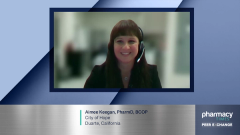
Bridging the Gap: Multidisciplinary Collaboration in Early Breast Cancer Care
The panelists share their concluding thoughts on the importance of collaboration between academic and community practices to achieve the best outcomes for their patients, which includes seeking second opinions and incorporating insights from tumor board discussions.
Advertisement
Episodes in this series

Video content above is prompted by the following questions:
- When a new eBC product is approved, what is done prior to prepare from an operational standpoint?
- Are there instances when a new eBC product is approved and it’s not worth operationalizing?
- How can academic centers work efficiently with community practices in the management of patients with eBC?
- Scimeca: How might the approval of targeted therapies affect treatment paradigms for eBC?
Advertisement
Related to this article

Garlic has a long history in traditional medicine, but evidence for its benefits varies by preparation, and patients taking medications that increase bleeding risk should use it with caution.

About 89% of Americans live within 5 miles of a pharmacy, but proximity says little about whether they can afford their medications or get real counseling.

ASRA’s cancer pain programming highlights opportunities for pharmacists to individualize opioid therapy, improve medication transitions, and connect patients with evidence-based complementary care.

The costs to patients, their families, their workplaces, and their communities go well beyond dollars and cents.

Across every setting, the pharmacist's role is to build reliable systems around patients so stroke prevention remains safe and sustainable across the care continuum.
The once-daily oral CSF-1R inhibitor was approved based on the phase 3 MANEUVER trial, which showed gains in tumor response, pain, and joint function.
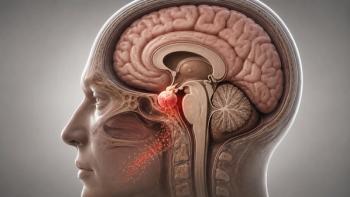
In an interview with Pharmacy Times, Thomas Hope, MD, discusses where peptide receptor radionuclide therapy fits in neuroendocrine tumor treatment and how pharmacists can support treatment coordination and follow-up care.

SCOUT-HCM data show LVOT gradient reductions persisted, patients switching from placebo responded similarly, and no patient had LVEF below 50%.
Advertisement
Advertisement
Trending on Pharmacy Times
1
Oral PCSK9 Inhibitor Enlicitide Sustains LDL-C Reductions
2
The Most Accessible Healthcare Professional—But Accessible to Whom?
3
mRNA vs Protein-Based COVID-19 Vaccines: What Pharmacists Can Tell Patients
4
Garlic: Untangling the Complexities of a “Natural” Remedy
5