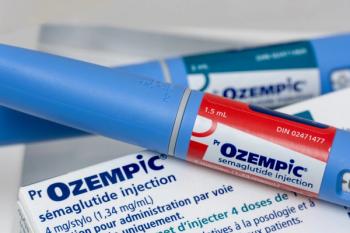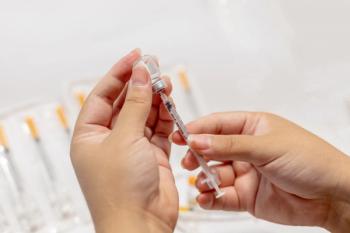
Phase 2b data from EASD 2026 show the amylin-incretin combination also cut HbA1c by up to 2.9% in adults with obesity or overweight and type 2 diabetes.
As individuals age, their nutritionalneeds change as well. Since many seniorstake prescription medications forvarious disease states, there is often thepotential for drug-nutrient interactions,thus increasing the need for vitamin supplementationfor some individuals. Currently,there are a variety of multivitaminproducts that are formulated to addressthe specific dietary needs of individuals50 and older. These multivitaminsupplements may include higherlevels of calcium, folic acid,vitamin D, vitamin E, vitamin B6, andother nutrients—but not iron, sinceindividuals 50 and older require lessiron and generally meet their ironneeds through diet alone. Examplesof these multivitamin supplementsare included in the Table.
Before recommending any vitaminsupplements to a patient, pharmacistsshould assess the patient's medical historyand medication profile to determineif there is a potential for a drug-nutrientinteraction. It is also important for pharmaciststo remind patients to take onlythe recommended dosages of these supplements,as well as to stress the importanceof adhering to a balanced diet.Pharmacists also can refer patients toregistered dietitians when warranted.
Ms. Terrie is a clinical pharmacy writerbased in Haymarket, Va.
almost 20 years ago
Preventing Rasagiline Drug Interactionsalmost 20 years ago
nacds SPEAKS OUT: Specialty Pharmaceuticals on the Risealmost 20 years ago
Strategies for Coping with Alzheimer's Diseasealmost 20 years ago
Captive at the Counter: When Robbers Take Hostages—Part 1almost 20 years ago
A Third Category? Medicines Go Behind the Counteralmost 20 years ago
Avoiding Common Dispensing Errorsalmost 20 years ago
Pharm School Receives Grant to Help with Part Dalmost 20 years ago
compounding HOTLINEalmost 20 years ago
The Pharmacist's Role in the Management of Alzheimer's Diseasealmost 20 years ago
A Challenging Path to a PharmD Degree