Evidence suggests that psilocybin-assisted therapy for those who have not responded to standard interventions may be beneficial.
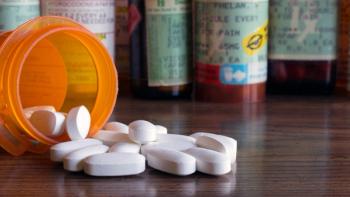
Researchers from Rutgers University set out to determine the effects when patients try to halve their doses of unscored tablets. They found that the drugs ended up differing in weight and content, thus resulting in unpredictable dosing and therapeutic response. Cyclobenzaprine hydrochloride in 10-mg tablets was used in the study; these tablets are round, film-coated, and unscored. Before splitting, the mean weight of 45 tablets was 136.6 mg +/- 2.1 mg, yielding a theoretical weight of 68.3 mg per perfectly split tablet.
The fragment weights were measured at 67.9 mg +/- 7.9 mg. The resulting weights proved that the tablet fragments, after splitting, yielded a significant difference in weight and estimated drug content. Therefore, in this particular study, dividing a 10-mg tablet of cyclobenzaprine in order to get a 5-mg dose could result in an uncertain dose level and an equally uncertain therapeutic response.
almost 22 years ago
Treatment of Patients with Atrial Fibrillationalmost 22 years ago
Understanding and Managing Polypharmacy in the Elderlyalmost 22 years ago
Counterfeit Drugs: A Real Cause for Alarmalmost 22 years ago
New Treatments on the Way for Diabetes-Part 1almost 22 years ago
Effective Counseling for Patients with Hypertensionalmost 22 years ago
Preventing and Managing Thrombosis with Anticoagulantsalmost 22 years ago
RxPRODUCT NEWS: PROFILE: Cardizem LA (diltiazem hydrochloride)almost 22 years ago
Staying Well with Herbs and Vitaminsalmost 22 years ago
Health Professional Imposters-Part 1