Evidence suggests that psilocybin-assisted therapy for those who have not responded to standard interventions may be beneficial.
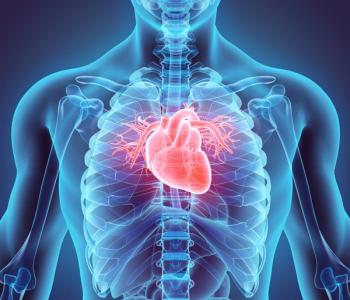
The National High Blood Pressure Education Program has written new guidelinesfor checking children's blood pressure. Federal guidelines suggestedchecking children for possible heart and blood vessel damage if they havehypertension. The updated guidelines, reported in Pediatrics (July 2004), encouragedphysicians to begin checking children for high blood pressure at age3 during routine office visits, just as they do for adults.
Factors for the increasing high blood pressure among children include obesity,less physical activity, and dietary chnages. The most current health statisticsindicated that children's blood pressures have increased slightly but significantlyin a decade. For example, average systolic pressure has risen from 105 to106, and diastolic has gone from 58 to 62.
about 22 years ago
Fluoroquinolones: Focus on Safetyabout 22 years ago
Computer Retrains Kids to Eat Properlyabout 22 years ago
"Importation" of Prescription Drugsabout 22 years ago
Courts Wrestle with Overtime Pay for Pharmacistsabout 22 years ago
COMPOUNDING HOTLINEabout 22 years ago
Clinical Update on the Treatment of Constipation in Adultsabout 22 years ago
Texas Hospital Installs Omnicell Technologyabout 22 years ago
Happy Harry's Installs Robotic Dispensing Systemsabout 22 years ago
Medicare Recognizes Obesity as Illnessabout 22 years ago
Gastric Bypass Causes Drop in Appetite Stimulation