

With many different classes of medications used in the treatment of major depressive disorder, pharmacists can have a significant impact on patients' lives, from counseling on medications to assisting with finding the right medication.
With many different classes of medications used in the treatment of major depressive disorder, pharmacists can have a significant impact on patients' lives, from counseling on medications to assisting with finding the right medication.
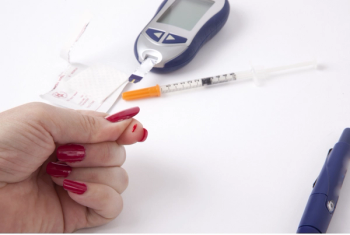
When diabetes is uncontrolled, higher percentages of hemoglobin become glycated, which causes elevated HbA1c and glucose levels to rise within the body.

Some of the most frequently noted biotin interferences are with immunoassays for thyroid markers, high-sensitivity cardiac troponin, and N-terminal pro-brain natriuretic peptide.

Chronic hypertension during pregnancy increases the risk of poor pregnancy and birth outcomes.

An expert panel led by moderator Dr. Cunningham identify substance use disorder, COVID-19’s role, and opportunities for pharmacists to help patients with resources for recovery.

Risankizumab-rzaa is the first and only specific IL-23 inhibitor approved to treat moderately to severely active Crohn disease in adults.
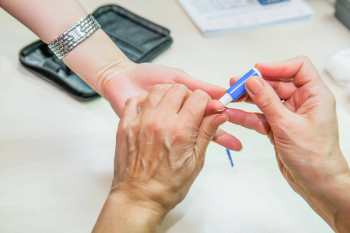
Meta-analysis of randomized controlled trials adds to growing evidence around certain antihypertensive drug classes showing promise for primary or secondary prevention of diabetes.

Globally, more than 40 million patients are currently taking an ACE inhibitor, primarily for the treatment of high blood pressure and heart failure.
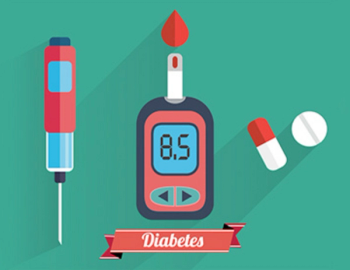
American Diabetes Association updates recommendations regarding SGLT-2 inhibitors, GLP-1 RA, and finerenone for cardiovascular and renal comorbidities.

Jeff Betcher, BSPharm, MBA, director of pharmacy at Mayo Clinic in Arizona, discusses how automated chemotherapy dose rounding can help decrease drug waste and cost.

Health systems must have a flexible workflow in place to allow the use of non-preferred agents to accommodate payer demands and reduce financial toxicity.

Pharmacy workflow changes in the preparation of chemotherapy products can reduce patient chair time.