
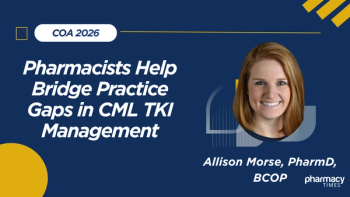
Pharmacists can help optimize TKI therapy in CML through education, adherence support, toxicity monitoring, and collaboration with care teams.
Pharmacists can help optimize TKI therapy in CML through education, adherence support, toxicity monitoring, and collaboration with care teams.
Alex Wolff, PharmD, BCOP, FHOPA, explains how patient populations, delivery models, and safety risks shape real-world implementation.
Pharmacists and clinicians share strategies to streamline training, collaboration, and patient care with BTCEs.
Disease burden, monitoring strategy, and timing of therapy drive CRS risk and management.
Experts detail the workflows and decisions behind launching complex bispecific therapies.
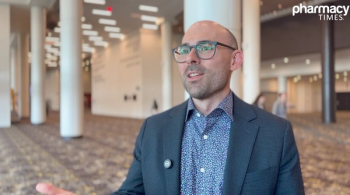
Multicenter data suggests dexamethasone may safely replace tocilizumab for low-grade CRS.
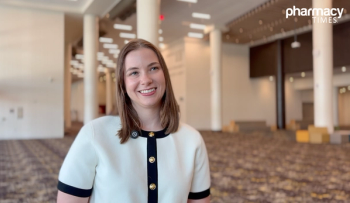
A dual-center retrospective study compares 2 fludarabine washout strategies to assess their impact on neutrophil engraftment, infections, growth factor use, and hospital length of stay.
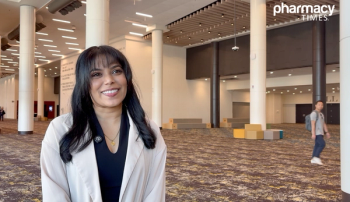
Disha Patel, PharmD, discusses current data on G-CSF use during HiDAC consolidation for AML, addressing relapse concerns, infection risk, clinical decision-making, and why practice patterns remain divided across institutions.
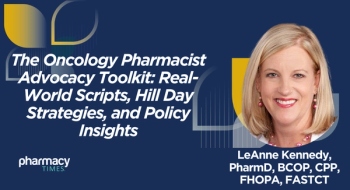
LeAnne Kennedy, PharmD, BCOP, CPP, FHOPA, FASTCT, discusses the importance of advocacy for oncology pharmacists in both patient care and professional recognition. She highlights practical ways pharmacists can advocate—such as refining an elevator pitch, participating in virtual Hill Days, and partnering with professional organizations such as ASHP and HOPA.

Oncology pharmacists can advocate and communicate clearly to boost recognition, strengthen care teams, and improve cancer treatment outcomes.

Oncology pharmacists can share advocacy tips, craft elevator pitches, and use virtual Capitol Hill days to boost patient access and cancer care.

LeAnne Kennedy, PharmD, BCOP, CPP, FHOPA, FASTCT, discusses the collaborative culture, research opportunities, and leadership pathways that define oncology pharmacy practice at Atrium Health Wake Forest Baptist, while emphasizing the importance of advocacy and visibility for the profession.
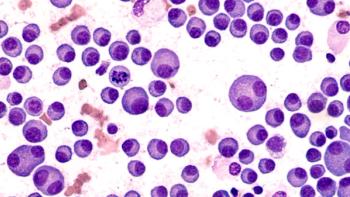
Sundar Jagannath, MD, MBBS, discusses how linvoseltamab’s streamlined step-up dosing and REMS program support broader use in community settings and improved tolerability for older patients.
Pre-treatment DPYD genotyping significantly reduces hospitalizations and costs for patients with cancer, enhancing safety and efficiency in oncology care.

Grace Nguyen, PharmD, BCPS, provides real-world experiences with DPYD genotype-guided fluoropyrimidine dosing, highlighting how pharmacist-led interventions and tailored dose adjustments can help mitigate toxicity risks and optimize treatment in variant carriers.
Don Moore, PharmD, BCPS, BCOP, DPLA, FCCP, FASHP, received a leadership award at the 2025 HOPA Annual Meeting.

Arefa Bacchus, PharmD, shared key insights about the use of POMP therapy in patients with acute lymphoblastic leukemia (ALL).

Monica Sawiris, PharmD, said there were noticeable differences in toxicities between each regimen.

Jessica Davis, PharmD, BCOP highlights the role of pharmacy technicians in ambulatory oncology clinic settings.

Julia Ziegengeist, PharmD, BCOP offers insights for pharmacists navigating adjuvant and neoadjuvant treatment of breast cancer.

Alexandra Wolff, PharmD, BCOP, FHOPA, was awarded a fellow of HOPA at the 2025 annual meeting.

Michael Arnold, PharmD, discussed the role of oncology pharmacists in enhancing biomarker testing for patients with metastatic colorectal cancer.
Pharmacists identify appropriate patients for new oral and antibody drug conjugate treatments and provide counseling to help patients navigate the evolving treatment landscape.
Donald Moore discusses some of the obstacles that bispecific antibodies have faced in community cancer centers, including misconceptions coupled with a prevalent toxicity profile.
Jai N. Patel, PharmD, BCOP, CPP, discussed efforts to standardize the evaluation of clinical utility in pharmacogenetics, emphasizing its variability, the role of pharmacogenomics in research, and the importance of robust study designs for pharmacy professionals.
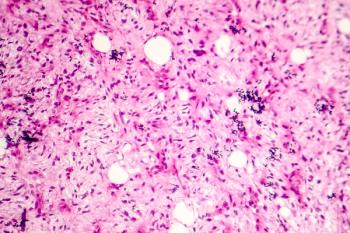
Brigimadlin is a new oral MDM2-p53 antagonist under investigation as a potential first-line therapy to improve outcomes for patients with advanced or metastatic dedifferentiated liposarcoma.

HER2-mutant NSCLC is associated with poor prognosis. Zongertinib and BAY 2927088 are HER2 tyrosine kinase inhibitors that have activity in NSCLC with manageable toxicity profiles.