

Real-world data reveal that moderate to severe depression is linked to poor control and adherence, and women are more likely to be impacted.
Real-world data reveal that moderate to severe depression is linked to poor control and adherence, and women are more likely to be impacted.
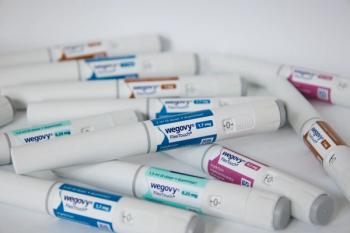
GLP-1 receptor agonists may reduce asthma flare-ups in nondiabetic adults with obesity, hinting at anti-inflammatory benefits.

Hemophilia management is shifting from traditional intravenous therapies toward subcutaneous agents.

MS care shifts to smoldering progression and biomarkers; learn how pharmacists guide DMT choices, monitoring, and emerging BTK inhibitor therapy.

Emerging data support less intensive antithrombotic strategies for LVADs that could reduce bleeding complications without compromising thromboembolic protection.
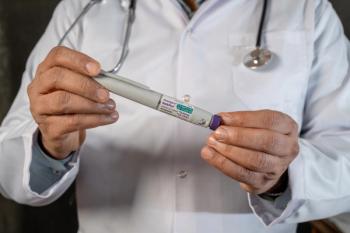
Rapid insulin discontinuation occurred with tirzepatide 2.5 mg weekly in long-standing type 2 diabetes, demonstrating a low-dose responder phenotype and pharmacist-led CGM-guided deprescribing.

Clinical pharmacists Andrew Willeford and Laura Velazquez explore the paradigm shift in oHCM management, highlighting best practices for pharmacist-led clinical workflows in health-system practice.

Emerging evidence supports the use of psilocybin in palliative care, yet Schedule I status uniquely limits access outside of clinical trials in the US.

Recent randomized trials and CDC guidance support doxycycline postexposure prophylaxis as a targeted strategy to reduce bacterial STIs in high-risk populations.

Hirsch shows how mentorship and networks shape a pharmacist-scientist, driving infectious disease research and fosfomycin breakthroughs.

See how pharmacists turn pharmacogenomic results into safer prescribing—overcoming reimbursement, EHR, and equity barriers to scale testing in community pharmacies.

This review examines evidence on changes in muscle mass with incretin-based therapies and focuses on current and emerging strategies to preserve and enhance skeletal muscle mass.

University of Arizona pharmacy interns who received mentorship and engaged in pharmacist-level tasks report greater satisfaction and perceived professional readiness, highlighting a need to restructure internships as longitudinal, competency-based experiences.

Pharmacists guide evidence-based medication care as AI, regulation shifts, and new therapies rise.


Peptide compounders face rising scrutiny as regulators and lawsuits zero in on adherence to established compounding standards.