

Lessons learned from interprofessional spiritual training and the evolving role of palliative care pharmacists toward an integrated and patient-centric health care system.
Lessons learned from interprofessional spiritual training and the evolving role of palliative care pharmacists toward an integrated and patient-centric health care system.

Oncology pharmacists and the pharmaceutical industry can enhance patient care through improved support, education, and access to innovative treatments.
A technician-driven workflow implemented in a health system’s specialty pharmacy reduced high-cost oncology drug waste.

Pharmacy technicians enhance safety and efficiency in hazardous drug compounding.

The rise of intravesical therapies in non–muscle invasive bladder cancer underscores the vital role of pharmacists in advancing patient care.
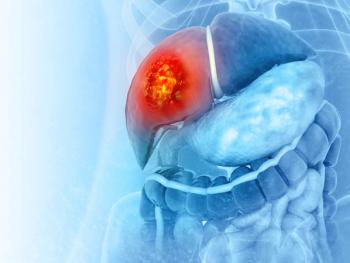
This review examines the mechanisms of therapy, summarizes the existing literature, and highlights the evolving treatment options for unresectable hepatocellular carcinoma.

Biosimilars are set to revolutionize oncology by enhancing access and affordability while maintaining safety and efficacy.
ctDNA analysis revolutionizes cancer treatment by predicting responses, detecting resistance, and monitoring minimal residual disease in patients.
Second-line and later treatment options for synovial sarcoma are limited. Afamitresgene autoleucel is the first FDA-approved T-cell receptor therapy, demonstrating long-lasting responses and tolerable adverse effects in pretreated patients.
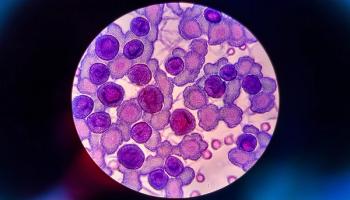
Belantamab mafodotin reenters clinical practice after FDA reapproval, signaling new potential for difficult-to-treat myeloma.

Project Optimus transforms cancer treatment by optimizing dosing strategies, enhancing efficacy, and reducing toxicities in modern therapies.


Oncology pharmacy evolves rapidly, emphasizing the need for pharmacists to stay informed and reflect on personal growth for better patient care.