

Naveen Mansukhani, BPharm, discussed skyrocketing prices for specialty drugs and what is driving those increases.
Naveen Mansukhani, BPharm, discussed skyrocketing prices for specialty drugs and what is driving those increases.

Fran Gregory, PharmD, MBA, vice president of Emerging Therapies at Cardinal Health, discussed the biosimilars landscape and where biosimilars fall in the process of pharmacy and medical benefit adoption.

Balancing clinicians’ priorities with the needs of patients and their families is crucial to ensure access and adherence to medications.

Cephalosporin treatment is a risk factor of Clostridioides difficile infection.

Screening tools are becoming widely used to help clinicians address the needs of patients with diabetes to improve health outcomes.
The final approval was based on efficacy and safety data from the phase 3 REST-ON study.

Molidustat oral suspension is also the first approval for cats under the FDA’s expanded conditional approval pathway.
Relative risk of cancer-related death differed according to age of diagnosis.

Pharmacists play key roles in navigating prior authorizations and other limits on utilization, as well as educating and listening to patients and caregivers.

Nearly 18-times more patients on trizepatide 15 mg achieved a body weight reduction of 15% or more compared to placebo.

Key topics in May include mental illness for pharmacists, pharmacy technicians, and PharmD candidates.

Session at the 2023 Asembia Summit notes that pharmacists play a particularly important role in the large multidisciplinary care team needed for Rett syndrome management.

Issues highlighted in May include mental illness as well as asthma and allergies.
The BCG vaccine was more likely to cause symptomatic or severe COVID-19 in patients that had a preexisting condition, such as heart disease, by 6 months.

Given the increasing value of patient satisfaction in determining the quality of care in the hospital reimbursement model, research is flourishing with a focus on identifying the factors that could positively influence patient satisfaction outcomes.

The flexible 1- and 2-month dosing intervals of risperidone could help address adherence challenges common with schizophrenia treatments.

Study shows intramuscular injection may improve treatment success by increasing the speed of drug absorption.

Investigators suggest that a checklist completed by physicians and family members of individuals with severe acute brain injury may improve management needs.
Analysis shows that the ratio of neutralizing antibody geometric mean titers in adolescents compared with young adults was 1.5 after vaccination with NVX-CoV2373.

The willingness of biology labs to evolve has been essential to the incredible rise of biologic drugs.
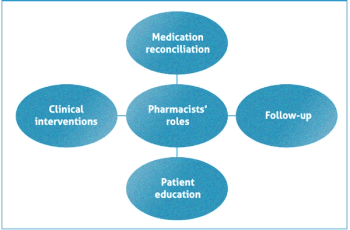
Clinical interventions, follow-ups, medication reconciliation, patient education are key aspects of the programs.
The formulation in 960 mg and 720 mg prefilled syringes delivers sustained plasma concentrations comparable to those demonstrated in studies with Abilify Maintena.

Proposed rules would permit a telehealth provider to prescribe only up to a 30-day supply of a Schedule III-V non-narcotic controlled substance or buprenorphine through telehealth without the patient first being evaluated in person by a provider.

Pharmacists answer questions about blood pressure and antidepressant use during pregnancy.

Nearly 84% of hospitals are working to prevent and mitigate burnout, with increased support and programs for individual wellness and resilience practices.
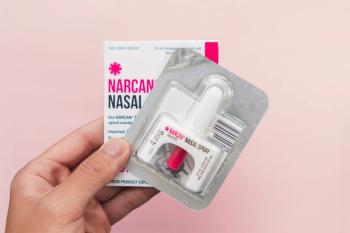
To eliminate the existing stigma in the community, addiction must be recognized as a treatable condition rather than an immoral act.

Patient: Is my medication ready?

Risk of incident diabetes was markedly higher among males and in those with more severe COVID-19.
Prevnar 20 is a next-generation pneumococcal conjugate vaccine that includes capsular polysaccharide conjugates for the 13 serotypes already included in Prevnar 13.
The APPOINT-PNH study showed that twice-daily LNP023 (Iptacopan) helped patients with paroxysmal nocturnal hemoglobinuria control intravascular hemolysis.