
Nivolumab is the only PD-1 inhibitor to show statistically significant and clinically meaningful benefits in non-small cell lung cancer compared with chemotherapy.
Nivolumab is the only PD-1 inhibitor to show statistically significant and clinically meaningful benefits in non-small cell lung cancer compared with chemotherapy.

The treatment aims to reduce prolonged QTc interval in patients with long QT syndrome.

High cholesterol levels are known risk factors for atherosclerotic cardiovascular disease.

The new screening test provides an easier, convenient option for patients seeking to screen themselves for colorectal cancer.

Major biomarkers for cognitive impairment were observed in hospitalized patients with neurological symptoms.

The Inflation Reduction Act's zero cost-sharing policy resulted in significant increases in shingles vaccines dispensed to individuals under Part D, compared with those who are commercially insured.

Currently, standard first-line chemotherapy with or without immunotherapy for patients with non-small-cell lung cancer (NSCLC) with HER2 mutations has limited efficacy.

Poor sleep quality is directly related to mortality risk before adjusting for lifestyle or health-related factors, and dementia was noticeably linked to mortality risk in older White males.

Cholesin, a hormone found in the gut, may enhance the cholesterol-lowering capabilities of statins.

Fedratinib is an orally available, small molecule inhibitor of JAK-2 approved for treatment of myelofibrosis.

By utilizing a lower dose, patients can avoid potential adverse events and high financial burden.

Eculizumab (Soliris; Alexion), a C5 inhibitor preventing cleavage into C5a and C5b, is widely considered the first-line therapy for high-risk TA-TMA.

Currently, Danon disease has a poor prognosis and does not have any pharmaceutical therapeutics for treatment or management.
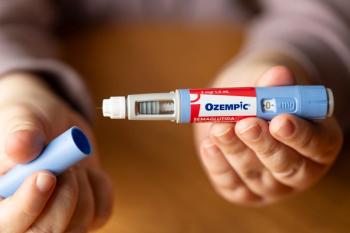
As of now, data suggest minimal risk of drug interactions between oral contraceptives and injectable semaglutide.

As American Pharmacists Month begins, Alan Corley talks the importance of pharmacists and the value of the profession personally and to the overall community.

In a phase 1 trial, the nicotine replacement therapy (NRT) demonstrated a higher mean maximum plasma concentration was achieved faster than with an existing inhaled NRT.

In May 2024, the first biosimilars for aflibercept were approved, which included aflibercept-jbvf (Yesafili; Biocon Biologics), known as MYL-1701P.

Pharmacists and health care providers can counsel around vitamin D supplements and natural intake to increase a child’s vitamin D consumption.

Currently, VLS-1488 is being evaluated in a phase 1/2 trial (NCT05902988) in various advanced tumors, including high-grade serous ovarian cancer (HGSOC).

The findings may offer patients treatment options beyond symptom palliation.

Lowering prescription drug costs for patients, saving taxpayers money, helping small businesses level an anti-competitive playing field: all of this is at stake.

The designation was based on results from the DESTINY-Breast06 trial, evaluating fam-trastuzumab deruxtecan-nxki (Enhertu; AstraZeneca, Daiichi Sankyo) compared with chemotherapy.

The benefits of the daratumumab-based regimen were seen in all patients, including those with high and standard cytogenic risk levels.
The findings support current recommendations for pregnant individuals or those who might become pregnant during the influenza season, specifically those with successive pregnancies.
Positive trial results laid the groundwork for the designation.

Patients exhibited improved disease-free progression with minimal adverse effects.
The weight loss drug continues to show promise in treating a variety of other conditions.
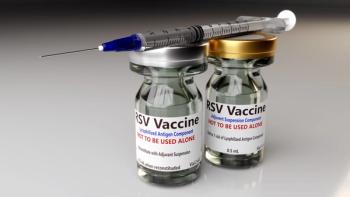
RSV vaccination could be cost-effective among adults 60 years and older, with the ability to decrease vaccine costs and sustain efficacy.

Navenibart was developed to aid treatment of hereditary angioedema (HAE) to provide swift and sustained HAE attack prevention through administration every 3 to 6 months.

Treatment for primary coenzyme Q10 (CoQ10) deficiency can include high-dose oral CoQ10 supplementation, but not all patients respond to this treatment.