
Combining tramadol with CYP2D6-inhibiting antidepressants raises seizure risk in older adults, highlighting the need for careful medication management.
Combining tramadol with CYP2D6-inhibiting antidepressants raises seizure risk in older adults, highlighting the need for careful medication management.

Ron Lanton advises pharmacies to maintain compliance, explore contingency options, and stay engaged with policymakers during the government shutdown.

Repetitive DNA mimics pathogens, influencing cancer immunity and immunotherapy.

Research reveals that poor glycemic control in adolescents with type 1 diabetes significantly increases the risk of developing neuropathy in adulthood.

Tramadol provides only limited pain relief while carrying a significant risk of serious adverse effects.

Hallucinatory affects associated with psychedelic drugs and Lewy body diseases may have some commonalities.

Discover how supplements support women's health during menopause, enhancing well-being and easing symptoms effectively.

GLP-1 receptor agonists significantly influence FDG-PET-CT scan interpretations, potentially leading to misdiagnosis in cancer detection.

Many factors lead to policy change and market viability, but none more than perceived need and desire to receive a service.
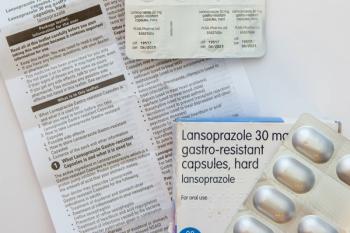
As one of the most prescribed medications worldwide, proton pump inhibitor use could serve as a bulwark against severe outcomes in hospitalized adults with COVID-19.

Pharmaceutical companies navigate FDA regulations and explore AI solutions to enhance compliance in drug advertising and enforcement.

Niraparib combined with standard therapy significantly improves progression-free survival in men with HRR-deficient metastatic castration-sensitive prostate cancer.

Researchers explore continuous glucose monitors (CGMs) for early detection of insulin issues, aiming to prevent diabetes progression and improve screening methods.

Cemiplimab's approval is supported by findings from the C-POST clinical trial.

New research confirms that calcium supplements do not increase dementia risk in older women, supporting their use for bone health without cognitive concerns.

Medicaid expansion enhances 5-year cancer survival rates in rural and high-poverty areas, highlighting the importance of financial support for better health outcomes.
This is the first pediatric FDA approval for golimumab, according to the manufacturer.

Aumolertinib and osimertinib show similar efficacy and safety when treating patients with EGFR-mutant non–small cell lung cancer (NSCLC), providing valuable insights for treatment optimization.

A retrospective analysis found no associations between lipid parameters and the success of blood stem cell mobilization in a cohort of healthy donors.

Christian Ruff, MD, highlights pharmacists as essential clinical partners who help optimize drug selection, dosing, and safety for patients with complex needs.

Frail patients with multiple myeloma (MM) can safely reduce dexamethasone use, enhancing treatment outcomes without increasing infection risks.

Cagrilintide shows significant weight loss in adults with obesity, marking a breakthrough in obesity treatment with promising phase 3 trial results.

The FDA approves nerandomilast, the first new treatment for idiopathic pulmonary fibrosis in over a decade, offering renewed hope for patients.
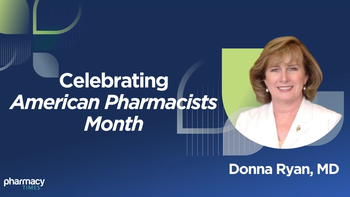
Pharmacists’ accessibility and expertise make them essential allies for patients managing weight through medication, Donna Ryan explains.

Vaccination with 23-valent pneumococcal polysaccharide vaccine did not reduce the rates of acute coronary syndrome and ischemic stroke in a randomized clinical trial.

Craig Beavers discusses recent developments in hypertension management and the clinical implications of the Bax Hypertension and KARDIA-3 trials with Shelby Tungate from the UNC Eshelman School of Pharmacy.

BMS-986446 shows promise as a fast-tracked therapy for early Alzheimer disease, targeting tau protein to alter disease progression.