
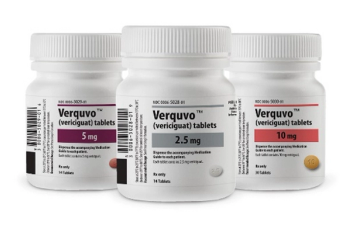
Verquvo is a soluble guanylate cyclase stimulator indicated to reduce the risk of cardiovascular death and heart failure.
Verquvo is a soluble guanylate cyclase stimulator indicated to reduce the risk of cardiovascular death and heart failure.

COVID-19 may change how stress for women in the pharmacy profession is viewed.

An overview of the four main types of allergies.

Macrolide resistance varied by US region but was greater than 25% in most areas and 39.5% overall.

Lauren C. Pinter-Brown, MD, FACP, of UCI Health and Chao Family Comprehensive Cancer Center, explained whether the current advanced cutaneous T cell lymphoma (CTCL) treatment strategies available are applicable for all patients with advanced CTCL and how patients are selected for treatment.
The results of 3 phase 3 trials showed that the drug offered greater proportions of individuals with the condition who met the endpoints of clinical remission and endoscopic response.

With the recent announcement of federal COVID-19 vaccine mandates, in addition to private businesses potentially requiring vaccines for employees, pharmacies and other health care facilities could have questions about legal issues surrounding these mandates.

This month's featured products include desipramine hydrochloride tablets, fingolimod capsules, and more.

Lauren C. Pinter-Brown, MD, FACP, of UCI Health and Chao Family Comprehensive Cancer Center, described what advanced cutaneous T cell lymphoma is in terms of classification and what current treatment approaches are available.

Trial results showed a 24% confirmed objective response rate with a median duration of response of 8.3 months among patients with cervical cancer who received tisotumab vedotin-tftv.

Relatlimab is the first LAG-3-blocking antibody to demonstrate a clinical benefit for patients with melanoma in phase 3 data.

In The Legal Prescription series with Ned Milenkovich, we discuss a set of important topics in the pharmacy landscape.
Phase 3 trial results show that the drug reduced the risk of death or reoccurrence by 35% for individuals with high-risk disease compared with the placebo.

The Pharmacy Times® Pharmacy Focus podcast provides the latest industry news and information, thought-leader insights, clinical updates, patient counseling tools, and innovative solutions for the everyday practice and business of pharmacy.

Nearly 94.1% of individuals treated with the drug in the DESTINY-Breast03 study were still alive at the 1-year mark, according to a statement from AstraZeneca.

Stanford research results show that of nearly 39,000 individuals, just 22 had potential allergic reactions, and all recovered.
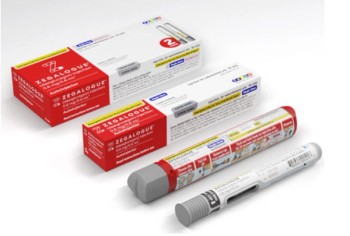
Dasiglucagon increases blood glucose concentration by activating hepatic glucagon receptors, thereby stimulating glycogen breakdown and release of glucose from the liver.

Surgical procedures and weight-loss drugs combat high hypertension in individuals who are obese or overweight, according to the American Heart Association.

New legislation allows community pharmacies to improve medication access in an outpatient setting.

For patients with celiac disease, eating gluten triggers an immune response in the small intestine.

Cisplatin is frequently an effective therapy for pediatric cancer, but it is also known to cause permanent hearing loss in some patients.

The results are the first from a pivotal trial of any COVID-19 vaccine in children under 12 years of age, with results in children under 5 years of age expected as soon as later this year.

In a phase 3 trial, the medication significantly reduced the risk of disease progression compared with individuals in a placebo group.

Sophia Humphreys, PharmD, MHA, said data are continuing to evolve around the safety and recommendations of COVID-19 booster doses, especially for the vaccine from Pfizer and BioNTech.
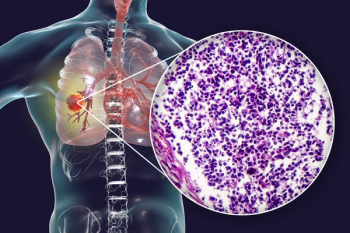
There are 4 essential epidermal growth factor receptor-mutant non-small cell lung cancer subgroups, according to new research results.
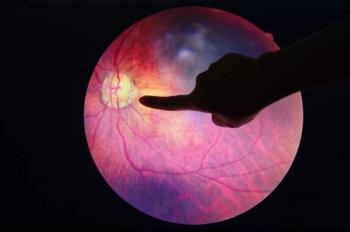
An anti-vascular endothelial growth factor therapy, ranibizumab prevents vision loss in patients with retinal vascular disorders, which can cause irreversible blindness or visual impairments in adults.

Pharmacists will need to make sure they have the necessary personal protective equipment in place to meet increased clinic activity and while keeping an eye on levels of flu vaccines and tests.

REMS are not intended to minimize all harmful effects of a drug, but instead focus on preventing, tracking, and handling a specific serious risk by informing, educating, and/or enforcing measures that reduce the frequency and/or intensity of the event.

Integrating these facilities into the pharmacy supply chain strategy has become key for hospitals during the pandemic.

Gemtesa (vibegron; Urovant Sciences) tablets are approved to treat overactive bladder with symptoms of urge urinary incontinence, urgency, and urinary frequency.