

Study highlights the impressive efficacy of direct-acting antivirals, which have cure rates in the range of 98% in patients with hepatitis C.
Study highlights the impressive efficacy of direct-acting antivirals, which have cure rates in the range of 98% in patients with hepatitis C.
Thomasina Morris, RPh, MHA, BCOP, pharmacist at Moffitt Cancer Center, discusses what oncology pharmacists should understand about rucaparib when treating ovarian cancer.

Implement technology solutions, initiate clinical services, and shift to a proactive mindset, Michele Belcher says.

The commission “Time for United Action on Depression,” authored by 25 experts from 11 countries, seeks to unify global efforts among governments, health care providers, researchers, people living with depression, and their families to improve care and prevention, fill knowledge gaps, and increase awareness.

Help patients get regular checkups and show them how to use BP machines and improve adherence.

Insurers, accountable care organizations, and manufacturers increasingly look for demonstrable clinical outcomes as proof for reimbursement or access to limited distribution networks.

These individuals, who were also more likely to require treatment in the intensive care unit, should get their vaccines and booster shots, investigators say.

Headache disorders most affect the ability to do physical labor, decision-making skills, and memory, investigators from the University of Copenhagen say.

Last month, the FDA approved empagliflozin (Jardiance) to lower the risk of cardiovascular death and hospitalization for heart failure in adult patients.
Supplemental new drug application submitted to the FDA for the approval of darolutamide (Nubeqa) plus docetaxel in patients with metastatic hormone-sensitive prostate cancer.
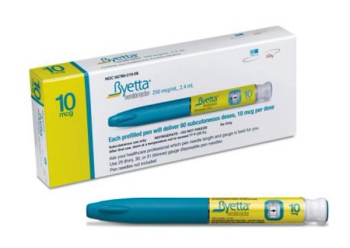
Exenatide (Byetta) is a GLP-1 receptor agonist indicated as an adjunct to diet and exercise to improve glycemic control in adults with type 2 diabetes mellitus
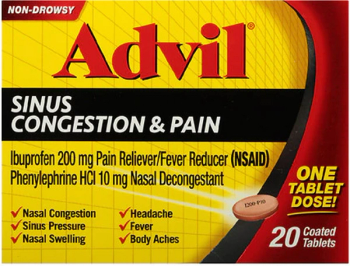
Advil Sinus Congestion & Pain offers temporary relief of the symptoms associated with cold or flu, such as sinus pressure, headache, and fever.

The COVID-19 pandemic highlighted the importance of managing infections properly globally and the need for stewardship networks among partners.

Despite early excitement about the potential for pharmacists to prescribe COVID-19 oral antivirals, the program does not provide that ability.

A patient’s ability to pay for specialty medications will continue to be an issue because drug costs are prohibitive and add barriers to accessibility.

The risk of death from CVD was approximately 15% lower for those with the highest vegetable intake compared to the lowest vegetable intake.
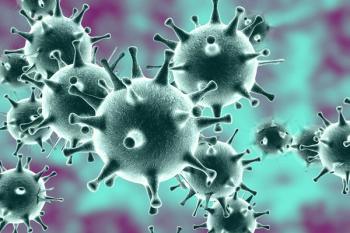
Investigators advise third short for patients with weakened immune system, especially organ transplant recipients.

Although the risks are still, individuals with a history of migraines should be aware of and consult with their physicians, investigators say.

Phase 3 TROPiCS-02 study continues to follow patients for overall survival, a key secondary endpoint.

Pharmacists must understand the value of monitoring changes in quality of life and headache frequency to help facilitate the decision to continue, discontinue, or restart migraine prophylaxis.

Ten quiz questions to assess your knowledge on common treatments for heart failure.
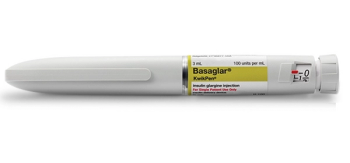
Basaglar is indicated to improve glycemic control in adults and children with type 1 diabetes and adults with type 2 diabetes.
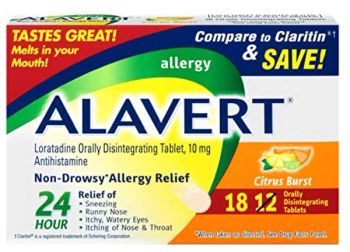
Loratadine (Alavert) is indicated for runny nose, sneezing, itchy and watery eyes, sinus pressure, and nasal congestion.

Epcoritamab is an investigational immunoglobulin G1-bispecific antibody being evaluated as a treatment for patients with follicular lymphoma in multiple clinical trials.
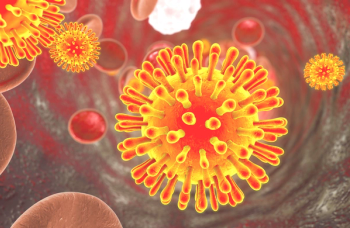
Enhanced tools in the field of structural biology may reveal new insights into HIV that could lead to a vaccine to protect against the virus progessing to AIDS.

Effectiveness is estimated at approximately 91% against any SARS-CoV-2 infection and approximately 85% effective against asymptomatic infection, analysis results show.

Experts David Pope, PharmD, and Christina Madison, PharmD, FCCP, AAHIVP, discussed the Biden Administration's new test-to-treat plan.

Important evidence about the health effects of e-cigarettes can help shape public health best practices in the United States, the findings of an analysis suggest.
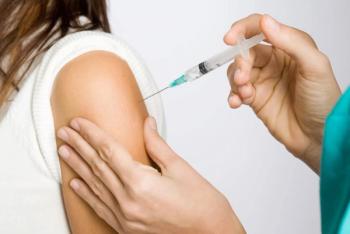
This will increase Moderna’s vaccine catalog to 5, including vaccines against cytomegalovirus (CMV), Epstein-Barr virus (EBV), and HIV, in addition to the immunizations for HSV, and VZV.
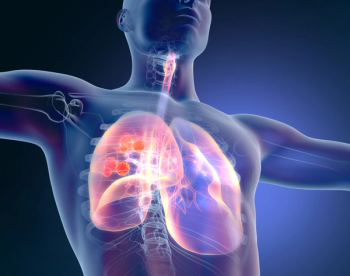
Poziotinib demonstrates positive results for treatment-naïve patients with non-small cell lung cancer harboring HER2 exon 20 insertion mutations.